23 May 2012
by The Hare Krishna Movement
in Bhaktivinoda Thakura, Diksha, Disciplic succession, Gaura-kisora, Guru & Disciple, Siksa
Tags: A.C. Bhaktivedanta Swami Prabhupada, Bhaktivinode Thakur, Dayananda, Dayananda dasa, diksa, diksa guru, Gaura Kisora dasa Babaji Maharaja, Gaura-kisora, letter by Srila Prabhupada, siksa, Siksa guru, Thakur Bhaktivinode

…So far as your second question, Thakura Bhaktivinode was not official Spiritual Master of Gaura Kisora dasa Babaji Maharaja. Gaura Kisora dasa Babaji Maharaja was already renounced order, Paramahamsa, but Thakura Bhaktivinode, while He was even playing the part of a householder, was treated by Gaura Kisora dasa Babaji Maharaja as Preceptor, on account of His highly elevated spiritual understanding, and thus He was always treating Him as His Spiritual Master. The Spiritual Master is divided into two parts; namely, siksa guru and diksa guru. So officially Bhaktivinode Thakura was like siksa guru of Gaura Kisora das Babaji Maharaja.
Letter to: Dayananda
Allston, Mass
1 May, 1969
My Dear Dayananda,
Please accept my blessings. Just yesterday morning I was thinking of you that I did not hear from Dayananda for so many days, and immediately I got your nice letter dated April 25, 1969. You are such a nice soul that you are always thinking of Krishna and becoming more and more purified in Krishna Consciousness. As stated in the Srimad-Bhagavatam, First Canto, Second Chapter, Twenty-Seventh Verse, Krishna is sitting in everyone’s heart and He is purifying one who is Krishna Conscious. The symptoms of advancement in Krishna Consciousness is gradually feeling detached to materialistic way of life. Although you are young man, you have got your nice young wife and child, and by Krishna’s Grace, everything is all right so far as your family is concerned, still you are feeling detached. That is very nice. But when your wife and child all are cooperating in your Krishna Consciousness, there is no hampering in your progress. So keep yourself always in Krishna Consciousness with your family members, raise your children to that standard, and employ your energy for serving Krishna. Then, even though you are in family life, you are as good as sannyasi.
More
22 May 2012
by The Hare Krishna Movement
in Teachings of Queen Kunti
Tags: A.C. Bhaktivedanta Swami Prabhupada, Arjuna, Asvatthama, bhagavad-gita, Bhima, Bhisma, cannibals, Devaki, Draupadi, Drona, Dronacarya, exile in the forest, Karna, Kunti, Lord Krishna, man-eater Hidimba, My devotee is never vanquished, Pandavas, Queen Kunti, sons of Pandu, Srila Prabhupada, Teachings of Queen Kunti

…Here Kuntī remembers all the dangers through which she passed before the Pāṇḍavas regained their kingdom. In Bhagavad-gītā Lord Kṛṣṇa says, kaunteya pratijānīhi na me bhaktaḥ praṇaśyati: “My dear Arjuna, you may declare to the world that My devotee is never vanquished.” The Pāṇḍavas, the sons of Pāṇḍu, were great devotees of Lord Kṛṣṇa, but because people in the material world are interested in material things, the Pāṇḍavas were put into many dangers. Their materialistic uncle Dhṛtarāṣṭra was always planning to kill them and usurp the kingdom for his own sons. That was his policy from the very beginning.
Teachings of Queen Kunti
By His Divine Grace A.C. Bhaktivedanta Swami Prabhupada
Chapter 7
Dangerous Encounters
viṣān mahāgneḥ puruṣāda-darśanād
asat-sabhāyā vana-vāsa-kṛcchrataḥ
mṛdhe mṛdhe ’neka-mahārathāstrato
drauṇy-astrataś cāsma hare ’bhirakṣitāḥ
My dear Kṛṣṇa, Your Lordship has protected us from a poisoned cake, from a great fire, from cannibals, from the vicious assembly, from sufferings during our exile in the forest, and from the battle where great generals fought. And now You have saved us from the weapon of Aśvatthāmā.
—Śrīmad-Bhāgavatam 1.8.24
The list of dangerous encounters is submitted herein. Devakī was once put into difficulty by her envious brother, otherwise she was well. But Kuntīdevī and her sons were put into one difficulty after another for years and years together. They were put into trouble by Duryodhana and his party due to the kingdom, and each and every time the sons of Kuntī were saved by the Lord. Once Bhīma was administered poison in a cake, once they were put into the house made of shellac and set afire, and once Draupadī was dragged out, and attempts were made to insult her by stripping her naked in the vicious assembly of the Kurus. The Lord saved Draupadī by supplying an immeasurable length of cloth, and Duryodhana’s party failed to see her naked. Similarly, when they were exiled in the forest, Bhīma had to fight with the man-eater demon Hiḍimba Rākṣasa, but the Lord saved him. So it was not finished there. After all these tribulations, there was the great Battle of Kurukṣetra, and Arjuna had to meet such great generals as Droṇa, Bhīṣma, and Karṇa, all powerful fighters. And at last, even when everything was done away with, there was the brahmāstra released by the son of Droṇācārya to kill the child within the womb of Uttarā, and so the Lord saved the only surviving descendant of the Kurus, Mahārāja Parīkṣit.
More
20 May 2012
by The Hare Krishna Movement
in A.C. Bhaktivedanta Swami Prabhupada, Chanting Hare Krishna, Journey of Self-Discovery, Meditation, Yoga
Tags: A.C. Bhaktivedanta Swami Prabhupada, chanting Hare Krishna, journey of self-discovery, meditation, meditation through transcendental sound, Srila Prabhupada, yoga

Journey of Self-Discovery
By His Divine Grace A.C. Bhaktivedanta Swami Prabhupada
Chapter 5, Yoga & Meditation
Meditation Through Transcendental Sound
Lecturing at Boston’s Northeastern University in the summer of 1969, Śrīla Prabhupāda introduces a meditation system renowned for its extraordinary power and the fact that it can be easily practiced almost anywhere and at any time. “If you take up this simple process,” he says, “chanting Hare Kṛṣṇa, Hare Kṛṣṇa, Kṛṣṇa Kṛṣṇa, Hare Hare/ Hare Rāma, Hare Rāma, Rāma Rāma Hare Hare, you are immediately elevated to the transcendental platform.” He adds, “No other meditation is possible while you are walking on the street.”
My dear boys and girls, I thank you very much for attending this meeting. We are spreading this Kṛṣṇa consciousness movement because there is a great need of this consciousness throughout the world. And the process is very easy—that is the advantage.
First of all, we must try to understand what the transcendental platform is. As far as our present condition is concerned, we are on various platforms. So we have to first of all stand on the transcendental platform; then there can be a question of transcendental meditation.
In the Third Chapter of Bhagavad-gītā, you’ll find an explanation of the various statuses of conditioned life. The first is the bodily conception of life (indriyāṇi parāṇy āhuḥ). Everyone in this material world is under this bodily concept of life. Someone is thinking, “I am Indian.” You are thinking, “I am American.” Somebody’s thinking, “I am Russian.” Somebody’s thinking he is something else. So everyone is thinking, “I am the body.”
More
19 May 2012
by The Hare Krishna Movement
in Cow Protection, Vegetarian Cooking, Vegetarianism
Tags: animal slaughter, Care For Cows, cow protection, Kurma Rupa dasa, meat-eating, vegetarian, vegetarian cooking, vegetarianism, world food crisis

The Case Against Animal Slaughter
Back to Godhead Magazine 1976, Vol 11, No. 1
From the standpoints of health, economics and ethics, animal slaughter and meat-eating are detrimental to human society.
Health
Although meat is certainly a source of concentrated protein it is a very poor source of other food elements like minerals, vitamins and carbohydrates. In addition, eating flesh from the cow or any other animal is detrimental to the health of human beings for many reasons. For example, if a human, who has a much longer colon than the carnivorous animals, eats flesh, the following problems will ensue:
1. Intestinal bacteria in the long bowel will change from fermentative to putrefactive, thus causing poisons to be absorbed into the bloodstream. These poisons need to be eliminated, so energy is diverted from other essential bodily functions, including thinking.
2. The natural synthesis of vitamin B12 will be inhibited, possibly leading to anemia.
3. Animal toxins will tend to disrupt the proper metabolism of carbohydrates. This can cause diabetes.
4. Nonnutritive substances resulting from the digestion of animal flesh tend to be carcinogenic (cancer-inducing) irritants.
The minimum daily requirement of protein, which nutritional experts calculate to be between seventy and ninety grams, is easily achieved with dairy products and foods from the vegetable kingdom. Protein, is found in ample quantity in milk, cheese, yogurt, whole wheat, corn, many varieties of nuts and beans, and some vegetables. Thus vegetables, fruits, grains and dairy products provide a perfectly balanced diet. Consuming animal flesh, on the other hand, results in excess protein, which produces liver ailments, high blood pressure, and hardening of the arteries.
More
17 May 2012
by The Hare Krishna Movement
in KRSNA The Supreme Personality of Godhead
Tags: A.C. Bhaktivedanta Swami Prabhupada, gopis, Krishna, Krishna's Flute, Krsna The Supreme Personality of Godhead, samadhi, seeing Krsna, Transcendental meditation, Vrndavan forest
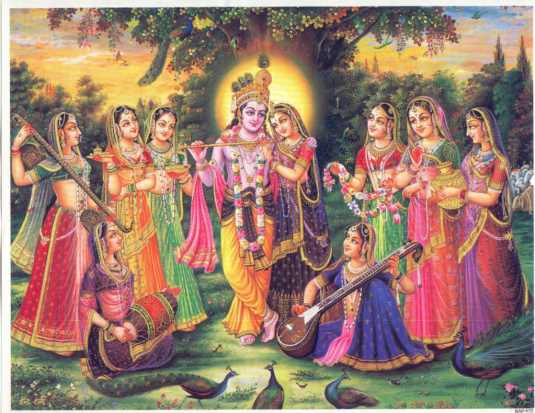
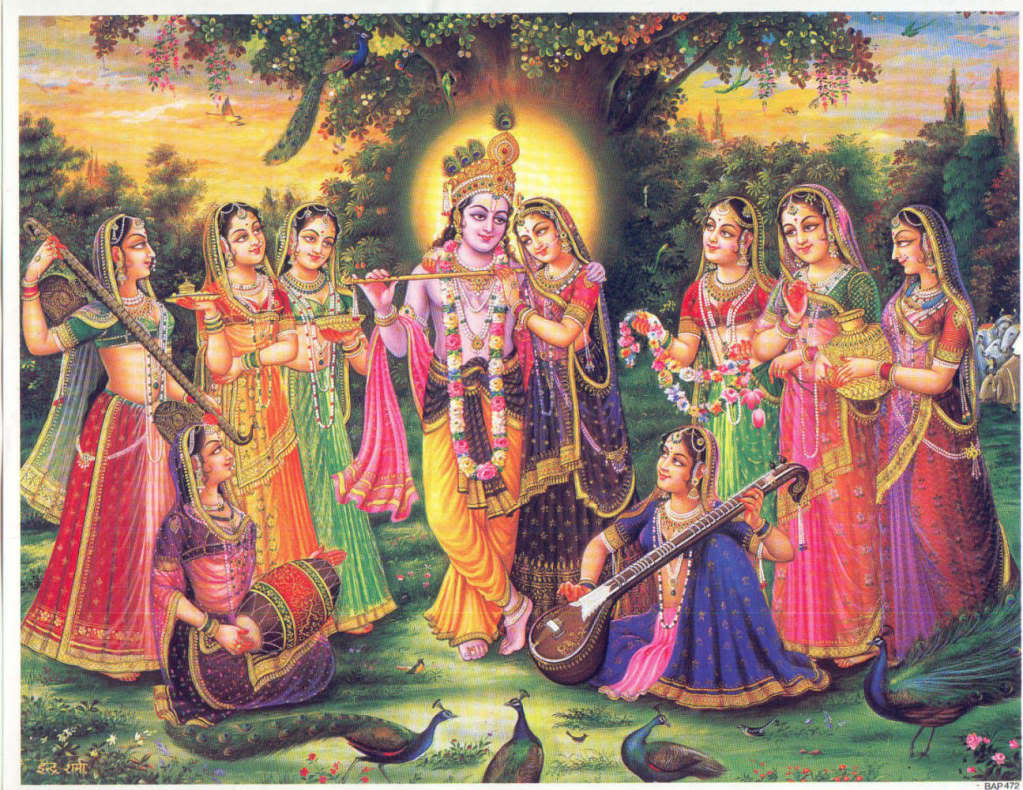
Click on image to enlarge
…Kṛṣṇa was very expert in playing the flute, and the gopīs were captivated by the sound vibration, which was not only attractive to them, but to all living creatures who heard it. One of the gopīs told her friends, ”The highest perfection of the eyes is to see Kṛṣṇa and Balarāma entering the forest and playing Their flutes and tending the cows with Their friends.“
Persons who are constantly engaged in the transcendental meditation of seeing Kṛṣṇa, internally and externally, by thinking of Him playing the flute and entering the Vṛndāvana forest, have really attained the perfection of samādhi.
Kṛṣṇa, the Supreme Personality of Godhead
By His Divine Grace A.C. Bhaktivedanta Swami Prabhupada
Chapter 21
The Gopīs Attracted by the Flute
Kṛṣṇa was very pleased with the atmosphere of the forest where flowers bloomed and bees and drones hummed very jubilantly. While the birds, trees and branches were all looking very happy, Kṛṣṇa, tending the cows, accompanied by Śrī Balarāma and the cowherd boys, began to vibrate His transcendental flute. After hearing the vibration of the flute of Kṛṣṇa, the gopīs in Vṛndāvana remembered Him and began to talk amongst themselves about how nicely Kṛṣṇa was playing His flute. When the gopīs were describing the sweet vibration of Kṛṣṇa’s flute, they also remembered their pastimes with Him; thus their minds became disturbed, and they were unable to describe completely the beautiful vibrations. While discussing the transcendental vibration, they remembered also how Kṛṣṇa dressed, decorated with a peacock feather on His head, just like a dancing actor, and with blue flowers pushed over His ear. His garment glowed yellow-gold, and He was garlanded with a vaijayantī necklace. Dressed in such an attractive way, Kṛṣṇa filled up the holes of His flute with the nectar emanating from His lips. So they remembered Him, entering the forest of Vṛndāvana, which is always glorified by the footprints of Kṛṣṇa and His companions.
More
16 May 2012
by The Hare Krishna Movement
in Karma
Tags: A.C. Bhaktivedanta Swami Prabhupada, action and reaction, as it is, bhagavad-gita, cause and effect, karma, law of karma, Urdhvaga das, yoga philosophy

This begins a new series on Karma (cause and effect) which was compiled by Urdhvaga Prabhu, based on the teachings of the Bhagavad-gita As It Is by His Divine Grace A.C. Bhaktivedanta Swami Prabhupada. Urdhvaga Prabhu has kindly allowed us to reprint it here.
The Law of Karma – cause and effect
Karma is the great law of “cause and effect”, of “action and reaction”, which controls the destiny of all living entities.
This great law functions on the principle, that any action performed produces an equal and opposite reaction, which directly influences our very existence.
Karma, like time and gravity, is a universal principle and every one is effected by its influence. While the law of physics applies to the interaction of material objects only, the law of karma however, applies to any action performed by living entities and governs the interrelations of all living beings. The state laws for example, are grossly observed; but the law of material nature [karma] being subtle to our gross understanding, cannot be experienced grossly or understood by mental speculation.
The law of karma states, that every action performed in life creates another reaction which in turn produces a new counter action. Thus an endless chain of actions and reactions is produced which binds the living entity to his good and bad deeds. This is the way how karma works. It creates an action and another reaction simultaneously and this increases the chain of material activities, keeping the performer in material bondage.
More
15 May 2012
by The Hare Krishna Movement
in Practicing Krishna Consciousness at Home, Sri Caitanya-Caritamrta, The Hare Krishna Movement
Tags: A.C. Bhaktivedanta Swami Prabhupada, brahmana Kurma, chanting Hare Krishna, devotional service at home, Krsnaa consciousness, materialistic way of life, preach the instructions of Krsna, Sri Caitanya Mahaprabhu

Not everyone who joins this Krishna Consciousness Movement need move into a temple or ashram, as the following lessons for the householders confirms.
The real purpose of human life is to attain the spiritual platform and return to Godhead. That is the summum bonum of spiritual realization. The Kṛṣṇa consciousness movement is trying to elevate human society to the perfection of life by pursuing the method described by Śrī Caitanya Mahāprabhu in His advice to the brāhmaṇa Kūrma. That is, one should stay at home, chant the Hare Kṛṣṇa mantra and preach the instructions of Kṛṣṇa as they are given in the Bhagavad-gītā and Śrīmad-Bhāgavatam.
If a devotee follows the instructions of Śrī Caitanya Mahāprabhu, he lives in the company of the Lord. Wherever he lives, he converts that place into Vṛndāvana and Navadvīpa. This means that materialism cannot touch him. This is the secret of success for one advancing in Kṛṣṇa consciousness.
Śrī Caitanya-caritāmṛta
By His Divine Grace A.C. Bhaktivedanta Swami Prabhupada
Madhya-līlā, Chapter 7, Text 128-129
“Instruct everyone to follow the orders of Lord Śrī Kṛṣṇa as they are given in the Bhagavad-gītā and Śrīmad-Bhāgavatam. In this way become a spiritual master and try to liberate everyone in this land.”
PURPORT
This is the sublime mission of the International Society for Krishna Consciousness. Many people come and inquire whether they have to give up family life to join the Society, but that is not our mission. One can remain comfortably in his residence. We simply request everyone to chant the mahā-mantra: Hare Kṛṣṇa, Hare Kṛṣṇa, Kṛṣṇa Kṛṣṇa, Hare Hare Hare Rāma, Hare Rāma, Rāma Rāma, Hare Hare. If one is a little literate and can read the Bhagavad-gītā As It Is and Śrīmad-Bhāgavatam, that is so much the better. These works are now available in an English translation and are done very authoritatively to appeal to all classes of men. Instead of living engrossed in material activities, people throughout the world should take advantage of this movement and chant the Hare Kṛṣṇa mahā-mantra at home with their families. One should also refrain from sinful activities-illicit sex, meat-eating, gambling and intoxication. Out of these four items, illicit sex is very sinful. Every person must get married. Every woman especially must get married. One can also produce many nice preparations to offer Kṛṣṇa-grain, fruit, flowers and milk. Why should one indulge in unnecessary meat-eating and maintain horrible slaughterhouses? What is the use of smoking and drinking tea and coffee? People are already intoxicated by material enjoyment, and if they indulge in further intoxication, what chance is there for self-realization? Similarly, one should not partake in gambling and unnecessarily agitate the mind. The real purpose of human life is to attain the spiritual platform and return to Godhead. That is the summum bonum of spiritual realization. The Kṛṣṇa consciousness movement is trying to elevate human society to the perfection of life by pursuing the method described by Śrī Caitanya Mahāprabhu in His advice to the brāhmaṇa Kūrma. That is, one should stay at home, chant the Hare Kṛṣṇa mantra and preach the instructions of Kṛṣṇa as they are given in the Bhagavad-gītā and Śrīmad-Bhāgavatam.
More
13 May 2012
by The Hare Krishna Movement
in Srimad Bhagavatam
Tags: Mothers Day, Seven Mothers, Srila Prabhupada, Srimad Bhagavatam, sva-matrbhih, the cow, the earth, the nurse, the real mother, the wife of a brahmana, the wife of the king, the wife of the spiritual master

Here in the West Mothers Day is being celebrated; a day to honor our Mothers.
…According to scriptures also, there are seven mothers: (1) the real mother, (2) the wife of the spiritual master, (3) the wife of a brāhmaṇa, (4) the wife of the king, (5) the cow, (6) the nurse, and (7) the earth. All of them are mothers.
Srimad Bhagavatam
By His Divine Grace A.C. Bhaktivedanta Swaim Prabhupada
from Canto 1, Chapter 11, Text 28-
Seven Mothers
praviṣṭas tu gṛhaṁ pitroḥ
pariṣvaktaḥ sva-mātṛbhiḥ
vavande śirasā sapta
devakī-pramukhā mudā
praviṣṭaḥ—after entering; tu—but; gṛham—houses; pitroḥ—of the father; pariṣvaktaḥ—embraced; sva-mātṛbhiḥ—by His own mothers; vavande—offered obeisances; śirasā—His head; sapta—seven; devakī—Devakī; pramukhā—headed by; mudā—gladly.
After entering the house of His father, He was embraced by the mothers present, and the Lord offered His obeisances unto them by placing His head at their feet. The mothers were headed by Devakī [His real mother].
It appears that Vasudeva, the father of Lord Kṛṣṇa, had completely separate residential quarters where he lived with his eighteen wives, out of whom Śrīmatī Devakī is the real mother of Lord Kṛṣṇa. But in spite of this, all other stepmothers were equally affectionate to Him, as will be evident from the following verse. Lord Kṛṣṇa also did not distinguish His real mother from His stepmothers, and He equally offered His obeisances unto all the wives of Vasudeva present on the occasion. According to scriptures also, there are seven mothers: (1) the real mother, (2) the wife of the spiritual master, (3) the wife of a brāhmaṇa, (4) the wife of the king, (5) the cow, (6) the nurse, and (7) the earth. All of them are mothers. Even by this injunction of the śāstras, the stepmother, who is the wife of the father, is also as good as the mother because the father is also one of the spiritual masters. Lord Kṛṣṇa, the Lord of the universe, plays the part of an ideal son just to teach others how to treat their stepmothers.
More
12 May 2012
by The Hare Krishna Movement
in Nectar of Devotion
Tags: A.C. Bhaktivedanta Swami Prabhupada, causeless mercy, conditioned soul, core of his heart, devotee, Hanuman, kingdom of God, liberated, material existence means suffering, Nectar of Devotion, offering You respectful obeisances, Rama, Srila Prabhupada, suffering the resultant actions of his past misdeeds, Techniques of Hearing and Remembering
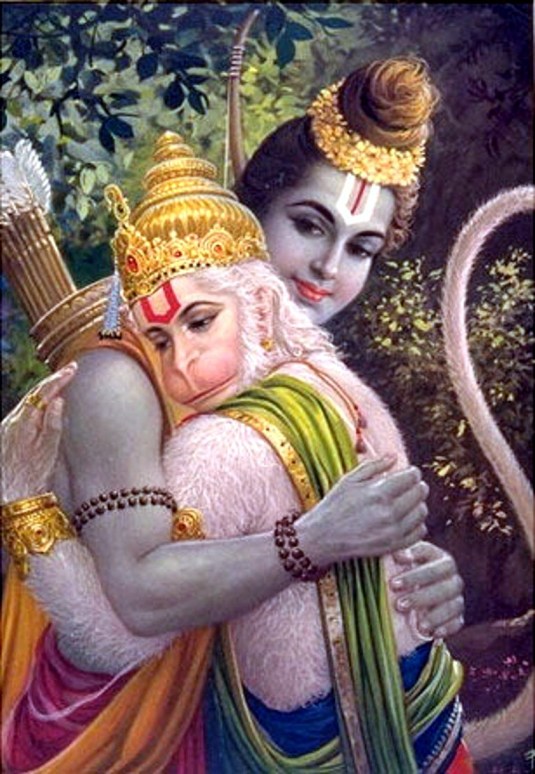
“In the Tenth Canto, Fourteenth Chapter, verse 8, it is said, “My dear Lord, any person who is constantly awaiting Your causeless mercy to be bestowed upon him, and who goes on suffering the resultant actions of his past misdeeds, offering You respectful obeisances from the core of his heart, is surely eligible to become liberated, for it has become his rightful claim.”
This statement of Srimad-Bhagavatam should be the guide of all devotees. A devotee should not expect immediate relief from the reactions of his past misdeeds. No conditioned soul is free from such reactionary experiences, because material existence means continued suffering or enjoying of past activities. If one has finished his material activities then there is no more birth. This is possible only when one begins Krsna conscious activities, because such activities do not produce reaction. Therefore, as soon as one becomes perfect in Krsna conscious activities, he is not going to take birth again in this material world. A devotee who is not perfectly freed from the resultant actions should therefore continue to act in Krsna consciousness seriously, even though there may be so many impediments. When such impediments arise he should simply think of Krsna and expect His mercy. That is the only solace. If the devotee passes his days in that spirit, it is certain that he is going to be promoted to the abode of the Lord. By such activities, he earns his claim to enter into the kingdom of God.”
Full Chapter More
11 May 2012
by The Hare Krishna Movement
in Jahanva devi, Krsna Culture in Music, Sriman George Harrison, The Hare Krishna Movement
Tags: Allen Ginsburg, anti-war peaceniks, Beatnik poetry, Bob Dylan, chanting, cultural fabric, dancing peace and self-realization, East-Village, eastern arts, Grateful Dead, Hair, Hare Krsna theme, hippy rock, krsna consciousness, Krsna mucic, mantra music, Mantra Rock, psychedelia, Srila Prabhupada, Sriman George Harrison, Tompkins Square Park
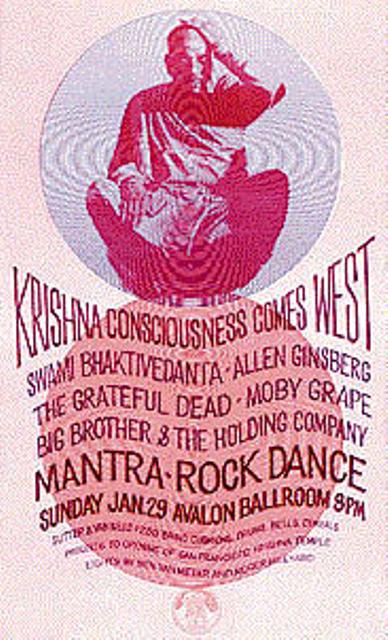
Krsna Culture in Music
By: Jahanva devi
May 10, 2012 — CANADA (SUN)
Reprising a 2006 Sun series on the cultural impact of Krsna Consciousness on the western music scene.
Shortly after Srila Prabhupada’s arrival in the West a most astonishing phenomenon took place in the world of music. In the United States, Europe, South America and elsewhere on the planet, the Holy Name of Krsna manifested in musical offerings by devotees and non-devotees alike.
Without question, the Beatles’ interest in Krsna Consciousness helped to spark this revolution. But it was also the presence of the devotees, who brought Lord Caitanya’s Sankirtana mission to towns and villages on every continent, that caused this Krsna Conscious musical proliferation to occur.
By the early 1970’s, many records had been released that included song titles or lyrics featuring Sri Krsna or the Maha-mantra. These records manifested in all genres of music, from classical to jazz, blues, folk, pop, rock, and psychedelia. There were even releases of Beatnik poetry and comedy that played on the Hare Krsna theme.
Many of those who became followers of Srila Prabhupada in the 1960’s had connections to the counterculture movement. The counterculture comprised not only the hippies, but also the beatniks who preceded them, the yippies, and the anti-war peaceniks. The Krsna Consciousness movement was comprised of elements that were a common denominator amongst all these groups: sharing love and food, chanting, dancing, advocating peace and self-realization, and delving into the mysteries of the ancient eastern arts.
Personalities like Allen Ginsberg and George Harrison kept popping up in the popular media, and their association with Srila Prabhupada’s movement created important visibility for the Hare Krsna explosion. The devotees also gained attention by showing up at counterculture events, peace gatherings, be-in’s, and musical events that showcased personalities who are now famously associated with that era. Even Muhammad Ali shared the spotlight with Srila Prabhupada, at an anti-war peace concert Ali organized.
In retrospect, we find one very important common denominator, seen throughout this unique historical collection of artifacts. That is, that no matter when or where Srila Prabhupada and his Krsna devotees appeared, the mood and message was always the same — it was kirtan, bhajan, harinama sankirtana in the mood of Prabhupada and the Sampradaya Acaryas. No matter what sort of music was going on all around them, the devotees steadfastly preserved Srila Prabhupada’s mood in sharing our Krsna Conscious culture. Srila Prabhupada delivered the transcendental sound vibration of the Hare Krsna Maha-mantra purely and sweetly, and his disciples followed suit.
More
11 May 2012
by The Hare Krishna Movement
in Meditation
Tags: A.C. Bhaktivedanta Swami Prabhupada, executing devotion service, krsna consciousness, meditation, meditation on devotional service, meditation on the form of Visnu, meditation on the transcendental quality of the Lord, Nectar of Devotion, Puranas, Supreme Personality of Godhead

Meditation means to engage the mind in thinking of the form of the Lord, of the qualities of the Lord, of the activities of the Lord and of the service of the Lord. Meditation does not mean anything impersonal or void. According to Vedic literature, meditation is always on the form of Viṣṇu.
The Nectar of Devotion 1970 Edition
By His Divine Grace A.C. Bhaktivedanta Swami Prabhupada
Chapter 10 “Techniques of Hearing and Memorizing”
In the Nṛsiṁha Purāṇa there is a statement about meditation on the form of the Lord. It is said there: “Meditation focusing on the lotus feet of the Supreme Personality of Godhead has been accepted as transcendental and beyond the experience of material pain and pleasure. By such meditation even one who is grossly miscreant can be delivered from the sinful reactions of his life.”
In the Viṣṇu-dharma there is a statement about meditation on the transcendental quality of the Lord. It is said, “Persons who are constantly engaged in Kṛṣṇa consciousness, and who remember the transcendental qualities of the Lord, become free from all reactions to sinful activities, and after being so cleansed they become fit to enter into the kingdom of God.” In other words, no one can enter into the kingdom of God without being freed from all sinful reactions. Sinful reactions can be avoided simply by remembering the form, qualities, pastimes, etc., of the Lord.
In the Padma Purāṇa there is a statement about remembering the activities of the Lord: “A person who is always engaged in meditation on the sweet pastimes and wonderful activities of the Lord surely becomes freed from all material contamination.”
Meditation on Executing Devotional Service More
09 May 2012
by The Hare Krishna Movement
in Narada-bhakti-sutra
Tags: A.C. Bhaktivedanta Swami Prabhupada, devotional service, Krsna, Narada, Narada-bhakti-sutra, regulative devotional service, religious rituals, renunciation, service to Krishna, social custom, transcendental loving service, Vedic injunction
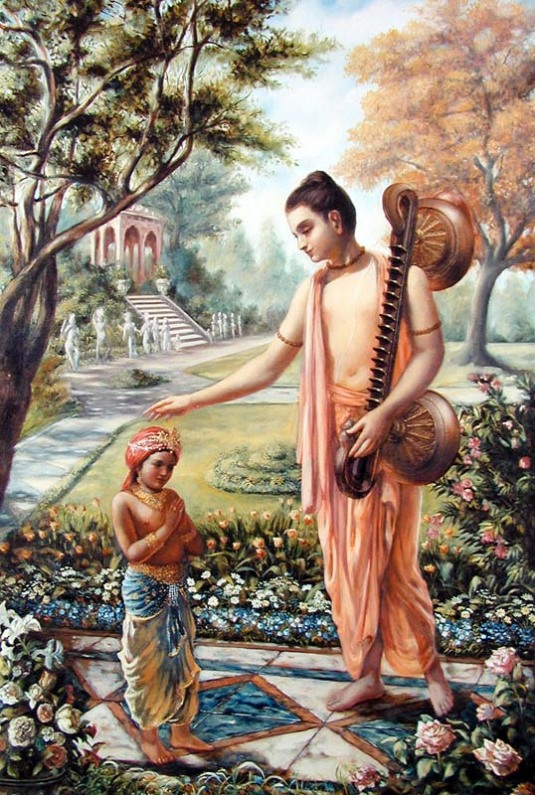
Narada-bhakti-sutra
By His Divine Grace A. C. Bhaktivedanta Swami Prabhupāda
TEXT 8
nirodhas tu loka-veda-vyāpāra-nyāsaḥ
nirodhaḥ—renunciation; tu—moreover; loka—of social custom; veda—and of the revealed scripture; vyāpāra—of the engagements; nyāsa—renunciation.
TRANSLATION
Such renunciation in devotional service means to give up all kinds of social customs and religious rituals governed by Vedic injunction.
PURPORT
In a verse in the Lalita-mādhava (5.2), Śrīla Rūpa Gosvāmī describes renunciation in devotional service:
ṛddhā siddhi-vraja-vijayitā satya-dharmā samādhir
brahmānando gurur api camatkārayaty eva tāvat
yāvat premṇāṁ madhu-ripu-vaśīkāra-siddhauṣadhīnāṁ
gandho ’py antaḥ-karaṇa-saraṇī-pānthatāṁ na prayāti
“Activities such as mystic trance, becoming one with the Supreme, and the religious principles of brahminism, such as speaking the truth and tolerance, have their own respective attractions, but when one becomes captivated by love of Kṛṣṇa, the Supreme Personality of Godhead, all attraction for mystic power, monistic pleasure, and mundane religious principles becomes insignificant.”
In other words, by discharging pure devotional service one attains the highest stage of love of Godhead and is freed from all other obligations, such as those mentioned in the karma-kāṇḍa, jñāna-kāṇḍa, and yoga-kāṇḍa sections of the Vedas. One who engages in pure devotional service has no desire to improve himself—except in the service of the Lord. In such devotional service there cannot be any worship of the impersonal or localized features of the Supreme Lord. The devotee simply performs activities that satisfy the Supreme Personality of Godhead and thus attains pure love for the Lord.
More
08 May 2012
by The Hare Krishna Movement
in Quotes by Srila Prabhupada
Tags: Book Distribution, BTG magizines, Iskcon, preaching movement, restrictive regulations, sankirtan, Srila Prabhupada books, taking Sankirtan Party to the streets
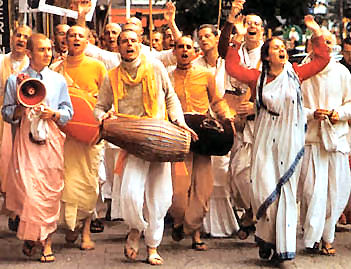
As each and every ISKCON Center is my life and soul for preaching this movement, I hope you are doing your best to conduct the regular routine duties of the Temple — chanting regularly the beads, observing the restrictive regulations, taking Sankirtana Party to the streets, and selling our magazines and books. (Los Angeles 4 May, 1970)
Pasted from; Iskcon Times
08 May 2012
by The Hare Krishna Movement
in Devotional Service
Tags: A.C. Bhaktivedanta Swami Prabhupada, Akura, arcanam, Arjuna, atma-nivedanam, Bali Maharaja, dasyam, goddess of fortune, Hanuman, kirtanam, Laxmi, pada-sevanam, Pariksit Maharaja, Prahlada Maharaja, Prthu Maharaja, sakhyam, SB 7.5.23-24, sravanam, Srimad Bhagavatam, Sukadeva Goswami, vandanam, visnu smaranam

“Parīkṣit Mahārāja attained salvation simply by hearing, and Śukadeva Gosvāmī attained salvation simply by chanting. Prahlāda Mahārāja attained salvation by remembering the Lord. The goddess of fortune, Lakṣmīdevī, attained perfection by worshiping the Lord’s lotus feet. Pṛthu Mahārāja attained salvation by worshiping the Deity of the Lord. Akrūra attained salvation by offering prayers, Hanumān by rendering service, Arjuna by establishing friendship with the Lord, and Bali Mahārāja by offering everything to the service of the Lord.”
The Nine Processes of Devotional Service
They are described by Prahlada Maharaja in the 7th Canto of the Srimad Bhagavatam as follows:
To hear about Sri Visnu’s transcendental name, His form, His characteristics, His possessions and His pastimes and to hear and chant about His pastimes, to remember them, to serve the lotus feet of the Lord, to respectfully offer service to the Lord, to offer prayers to the Lord, to become His servant, to consider the Lord one’s best friend and to offer Him everything-these nine processes are recognized as pure devotional service.
1. HEARING (sravanam) Maharaja Pariksit(the last seven days of his life, he constantly heard the Srimad Bhagavatam).
2. CHANTING (kirtanam) Sukadeva Goswami(spoke the Bhagavatam to Maharaja Pariksit)
More
05 May 2012
by The Hare Krishna Movement
in Srimad Bhagavatam
Tags: A.C. Bhaktivedanta Swami, Absolute Truth, Bhaktivedanta purports, Krishna, Srila Prabhupada, Srimad Bhagavatam, The Supreme Personality of Godhead

…Forgetting Kṛṣṇa, we have created so many objects of questions and answers, but none of them are able to give us complete satisfaction. All things—but Kṛṣṇa—give temporary satisfaction only, so if we are to have complete satisfaction we must take to the questions and answers about Kṛṣṇa. We cannot live for a moment without being questioned or without giving answers. Because the Śrīmad-Bhāgavatam deals with questions and answers that are related to Kṛṣṇa, we can derive the highest satisfaction only by reading and hearing this transcendental literature.
Srimad Bhagavatam
By His Divine Grace A.C. Bhaktivedanta
Canto 1, Chapter 2, Text 5
munayaḥ sādhu pṛṣṭo ’haṁ
bhavadbhir loka-maṅgalam
yat kṛtaḥ kṛṣṇa-sampraśno
yenātmā suprasīdati
munayaḥ—O sages; sādhu—this is relevant; pṛṣṭaḥ—questioned; aham—myself; bhavadbhiḥ—by all of you; loka—the world; maṅgalam—welfare; yat—because; kṛtaḥ—made; kṛṣṇa—the Personality of Godhead; sampraśnaḥ—relevant question; yena—by which; ātmā—self; suprasīdati—completely pleased.
TRANSLATION
O sages, I have been justly questioned by you. Your questions are worthy because they relate to Lord Kṛṣṇa and so are of relevance to the world’s welfare. Only questions of this sort are capable of completely satisfying the self.
PURPORT
Since it has been stated hereinbefore that in the Bhāgavatam the Absolute Truth is to be known, the questions of the sages of Naimiṣāraṇya are proper and just, because they pertain to Kṛṣṇa, who is the Supreme Personality of Godhead, the Absolute Truth. In Bhagavad-gītā (15.15) the Personality of Godhead says that in all the Vedas there is nothing but the urge for searching after Him, Lord Kṛṣṇa. Thus the questions that pertain to Kṛṣṇa are the sum and substance of all the Vedic inquiries.
The whole world is full of questions and answers. The birds, beasts and men are all busy in the matter of perpetual questions and answers. In the morning the birds in the nest become busy with questions and answers, and in the evening also the same birds come back and again become busy with questions and answers. The human being, unless he is fast asleep at night, is busy with questions and answers. The businessmen in the market are busy with questions and answers, and so also the lawyers in the court and the students in the schools and colleges. The legislators in the parliament are also busy with questions and answers, and the politicians and the press representatives are all busy with questions and answers. Although they go on making such questions and answers for their whole lives, they are not at all satisfied. Satisfaction of the soul can only be obtained by questions and answers on the subject of Kṛṣṇa.
More
05 May 2012
by The Hare Krishna Movement
in Nrsimha, Songs of the Vaisnava Acaryas
Tags: devotees see the Lrod everywhere, hiranyakasipu, I offer my humble obeisances, jaya jagadisa hare, Lord Nrsimha, Lord of the Universe, namaste narasimhaya, prahlada, Srila Prabhupada
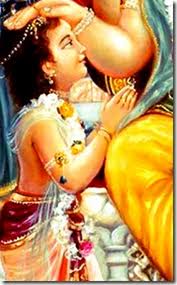
Namaste Narasimhaya (Sri Nrsimha Pranama)
namas te narasiḿhāya
prahlādāhlāda-dāyine
hiraṇyakaśipor vakṣaḥ-
śilā-ṭańka-nakhālaye
ito nṛsiḿhaḥ parato nṛsiḿho
yato yato yāmi tato nṛsiḿhaḥ
bahir nṛsiḿho hṛdaye nṛsiḿho
nṛsiḿham ādiḿ śaraṇaḿ prapadye
“I offer my obeisances to Lord Nrsimha-deva, who is always giving bliss to His devotees like Prahlada Maharaja and chiseling at the hearts of demons like Hiranyakasipu. The devotee alays sees Lord Nrsimha everywhere. Lord Nrsimha is within and without. Therefore let us all take shelter of Lord Nrsimha.”
tava kara-kamala-vare nakham adbhuta-śṛńgaḿ
dalita-hiraṇyakaśipu-tanu-bhṛńgam
keśava dhṛta-narahari-rūpa jaya jagadīśa hare
“O my Lord Nrsimha, Your hands are very beautiful, like the lotus flower, but with Your long nails You have ripped apart the wasp Hiranyakasipu. Unto You, Lord of the universe, I offer my Humble obeisances.”
…some words from Srila Prabhupada August 2, 1970 Los Angeles, CA, USA
Nṛsiṁhadeva may save you. Lord Nṛsiṁha, prahlāda āhlāda-dāyine. And to the Hiraṇyakaśipu, śilā-ṭaṅka-nakhālaye. Both ways Kṛṣṇa is protecting. And Viṣṇu, you see He has got four hands. In two hands He’s carrying śaṇkha, cakra and in two hands gadā, padma. This śaṅkha and padma is for the devotees, and gadā and cakra for the demons. Kṛṣṇa says in the Bhagavad-gītā, yadā yadā hi… paritrāṇāya sādhūnāṁ vināśāya ca duṣkṛtām [Bg. 4.8]. He has got two business. To give protection to the devotee and to kill the demons. But the result is one. He does good to the demons by killing him and He does good to the devotees by giving him protection.
More
04 May 2012
by The Hare Krishna Movement
in Devotee Books, Devotee's, Jayananda Thakur, Vishoka das
Tags: A Day in the Life of Jayananda Thakur, Jayananda, Jayananda Thakur, Srila Prabhupada, Vishoka das

This is the New Book by Vishoka Prabhu
A Day in the Life of Jayananda Thakur
Authored by Vishoka Dasa
Many religions are thinking “my religion is the only way.” And thus there are so many holy wars and quarrels. They try to convert all others to their sectarian creed. In contrast, the wise saints of India have historically been the most tolerant and respectful of other religions, saying that the purpose of all religion is to develop love of God, not to fight and convert. One of the great saints of India came to America in the 70’s and transplanted a temple of Shree Shree Radha Krishna onto the streets of San Francisco, where Tom joined to be a monk, and he had the great experience of working with a man who became a saint revered by all peoples from all walks of life in San Francisco, who enjoyed his saintliness, regardless of their own particular beliefs. This is the mark of a true saint, and people can still appreciate the reality of a modern saint, even to this day, by the biographical reading of his saintly qualities of giving love of God to others, without motive to convert or change anyone’s faith.
Product info. and links… More
04 May 2012
by The Hare Krishna Movement
in Devotee's, Jayananda Thakur, Letters by Srila Prabhupada
Tags: A.C. Bhaktivedanta Swami Prabhupada, disappearance day, jayanananda thakur, Jayananda, Letters by Srila Prabhupada, Lord Jagannatha, Ramesvara, Ratha-yatra, Srila Prabhupada
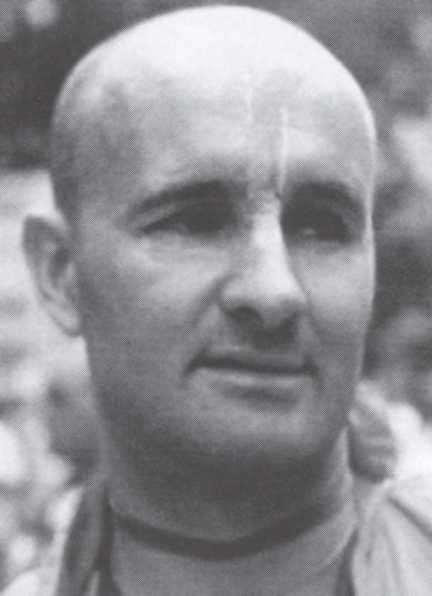
Jayananda’s death is glorious. It is very good that he had stated, what is the use of such a useless body, better to give it up. He has left his body very wonderfully, and he has been transferred to Vaikuntha. I have already sent a condolence letter for publication in Back To Godhead. Everyone should follow the example of Jayananda. I am very proud that I had such a nice disciple. If possible Jayananda’s picture should be hung in the ratha of Lord Jagannatha, and in all of our temples a day may be set aside for holding a festival in his honor, just as we do on the disappearance day of the other great Vaisnavas. (from Letter by Srila Prabhupada to Ramesvara)
Letter to: Ramesvara from Srila Prabhupada
New Delhi 11 May, 1977
For full letter More
04 May 2012
by The Hare Krishna Movement
in Festivals, Lectures, Nrsimha
Tags: appearance day of lord nrsimhdeva, give protection to devotees, hiranyakasipu, kill the demons, Lecture by His Divine Grace, Lord Nṛsiṁhadeva, nrsimha-caturdasi, paritranaya sadhunam, prahlada, SB 7.5.22

Lord Nṛsiṁhadeva’s Appearance Day
Śrīmad-Bhāgavatam 7.5.22-34 Lecture
By His Divine Grace A.C. Bhaktivedanta Swami Prabhupada
Los Angeles, May 27, 1972
So today, appearance day of Lord Nṛsiṁhadeva. Lord Nṛsiṁhadeva appeared on this Nṛsiṁha Cāturdaśī on account of His devotee, Prahlāda. As it is stated in the Bhagavad-gītā, yadā yadā hi dharmasya glānir bhavati bhārata, abhyutthānam adharmasya [Bg. 4.7]. Paritrāṇāya sādhūnāṁ vināśāya ca duṣkṛtāṁ, sambhavāmi yuge yuge [Bg. 4.8]. The Lord appears with two purposes. Paritrāṇāya sādhūnām: just to give protection and rescue the devotees, and to kill the demons, vināśāya ca duṣkṛtām. So Prahlāda Mahārāja, five-years-old boy, his only fault was that he was Kṛṣṇa conscious. He was devotee of Kṛṣṇa. That was his only fault. And the father was so unkind to a child, even five years old. He could not excuse, “Oh, let this boy do whatever, chanting Hare Kṛṣṇa.” No. The demons are so much against God consciousness that even at his home he would not allow his own child to become God conscious. This is demoniac civili… So you’ll find many critics, many enemies, because you are making progress in Kṛṣṇa consciousness. So the demons are always against this Kṛṣṇa consciousness movement. That is the whole history. Just like Lord Jesus Christ, he was crucified. What was his fault? He was preaching God consciousness, that’s all. This society is so cruel. So Prahlāda Mahārāja was tortured in so many ways. The torturing methods, I think you will find as you will see in today’s picture, how Prahlāda Mahārāja was tortured.
More
03 May 2012
by The Hare Krishna Movement
in Krishna Consciousness, Lectures
Tags: A.C. Bhaktivedanta Swami Prabhupada, adhibhautic, adhidaivic, adhyatmic, happiness, Jaya Gopala, lecture by Prabhupada, Madhudvisa, material comforts, material conditional life, material world, miseries, prabhupada, relief from distress, Tamal Krishna, Visnujana
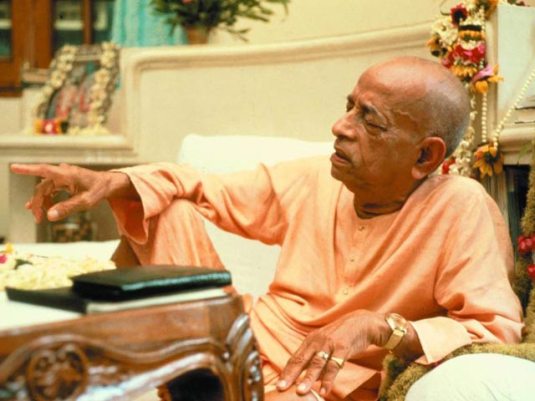
…So sufferings are always there. But we are trying to adjust by patchwork. Sufferings are always there. Everyone is trying to get out of sufferings, that is a fact. The whole struggle for existence is to get out of the suffering. But there are different kinds of prescription… But according to Krishna consciousness movement, you can get out of all sufferings if you simply change your consciousness, that’s all. That is Krishna consciousness.
In any case you are only servant
Lecture given by His Divine Grace A.C. Bhaktivedanta Swami Prabhupada
Seattle, September 27, 1968
So our program is to worship the original Supreme Personality of Godhead, Krishna. Govindam adi-purusam tam aham bhajami [Brahma-samhita: “I worship Govinda, the primeval Lord”]. In this material world everyone is trying to get happiness and to get relief from distress. Two things are going on, attempt. There are different processes. Material process is completely absurd. That is already proved. No amount of material comforts or happiness, so-called happiness, can give us the actual happiness that we are hankering. That is not possible. Then there are different other processes also.
There are three kinds of miseries due to our material conditional life: adhyatmic, adhibhautic, adhidaivic. Adhyatmic means pertaining to the body and to the mind. Just like when there is some disarrangement of the different functions of metabolism within this body, we get fever, we get some pain, headache—so many things—so these miseries are called adhyatmic, pertaining to the body. And another part of this adhyatmic misery is due to the mind.
More
Previous Older Entries Next Newer Entries












 The Hare Krishna Movement