The State of the Union

hiranyakashipu

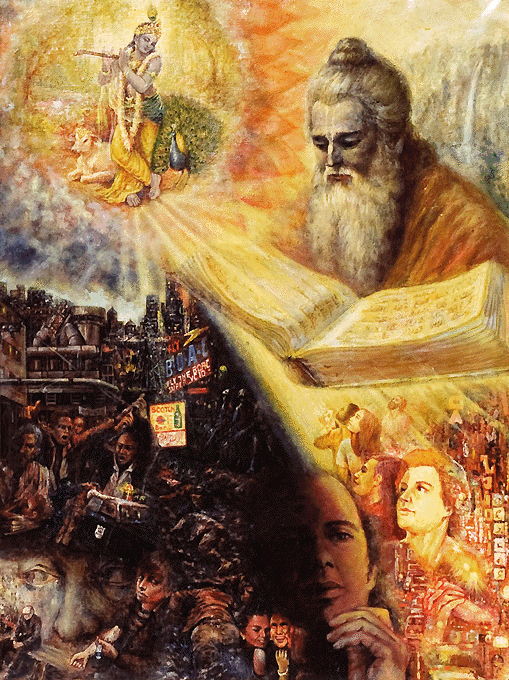
I have read and re-read this chapter many times this election year, and this is a perfect description on the demoniac man.

dambho darpo ’bhimānaś ca
krodhaḥ pāruṣyam eva ca
ajñānaṁ cābhijātasya
pārtha sampadam āsurīm

dambhaḥ—pride; darpaḥ—arrogance; abhimānaḥ—conceit; ca—and; krodaḥ—anger; pāruṣyam—harshness; eva—certainly; ca—and; ajñānam—ignorance; ca—and; abhijātasya—one who is born; pārtha—O son of Pṛthā; sampadam—nature; āsurīm—demoniac.

Arrogance, pride, anger, conceit, harshness and ignorance—these qualities belong to those of demonic nature, O son of Pṛthā. (Bg 16.4)


In this verse, the royal road to hell is described. The demoniac want to make a show of religion and advancement in spiritual science, although they do not follow the principles. They are always arrogant or proud in possessing some type of education or so much wealth. They desire to be worshiped by others, and demand respectability, although they do not command respect. Over trifles they become very angry and speak harshly, not gently. They do not know what should be done and what should not be done. They do everything whimsically, according to their own desire, and they do not recognize any authority. These demoniac qualities are taken on by them from the beginning of their bodies in the wombs of their mothers, and as they grow they manifest all these inauspicious qualities. (From purport to Bg. 16.4)

The demoniac man knows no limit to his desire to acquire money. That is unlimited. He only thinks how much assessment he has just now and schemes to engage that stock of wealth farther and farther. For that reason, he does not hesitate to act in any sinful way and so deals in the black market for illegal gratification. He is enamoured by the possessions he has already, such as land, family, house and bank balance, and he is always planning to improve them…

More

Pranams (Prayers)

Paris vyasasana pranamas closer

click on image to enlarge

One of the most used books in our temple room is the songbook. Everyday it seems, I am flipping through the “Songs of the Vaisnava Acaryas”, singing one of the many songs or reciting some of the numerous pranams (prayers) as part of my daily sadhana. The following post is the first 13 pages of songbook, which in my mind is a nice way to start the day and is a good prelude to other devotional service.

Pranams
from the Songs of the Vaisnava Acaryas

SRI GURU PRANAMA

om ajnana-timirandhasya jnananjana-salakaya
caksur unmilitam yena tasmai sri-gurave namah

om-address; ajnana-of ignorance; timira-by the darkness; andhasya-of one who was blinded; jnana-anjana-by the ointment of spiritual knowledge; salakaya-by a medical instrument called a salaka, which is used to apply medical ointment to eyes afflicted with cataracts: caksuh-eyes; unmilitam-were opened; yena-by whom; tasmai-unto him; sri-gurave-unto my spiritual master; namah-obeisances.

I offer my respectful obeisances unto my spiritual master, who has opened my eyes, which were blinded by the darkness of ignorance, with the torchlight of knowledge.

SRI RUPA PRANAMA

sri-caitanya-mano-‘bhistam sthapitum yena bhtu-tale
svayam rupah kada mahyam dadati sva-padantikam

sri-caitanya-of Lord Caitanya; manah- mind; abhistam-what is desired; sthapitam-established; yena-by whom; bhu-tale-on the surface of the globe; svayam-himself; rupah-Srila Rupa Gosvami; kada-when; mahyam-unto me; dadati-will give; sva-his own; pada-lotus feet; antikam-proximity to.

When will Srila Rupa Gosvami Prabhupada, who has established within this material world the mission to fulfill the desire of Lord Caitanya, give me shelter under his lotus feet?

MANGALACARANA

vande ‘ham sri-guroh sri-yuta-pada-kamalam sri-gurun vaisnavams’ ca
sri-rupam sagrajatam saha-gana-raghunathanvitam tam sa jivam
sadvaitam savadhutam parijana-sahitam krsna-caitanya-devam
sri-radha-krsna-padan saha-gana-lalita-sri-visakhanvitams’ ca

vande–offer my respectful obeisances; aham–I; sri-guroh–of my spiritual master; sri-yuta-pada-kamalam–unto the lotus feet; sri-gurun–unto the spiritual masters; vaisnavan–unto all the Vaisnavas; ca–and; sri-rupam–unto Srila Rupa Gosvami; sa-agra-jatam–with his elder brothers Sri Sanatana Gosvami; saha-gana-raghunatha-anvitam–with Raghunatha Dasa Gosvami and his associates; tam–unto him; sajivam–with Jiva Gosvami; sa- advaitam–with Advaita Acarya; sa-avadhutam–with Nityananda Prabhu; parijana-sahitam–and with Srivasa Thakura and all the other devotees; krsna-caitanya-devam–unto Lord Sri Caitanya Mahaprabhu; sri-radha-krsna-padan–unto the lotus feet of Radha and Krsna, saha-gana–with associates; lalita-sri-visakha-anvitan–accompanied by Lalita and Sri Visakha; ca–also.

“I offer my respectful obeisances unto the lotus feet of my spiritual master and unto the feet of all Vaisnavas. I offer my respectful obeisances unto the lotus feet of Srila Rupa Gosvaml, along with his elder brother Sanatana Gosvami, as well as Raghunatha Dasa , Raghunatha Bhatta, Gopal Batta and Srila Jiva Gosvami. I offer my respectful obeisances to Lord Sri Caitanya Mahaprabhu and Lord Nityananda along with Advaita Acarya, Gadadhara, Srivasa, and other associates. I offer my respectful obeisances to Srimati Radharani and Sri Krsna along with Their associates Sri Lalita and Visakha.”

More

How Can Kali Destroy ISKCON

Most of us have an understanding of “The age of Kali”. There is a nice article at the bottom of this post taken fro Back to Godhead Magizine, wherein Srila Prabhupada lectures on the “Predictions for the Age of Hypocrisy” But an interesting post appeared on Facebook recently, “How Can Kali Destroy ISKCON”, posted by Govinda dasi we share with you.

tatas canu-dinam dharmah
satyam saucam ksama daya
kalena balina rajan
nanksyaty ayur balam smrtih

“My dear King, with each day religion, truthfulness, cleanliness, forgiveness, mercy, duration of life, bodily strength, and memory will all decrease more and more by the mighty force of time.” (Srimad-Bhagavatam 12.2.1)

So here Sukadeva Gosvami is describing the chief symptoms of this age. He says, tatas canudinam: with the progress of this age (Kali-yuga), dharma, religious principles; satyam, truthfulness; saucam, cleanliness; ksama, forgiveness; daya, mercifulness; ayur, duration of life; balam, bodily strength; smrti, memory—these eight things will gradually decrease to nil or almost nil.

How Can Kali Destroy ISKCON

We have heard it all about how Kali entered ISKCON. Here is a detailed, crystal-clear analysis from my good friend. Remember, where there is a disease, there is a cure, which Srila Prabhupada prescribed: “Your love for me will be shown by how you cooperate with one another.” and all its auxiliaries. And don’t say that because it’s AI, it is not valid. Then stay ignorant. Note this. AI gives solid, substantial research of available sources and spits out realized instructions that you will not hear from, adored by the ordinary public, esteemed and prominent preachers, who at best have nothing to say, talk trash, or worse, go against Srila Prabhupada in a covert way.

My question to AI: If you would be the demon Kali how would you destroy ISKCON?

Answer: In Hindu eschatology, the demon Kali (the personification of the Kali-yuga) does not destroy through brute force or external warfare. Kali’s power lies in Dharma-vyadha—the corruption of righteousness from within.

If I were to approach this from the perspective of that archetypal energy, the strategy to dismantle an organization like ISKCON would not be to attack it, but to “poison the roots” by encouraging the four specific vices Kali resides in, as described in the Srimad Bhagavatam.

According to the texts, Kali resides where there is: gambling, intoxication, illicit sex, and animal slaughter. To destroy a spiritual movement, Kali would work to subtly integrate these or their psychological equivalents into the structure:

1. The Corruption of “Truth” (Gambling)

I would encourage intellectual gambling. This means moving away from the “Absolute Truth” of the shastra (scriptures) and instead fostering speculation and corporate politics. By making the leadership more concerned with “winning” organizational power struggles than with spiritual realization, the internal trust—the glue of the movement—would dissolve into suspicion.

2. The Loss of “Austerity” (Intoxication)

I wouldn’t use drugs; I would use the intoxication of prestige. I would make the followers drunk on the idea of being “chosen” or “spiritually superior.” When pride takes over, austerity (the discipline of the mind and senses) vanishes. A movement that seeks fame (pratistha) more than purity is already hollowed out.

3. The Loss of “Cleanliness” (Illicit Connection)

I would foster hypocrisy. By creating a culture where external appearance is strictly monitored but internal struggles are buried in shame, I would create a pressure cooker. When scandals are covered up rather than addressed with “cleanliness” (honesty and accountability), the moral authority of the movement collapses in the eyes of the public and the youth.

4. The Loss of “Mercy” (Cruelty)

I would replace compassion with bureaucracy. I would make the institution so rigid and focused on “rules” and “management” that it forgets to be merciful to its members. When the devotees feel like cogs in a machine rather than souls being cared for, they will naturally drift away, feeling spiritually starved.

The Ultimate Weapon: Internal Strife

In the Puranas, Kali’s greatest success is Bheda (division).

The Strategy: Split the organization into “liberal” and “conservative” camps.

The Result: Instead of chanting the names of God, they would spend their energy arguing with each other on the internet.

The “Kali-yuga” way to destroy ISKCON is simply to wait for it to forget its essence and become just another worldly business.

More

A True Yogi

Bhagavad-gita As It Is Text 29

sarva-bhūta-stham ātmānaṁ
sarva-bhūtāni cātmani
īkṣate yoga-yuktātmā
sarvatra sama-darśanaḥ

sarva-bhūta-stham—situated in all beings; ātmānam—the Supersoul; sarva—all; bhūtāni—entities; ca—also; ātmani—in the Self; īkṣate—does see; yoga-yukta-ātmā—one who is dovetailed in Kṛṣṇa consciousness; sarvatra—everywhere; sama-darśanaḥ—seeing equally.

TRANSLATION

A true yogī observes Me in all beings, and also sees every being in Me. Indeed, the self-realized man sees Me everywhere.

PURPORT

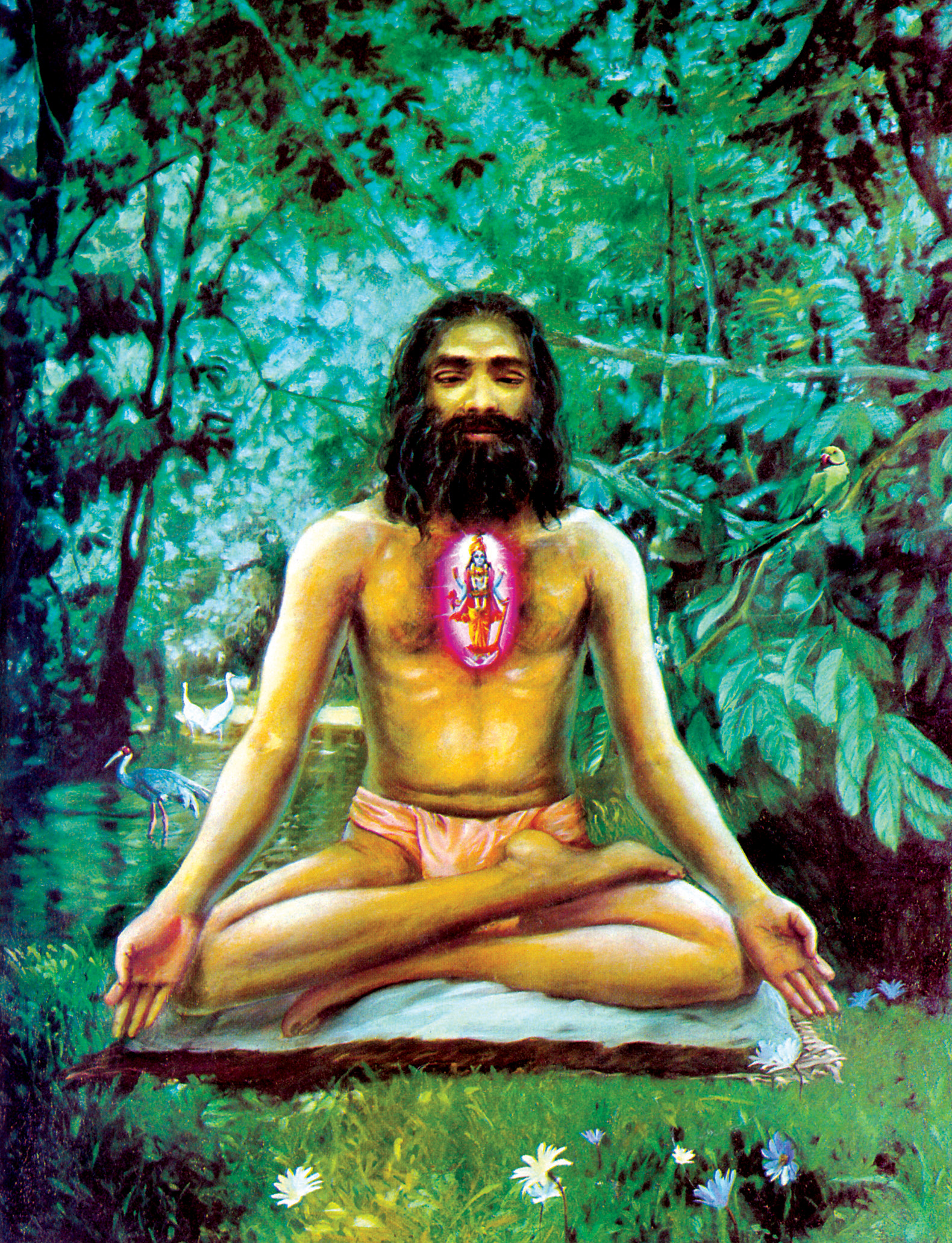
A Kṛṣṇa conscious yogī is the perfect seer because he sees Kṛṣṇa, the Supreme, situated in everyone’s heart as Supersoul (Paramātmā).

Īśvaraḥ sarva-bhūtānāṁ hṛd-deśe ’rjuna tiṣṭhati.

The Supreme Lord is situated in everyone’s heart, O Arjuna, and is directing the wanderings of all living entities.

The Song of God

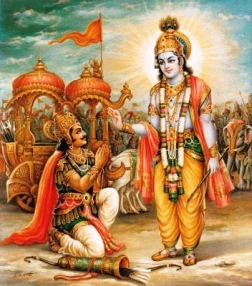
Whenever I think about the Bhagavad-gita, this image comes to mind. It is the “Song of God”, the words spoken by the Supreme Personality of Godhead to His dear friend and disciple Arjuna.

Bhagavad-gītā As It Is 1972 Edition
By His Divine Grace A. C. Bhaktivedanta Swami Prabhupāda
Chapter Ten, Text 12-13

arjuna uvāca

paraṁ brahma paraṁ dhāma
pavitraṁ paramaṁ bhavān
puruṣaṁ śāśvataṁ divyam
ādi-devam ajaṁ vibhum

āhus tvām ṛṣayaḥ sarve
devarṣir nāradas tathā
asito devalo vyāsaḥ
svayaṁ caiva bravīṣi me

Arjuna said: You are the Supreme Brahman, the ultimate, the supreme abode and purifier, the Absolute Truth and the eternal divine person. You are the primal God, transcendental and original, and You are the unborn and all-pervading beauty. All the great sages such as Nārada, Asita, Devala, and Vyāsa proclaim this of You, and now You Yourself are declaring it to me.

PURPORT

In these two verses the Supreme Lord gives a chance to the modern philosopher, for here it is clear that the Supreme is different from the individual soul. Arjuna, after hearing the essential four verses of Bhagavad-gītā in this chapter, became completely free from all doubts and accepted Kṛṣṇa as the Supreme Personality of Godhead. He at once boldly declares, “You are Parambrahma, the Supreme Personality of Godhead.” And previously Kṛṣṇa states that He is the originator of everything and everyone. Every demigod and every human being is dependant on Him. Men and demigods, out of ignorance, think that they are absolute and independant of the Supreme Lord Kṛṣṇa. That ignorance is removed perfectly by the discharge of devotional service. This is already explained in the previous verse by the Lord. Now by His grace, Arjuna is accepting Him as the Supreme Truth, in concordance with the Vedic injunction. It is not because Kṛṣṇa is an intimate friend of Arjuna that he is flattering Him by calling Him the Supreme Personality of Godhead, the Absolute Truth. Whatever Arjuna says in these two verses is confirmed by Vedic truth. Vedic injunctions affirm that only one who takes to devotional service to the Supreme Lord can understand Him, whereas others cannot. Each and every word of this verse spoken by Arjuna is confirmed by Vedic injunction.

More

Krishna Consciousness

People often think that The Hare Krishna Movement (ISKCON) is a Hindu Religion, but it is not. Sometime back in 1968, one reporter asked Srila Prabhupada, “What is this Hare Krishna Movement?”. Srila Prabhupada replied: “We are not a buissness , we are not a Religion”.

…I am not very interested to establish a Hindu temple. Perhaps you know from the very beginning I never described my movement as Hindu religion. Religion means the bona fide process by which we understand God and the first class religion is that which teaches people to develop love for God. To know or accept the authority of God is one thing, but to love God is another. Generally, people are interested in material comforts and they make God as the supplying agent. This kind of devotion is not purified. It is contaminated by material desires, but when one is elevated to the position of giving everything to God out of love and affection, that is the first class position. We are teaching this philosophy in the name of Krishna Consciousness, and it is applicable to all sober persons. The Bhagavat principle is that because we can be happy simply by developing our dormant love of God, this is our first business. (Letter to: Mukunda June 3, 1969)

In the eighteenth Chapter of Bhagavad-gita, Lord Krishna in conclusion states:

sarva-dharmān parityajya
mām ekaṁ śaraṇaṁ vraja
ahaṁ tvāṁ sarva-pāpebhyo
mokṣayiṣyāmi mā śucaḥ

sarva-dharmān—all varieties of religion; parityajya—abandoning; mām—unto Me; ekam—only; śaraṇam—surrender; vraja—go; aham—I; tvām—you; sarva—all; pāpebhyaḥ—from sinful reactions; mokṣayiṣyāmi—deliver; mā—not; śucaḥ—worry.

TRANSLATION

Abandon all varieties of religion and just surrender unto Me. I shall deliver you from all sinful reaction. Do not fear. (Bg 18.66)

PURPORT

The Lord has described various kinds of knowledge, processes of religion, knowledge of the Supreme Brahman, knowledge of the Supersoul, knowledge of the different types of orders and statuses of social life, knowledge of the renounced order of life, knowledge of nonattachment, sense and mind control, meditation, etc. He has described in so many ways different types of religion. Now, in summarizing Bhagavad-gītā, the Lord says that Arjuna should give up all the processes that have been explained to him; he should simply surrender to Kṛṣṇa. That surrender will save him from all kinds of sinful reactions, for the Lord personally promises to protect him.

More

Prasadam: The Lords Mercy

Krishna Prasadam, The Lords Mercy

Prasadam
How to Prepare and Offer Food

Food prepared for and offered to Krishna with love and devotion becomes completely spiritualized. Such food is called Krishna prasadam, which means “the mercy of Lord Krishna.”

Lord Caitanya said of prasadam…”now that they have been prepared for Krishna and offered to Him with devotion, these foods have acquired extraordinary tastes and uncommon fragrances. Just taste them and see the difference! Apart from the taste, even the fragrance pleases the mind and makes one forget any other fragrance. Therefore, it should be understood that the spiritual nectar of Krishna’s lips must have touched these ordinary foods and imparted to them all their transcendental qualities.”

Eating only food offered to Krishna is the perfection of vegetarianism. In the Bhagavad-gita Lord Krishna says that unless one eats only food that has been offered to Him in sacrifice, one will suffer the reactions of karma. He also states, “If one offers Me with love and devotion a leaf, a flower, a fruit, or water, I will accept it.”

Wwe can offer Krishna foods prepared from milk products, vegetables, fruits, nuts, and grains. Meat, fish and eggs are not offerable. And a few vegetarian items are also forbidden— garlic and onions, for example, which are in the mode of darkness. (Hing, or asafoetida, is a tasty substitute for them in cooking.) Nor can you offer Krishna coffee or tea.

In preparing food, cleanliness is the most important principle. Nothing impure should be offered to God, so keep your kitchen very clean. Always wash your hands thoroughly before entering the kitchen. While preparing food, do not taste it, for you are cooking the meal not for yourself but for the plea¬sure of Krishna. Arrange positions of the food on dinnerware kept especially for this purpose; no one but the Lord should eat from these dishes. The easiest way to offer food is simply to pray, “My dear Lord Krishna, please accept this food,” and to chant each of the following prayers three times while ringing a bell.

prasadam spiritual food
More

Basic Chapati Recipe

With all this cold weather, I have been spending more time in the kitchen. Instead of the quick meal that often took place after a long days work, we are finding renewed pleasure in going through our vegetarian cookbooks and planning nice well balanced meals. One thing we have been eating more of is chapatis. They go well with almost every vegetable dish, are easy to prepare, and are a healthy alternative to bread which usually contains yeast.

From The Hare KRSNA Cookbook 1972

Basic Chapati
1 cup Whole Weat Flour
1/4 cup Melted Butter
Warm water

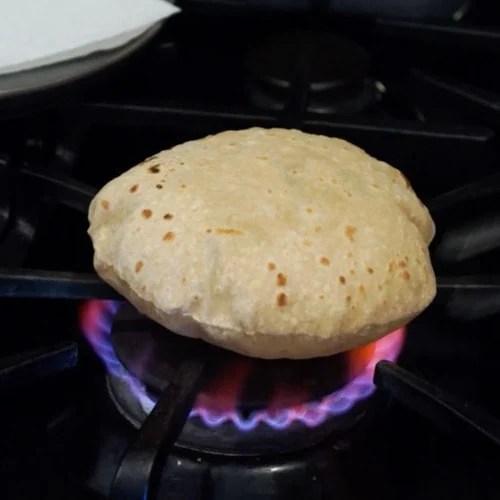
Mix the flour and water together, adding water gradually until dough is soft but not wet, and can be kneaded. Knead the dough until it’s fairly soft (8 to 10 minutes). Cover and let dough rest for one hour. Sprinkle flour on rolling area and makes 1-1/2 inch balls out of dough. Flatten balls and roll out to about 4-5″ diameter. Place the chapati on a heated skillet (dry, free from oil) and cook until bubbles appear. Turn chapati quickly and let cook until bubbles appear again. Using tongs, remove chapati from pan, and hold over an open flame or burner to make it puff up. Heat it first on the side that was first cooked. You can lay directly on the burner for a brief moment, but don’t let it stick. When chapati puffs up, turn quickly and repeat on other side till it puffs. Remove, butter both sides, and cover with a clean cloth to keep in heat while remaining chapatis are cooked.

Teaching and Study Guide to the Bhagavad-gita As It is

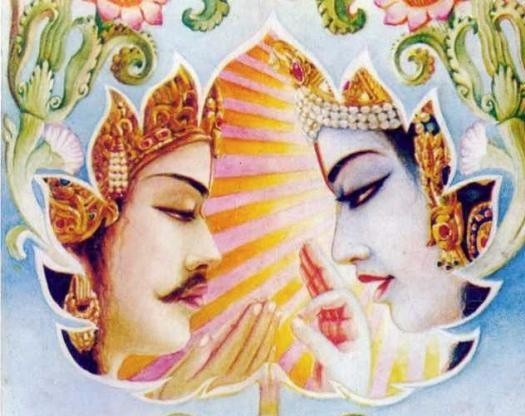
Krsna and Arjuna

This is a nice Study Guide on the Bhagavad-gita As It Is.  It begins with the Introduction to the Bhagavad-gita, some notes on the Original Edition, the significance of the Bhagavad-gita, a philosophical synopsis, chapter by chapter summary, Q & A, and a suguested teaching syllabus.  All in all ,a very nice presentation prepared by disciples and followers of His Divine Grace A. C. Bhaktivedanta Swami Prabhupada.

We are offing it here as a free pdf download that you can view, save or print, by clicking on the following link:

Teaching_and_Study_Guide_to_Bhagavad-gita_As_It_Is

Appearance Day of Srila Bhaktisiddhanta Saraswati Thakura

Today we celebrate the Appearance of Srila Bhaktisiddhanta Saraswati Thakura, the son of Srila Bhaktivinoda Thakura, and Spiritual Master of our Srila Prabhupada. We will honor it with a half day fast, rememberances and readings. I happened upon the following post some years ago on the Sampradaya Sun, and because it was so nicely assembled, we will share it with you here today.

The Appearance of Srila Bhaktisiddhanta
by Sun Staff CANADA (SUN)

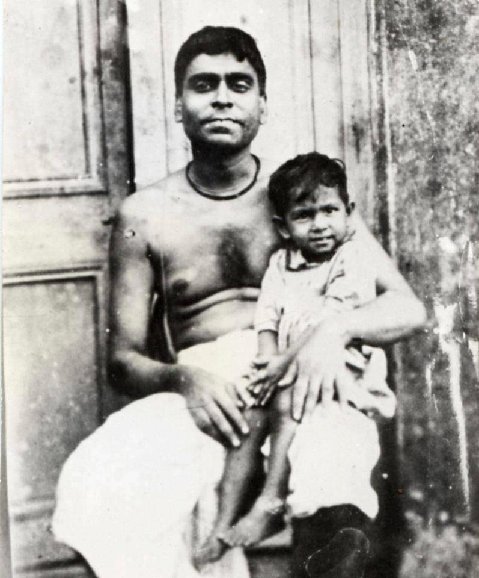
Srila Bhaktisiddhanta Saraswati Thakura appeared in Purusottam Ksetra, Jagannatha Puri, Orissa, on February 6, 1874. He was born in the family home next to the Narayan-chhata of Sri Jagannatha Temple, which always reverberated with the chanting of the Holy Name. Named Bimala Prasad, He was the fourth son of Srila Bhaktivinoda Thakura and Srimati Bhagavati Devi.

By the age of twelve, Bhaktisiddhanta Sarasvati was well versed in astronomy. Hearing news of this, Srila Jagannatha dasa Babaji summoned him one day and instructed him to make a Vaisnava calendar that included the appearance and disappearance days of all Lord Caitanya Mahaprabhu’s and Visnupriya Thakurani’s associates. Following these instructions, Srila Bhaktisiddhanta Sarasvati made the necessary calculations and began publication of “Sri Nabadvipa Panjica”.

More

108 Imporant Slokas from the 1972 Bhagavad-gita As It Is

Click on image to go to Post

Click on image to go to Post

The Hare Krishna Cookbook

Songs of the Vaisnava Acaryas

Bhagavad-gita As It Is 1972 Edition “Online”

click on image

click on image to visit site

Srimad Bhagavatam Online

click on image

Raja-Vidya the King of Knowledge

click on image

click on image

Blog Stats

  • 4,620,405 hits

Enter your email address to subscribe to this blog and receive notifications of new posts by email.

Join 3,908 other subscribers

Important Slokas from the Brahma-samhita

click on image

click on image

Slokas from the Sri Isopanisad

click on image

click on image

Prayers By Queen Kunti (Slokas)

click on image

Gajendra’s Prayers of Surrender (Slokas)

click on image

A Short Statement of the Philosophy of Krishna Consciousness

click on image

click on image

July 9th Letter

click on image

click on image

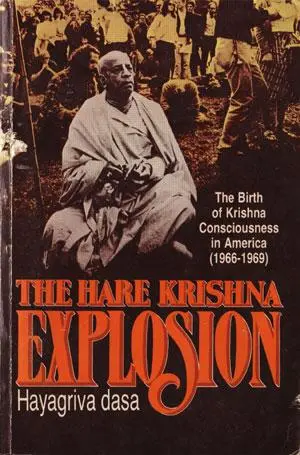
The Hare Krishna Explosion

Reference Material/Study Guide

click on image

click on image

  • LINKS