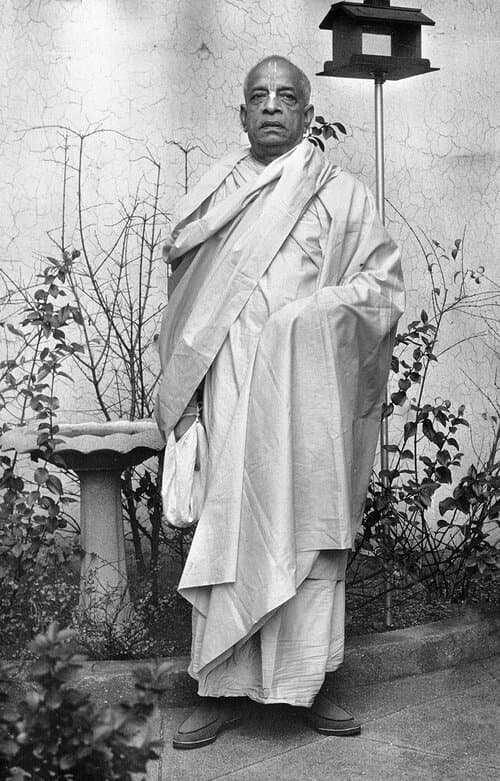
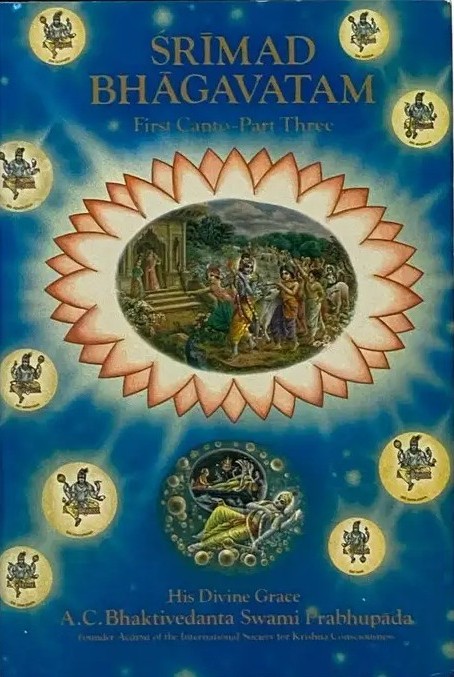
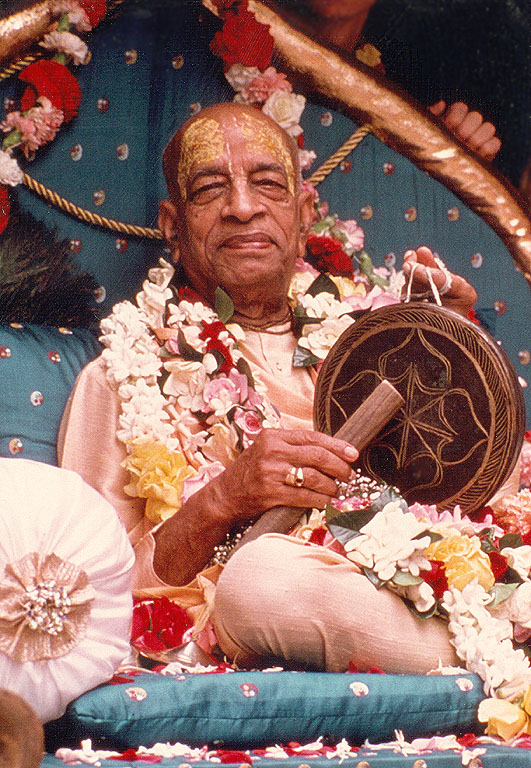
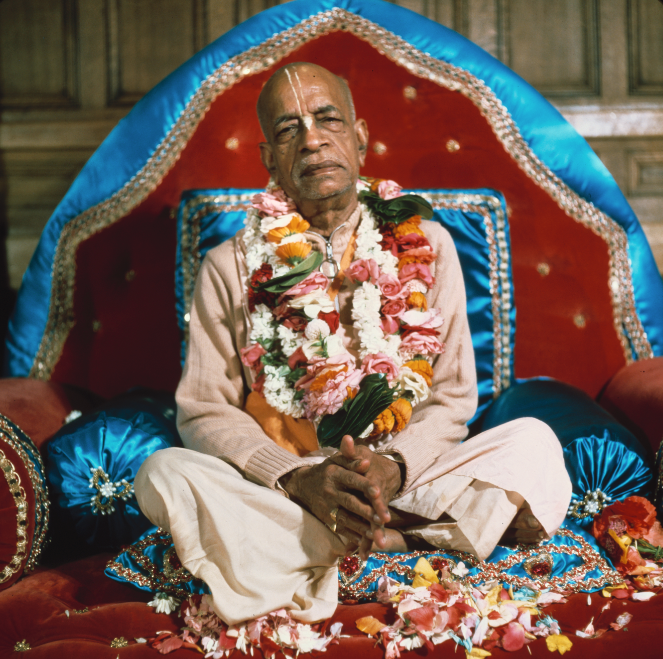
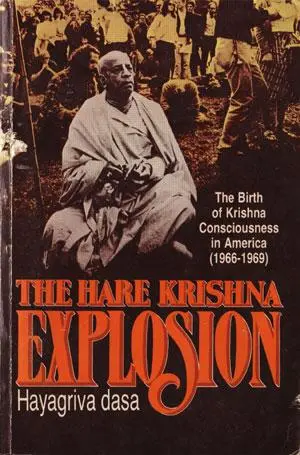
His Divine Grace A.C. Bhaktivedanta Swami Prabhupada
I have been carrying around a little piece of paper in my wallet, with the words yare dekha, tare kaha on it. I finally went to Vaniquotes to see what these words implied.
yāre dekha, tāre kaha ‘kṛṣṇa’-upadeśa āmāra ājñāya guru hañā tāra’ ei deśa (Cc Madhya 7.128)
“Instruct everyone to follow the orders of Lord Śrī Kṛṣṇa as they are given in the Bhagavad-gītā and Śrīmad-Bhāgavatam. In this way become a spiritual master and try to liberate everyone in this land.”
…the sublime mission of the International Society for Krishna Consciousness. Many people come and inquire whether they have to give up family life to join the Society, but that is not our mission. One can remain comfortably in his residence. We simply request everyone to chant the mahā-mantra: Hare Kṛṣṇa, Hare Kṛṣṇa, Kṛṣṇa Kṛṣṇa, Hare Hare/ Hare Rāma, Hare Rāma, Rāma Rāma, Hare Hare.
…The real purpose of human life is to attain the spiritual platform and return to Godhead. That is the summum bonum of spiritual realization. The Kṛṣṇa consciousness movement is trying to elevate human society to the perfection of life by pursuing the method described by Śrī Caitanya Mahāprabhu in His advice to the brāhmaṇa Kūrma. That is, one should stay at home, chant the Hare Kṛṣṇa mantra and preach the instructions of Kṛṣṇa as they are given in the Bhagavad-gita and Srimad Bhagavatam. (from purport)
“Whomever you meet, simply talk with him about the instructions given by Kṛṣṇa or tell him of narrations about Kṛṣṇa.” (SB 4.23.38)
I am sure by now, everyone has heard about Donald Trumps tweets from his social media.
I really don’t want to focus my attention on such insane speak, but it was to horrific to ignore.
“A whole civilization will die tonight, never to be brought back again” (April 7)
A civilization that has been around for some 5,000 years, since the time of the Pandavas. It is simply madness. And can only be described as demonic behavior.
From the pages of the Bhagavad-gita, there is a description of the demoniac personality…
The demoniac person thinks: “So much wealth do I have today, and I will gain more according to my schemes. So much is mine now, and it will increase in the future, more and more. He is my enemy, and I have killed him; and my other enemy will also be killed. I am the lord of everything, I am the enjoyer, I am perfect, powerful and happy. I am the richest man, surrounded by aristocratic relatives. There is none so powerful and happy as I am. I shall perform sacrifices, I shall give some charity, and thus I shall rejoice.” In this way, such persons are deluded by ignorance. (Bg 16. 13-14)
Following such conclusions, the demoniac, who are lost to themselves and who have no intelligence, engage in unbeneficial, horrible works meant to destroy the world. (Bg 16.9)
This is a very important verse, and often quoted by Srila Prabhupada in Lectures.
“One who knows the transcendental nature of My appearance and activities does not, upon leaving the body, take his birth again in this material world, but attains My eternal abode, O Arjuna.” (Bg 4.9)
…“The one Supreme Personality of Godhead is eternally engaged in many, many transcendental forms in relationships with His unalloyed devotees.”
…the devotee, simply by understanding the transcendental nature of the body and activities of the Lord, attains the abode of the Lord after ending this body and does not run the risk of returning again to this material world.
…One can attain the perfect stage of liberation from birth and death simply by knowing the Lord, the Supreme Personality of Godhead. (from purport)
When I first began reading this verse from the Srimad Bhagavatam this morning, I thought it was just about hearing, but as I read and re read the purport, it was also about love.
“Simply by giving aural reception to this Vedic literature, the feeling for loving devotional service to Lord Kṛṣṇa, the Supreme Personality of Godhead, sprouts up at once to extinguish the fire of lamentation, illusion and fearfulness.” (Srimad Bhagavatam 1.7.7.)
There are various senses, of which the ear is the most effective. This sense works even when a man is deep asleep. One can protect himself from the hands of an enemy while awake, but while asleep one is protected by the ear only. The importance of hearing is mentioned here in connection with attaining the highest perfection of life, namely, getting free from three material pangs…
…And it is definitely suggested herein that simply by hearing the message of Śrīmad-Bhāgavatam one gets attachment for the Supreme Personality of Godhead Śrī Kṛṣṇa, and as soon as this is effected the symptoms of the material diseases disappear. Śrīla Vyāsadeva saw the all-perfect Personality of Godhead, and in this statement the all-perfect Personality of Godhead Śrī Kṛṣṇa is clearly confirmed.
The ultimate result of devotional service is to develop genuine love for the Supreme Personality. Love is a word which is often used in relation with man and woman. And love is the only word that can be properly used to indicate the relation between Lord Kṛṣṇa and the living entities.
Loving devotional service to the Lord begins with hearing about the Lord. (from purport)
I am often of two minds. As a practicing devotee, I know that I should focus my mind on spiritual matters, but I am also living in this material world in a material body. Therefore much of my time and energy is engaged in material activities, like watching world news for example. It is like driving by a roadside accident and wanting to look at the damage, but knowing I should keep my eyes on the road.
I try to understand that “I am not this body, I am Spirit soul” and yet every day I feel the pains of ageing. I try to focus on the teachings of the Bhagavad-gita and the Srimad Bhagavatam, but my mind is drawn to events of this world. My heart aches for the suffering of others, and my only solace is the teachings of the Bhagavad-gita and Srimad Bhagavatam.
In Bhagavad-gītā it is stated that one who is advanced in spiritual knowledge is not disturbed by the pains and pleasures of the material body. The material body is completely separate from the spirit soul, and the pains and pleasures of the body are superfluous. The practice of austerity and penance is meant for understanding the distinction between the body and the soul and how the soul can be unaffected by the pleasures and pains of the body…” (from purport SB 5.10.9)
Everyone in this material world is distressed by miserable conditions, but Śrīla Prabodhānanda Sarasvatī says that this world is full of happiness. How is this possible? He answers, yat-kāruṇya-katākṣa-vaibhavavatāṁ taṁ gauram eva stumaḥ. A devotee accepts the distress of this material world as happiness only due to the causeless mercy of Śrī Caitanya Mahāprabhu. By His personal behavior, Śrī Caitanya Mahāprabhu showed that He was never distressed but always happy in chanting the Hare Kṛṣṇa mahā-mantra. One should follow in the footsteps of Śrī Caitanya Mahāprabhu and engage constantly in chanting the mahā-mantra—Hare Kṛṣṇa, Hare Kṛṣṇa, Kṛṣṇa Kṛṣṇa, Hare Hare/ Hare Rāma, Hare Rāma, Rāma Rāma, Hare Hare. Then he will never feel the distresses of the world of duality. In any condition of life one will be happy if he chants the holy name of the Lord. (from purport SB 6.17.30)
One should live in the material world very expertly. The material world is known as the world of duality because one sometimes has to act impiously and sometimes has to act piously. Although one does not want to act impiously, the world is so fashioned that there is always danger (padaṁ padaṁ yad vipadām [SB 10.14.58]). Thus even when performing devotional service a devotee has to create many enemies. Prahlāda Mahārāja himself had experience of this, for even his father became his enemy. A devotee should expertly manage to think always of the Supreme Lord so that the reactions of suffering cannot touch him (from purport SB 7.10.13)
Trying to advance in spiritual life outside the association of fellow devotees can be difficult. the Sanskrit word Smṛtyā means remembering Kṛṣṇa always. Life should be molded in such a way that one cannot remain alone without thinking of Kṛṣṇa. We should live in Kṛṣṇa so that while eating, sleeping, walking and working we remain only in Kṛṣṇa. Our Kṛṣṇa consciousness society recommends that we arrange our living so that we can remember Kṛṣṇa. (from purport SB 4.22.24)
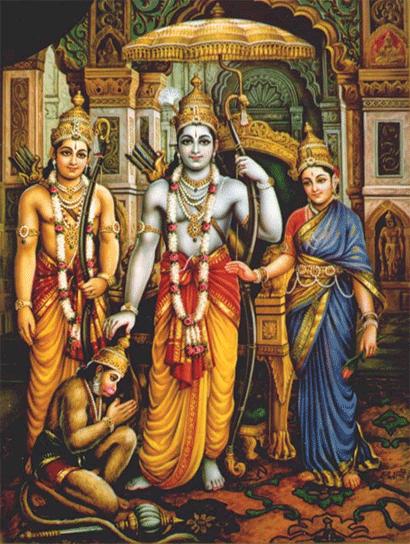
So today marks the appearance day of Lord Ramacandra, otherwise known as Rama-Navami. We honor it with a full day fast, followed by an nice vegetarian feast. It is nice to remember the Lord by extra chanting of His holy names, and with readings throughout the day of the glorious pastimes of the Lord.
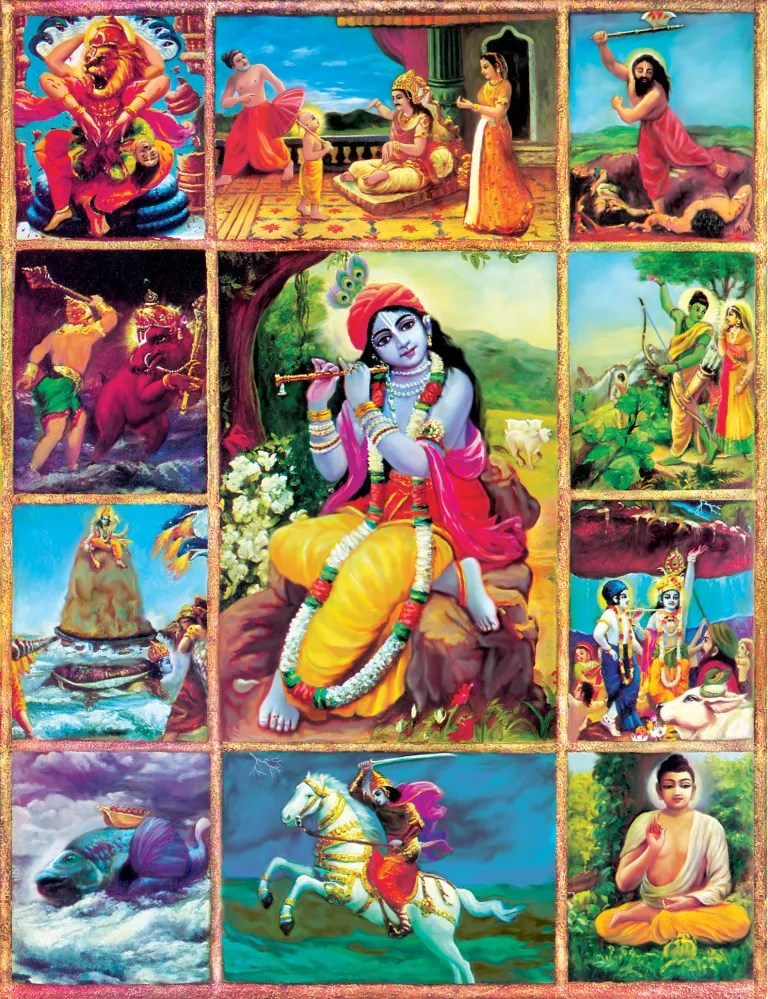
Ramachandra, or Lord Rama, is one of Krishna’s many avatars on earth. He appeared during a previous age, Treta-yuga, and ruled as emperor of the world. A chronicle of His activities is presented extensively in the epic Ramayana, and concisely in the ninth canto of the Srimad-Bhagavatam, a biography of Krishna’s many incarnations.
Ramachandra’s life is considered to be exemplary in every way. Followers of India’s Vedic culture see Him as the ideal king, the most powerful warrior, and the most faithful husband. It is said that He ruled His kingdom just as a loving father cares for his children. Lord Rama’s nobility, integrity, decency, and virtue are spoken of with reverence even today.
He appeared as the eldest son of Maharaja Dasarath, along with brothers Bharata, Lakshmana, and Shatrughna—also incarnations of the Supreme Person. He married Sita devi, daughter of King Janaka, after breaking the bow of Siva in the contest for Sita’s hand. On the day of Ramachandra’s coronation, however, due to royal intrigue, He was banished to the forest for fourteen years, and Lakshmana and Sita accompanied Him there.
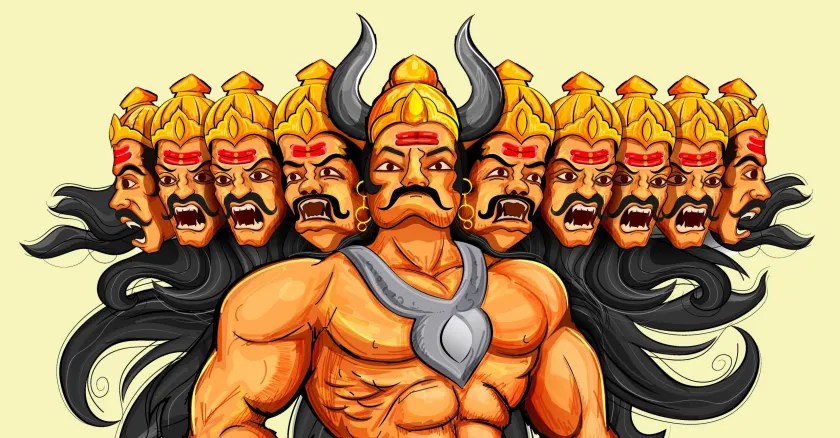
Ravana, king of Lanka, kidnapped Sita when Rama was absent from Their forest home. Subsequently, Rama and Lakshmana organized an army of forest-dwelling simians, vanaras—including the great devotee Hanuman— to attack Lanka. He then killed Ravana, rescued Sita, and triumphantly returned to His capital city, Ayodhya.
“In the eighteenth incarnation, the Lord appeared as King Rāma. In order to perform some pleasing work for the demigods, He exhibited superhuman powers by controlling the Indian Ocean and then killing the atheist King Rāvaṇa, who was on the other side of the sea.” (Srimad Bhagavatam 1.3.22)
His Divine Grace A.C. Bhaktivedanta Swami Prabhupada Founder-Acarya of the International Society for Krishna Consciousness
“He lives forever by his divine instruction, and the followers live with him”
His Divine Grace A.C. Bhaktivedanta Swami Prabhupada (1896-1977), Founder-Acharya of the International Society for Krishna Consciousness, otherwise knon as The Hare Krishna Movement, and affectionately know as Srila Prabhupada by his followers, is the extraordinary person who dedicated his life to teaching the world about Krishna consciousness, ancient India’s most noble message of spiritual wisdom.
In 1965, at the age of 69, on the order of his spiritual master Srila Bhaktisiddhanta Saraswati Thakura, representing a line of teachers dating back to Lord Krishna Himself, Srila Prabhupada sailed from India to New York to share Lord Krishna’s message.
This English translation and commentary is the work of His Divine Grace A. C. Bhaktivedanta Swami Prabhupada, the world’s most distinguished scholar and teacher of Indian religious and philosophical thought. He himself is a disciplic descendant of Sri Caitanya, and his intimate familiarity with the precepts of Caitanya Mahaprabhu eminently qualifies him to present this important classic to the English-speaking world. The ease and clarity with which he expounds upon Sri Caitanya’s precepts lures even a reader totally unfamiliar with Indian religious tradition into a genuine understanding and appreciation of this profound and monumental work.
Srila Prabhupada himself considered his most important work to be the translation and publishing of his books. From the period of 1966 till 1977, Srila Prabhupada translated and wrote purports to nearly all of the 18,000 verses of Srimad-Bhagavatam, 700 verses of Bhagavad-gita, and 17 volumes of Sri Caitanya-caritamrita. He published a monthly magazine, Back to Godhead, which at one point was distributed in excess of one million copies per month. His published books number 160. Millions of copies have been distributed around the world in 28 major languages. Highly respected by academicians for their authoritativeness, depth and clarity, they are used as standard course material in numerous colleges and universities in India and the USA. In 1972, Srila Prabhupada founded The Bhaktivedanta Book Trust for publishing his works exclusively, and The Bhaktivedanta Book Trust went on to become the world’s largest publisher of books in the field of Indian religion and philosophy.
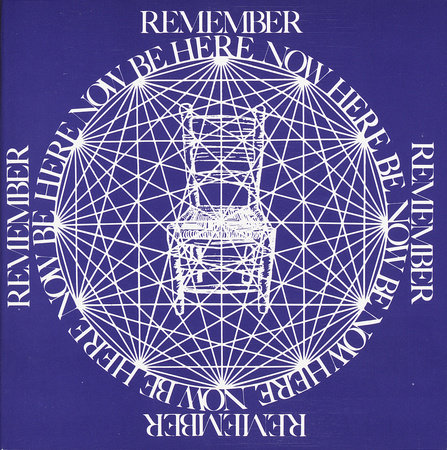
Today most people have heard of yoga and meditation, but I remember when I first took up yoga back in 1972, it was not so widely known. I was first introduced to it from the book “Be Here Now”. It was a very simplistic book, but it was full of ideas, quotes and images, that opened my mind to a world of spiritual thought. It introduced me to yoga, meditation, the concept of vegetarianism, spirituality, and the need of a Guru or Spiritual Master. I began to take seriously ideas that were introduced, such as self realization, living a more pure life, developing our relationship with God, finding out who is God, and finding my spiritual master (guru). So for me, the book was the beginning of my journey, as it was for many, so indeed it was a huge success, it that regard.
Maybe I was sincere, or maybe just lucky, but I soon found my eternal Spiritual Master, His Divine Grace A.C. Bhaktivedanta Swami Prabhupada, and he answered all my questions. He told me who is God (Krsna), what my relationship with him is (sanatan-dharma), the process for self realization (bhakti-yoga), and how to get out of this temporary material world and return home back to Godhead.
When I first began my practice of Yoga, it was purely as a spiritual Practice. Nowadays, people will take it up for many different reasons, such as weight loss, fitness, relaxation, or social acceptance and community. But I still see it as a spiritual practice. The daily asanas, which are good for my ageing body, are an offering, and the breathing is a mindful prayer.
The word Yoga means “Union”. To link our consciousness with a Higher Consciousness.
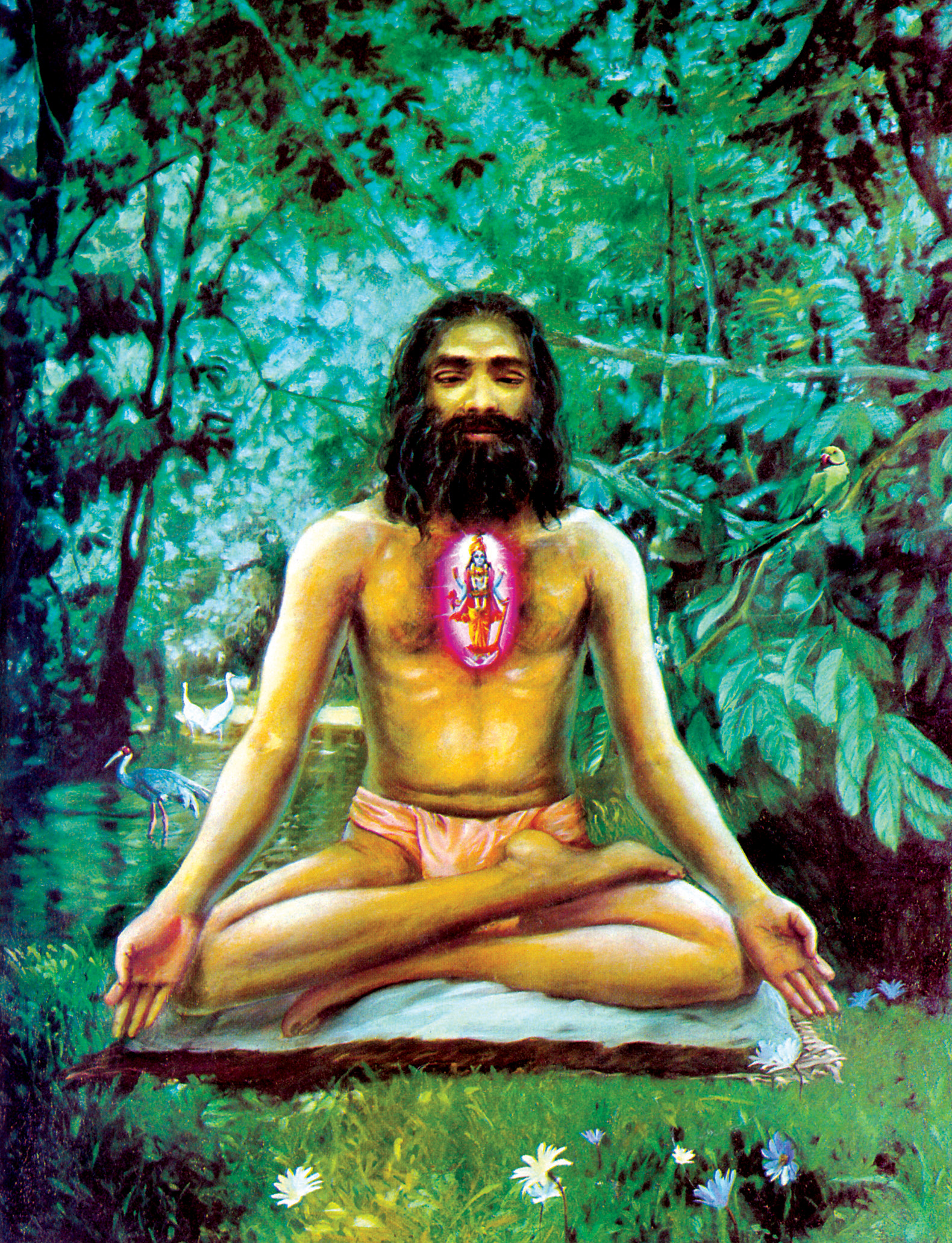
Yoga means “linking” with the Supreme. The Bhagavad-gītā describes several systems—karma-yoga (work), jñāna-yoga (knowledge), dhyāna-yoga (meditation), and aṣṭāṅga-yoga (eightfold path)—but ultimately declares bhakti-yoga, devotional service, to be the highest.
“Of all yogīs, he who always abides in Me with great faith, worshiping Me in transcendental loving service, is most intimately united with Me in yoga, and is the highest of all.” (Bg. 6.47) So one who thinks of the Supreme Lord always is the greatest yogi, the supermost jnani, and the greatest devotee at the same time.
This morning as I was making a breakfast offering, and was offering a nice glass of fresh milk, my mind just seemed to go to this picture of Krsna milking a cow. And I thought ‘milk is such a wonderful food, miraculous really. One can live on milk, and as small children milk is all that is required, and as we develop as yogis, we can subsist on the gifts of God, such as fruits, grains and milk, without a need for killing.
The above picture is one of my very favorites from the Krsna Book, because it is so simple and sweet, and there is a noticeable absence of technology.
The following are two verses from the Bhagavad-gita As It Is describing the healthy diet, and activities of the yogi.
There is no possibility of one’s becoming a yogī, O Arjuna, if one eats too much, or eats too little, sleeps too much or does not sleep enough.
He who is temperate in his habits of eating, sleeping, working and recreation can mitigate all material pains by practicing the yoga system. (Bg. 6.16-17)
This morning as I was finishing the Tenth Chapter of the Second Canto, the following verse and purport jumped out at me from the pages. And I realized for the thousandth time, what great good fortune we have in that we can hear directly from the pure devotee of the Lord, about the eternal pastimes of the Lord, through the pages of the Srimad Bhagavatam.
Of the three types of Transcendentalist’s, namely the jñānī, the yogī and the bhakta, or the impersonalist, the meditator and the devotee. It is only the devotee who can factually know the Lord as He is and thus be trained in the bona fide service of the Lord and be allowed to enter into the direct association of the Lord in so many capacities. The highest glorious association with the Lord is made possible in the planet of Goloka Vṛndāvana, where Lord Kṛṣṇa enjoys Himself with the gopīs and His favorite animals, the surabhi cows.
… The impersonalist is satisfied simply by understanding the all-pervasive influence of the Lord. This is called Brahman realization. Greater than the impersonalist is the mystic who sees the Lord situated in his heart as Paramātmā, the partial representation of the Lord. But there are pure devotees who take part in the direct pleasure (ānanda) potency of the Lord by factual reciprocation of loving service. The Lord in His abode called the Vaikuṇṭha planets, which are eternal manifestations, always remains with His associates and enjoys transcendental loving services by His pure devotees in different transcendental humors.
So we are pleased to present the following Texts and Purports
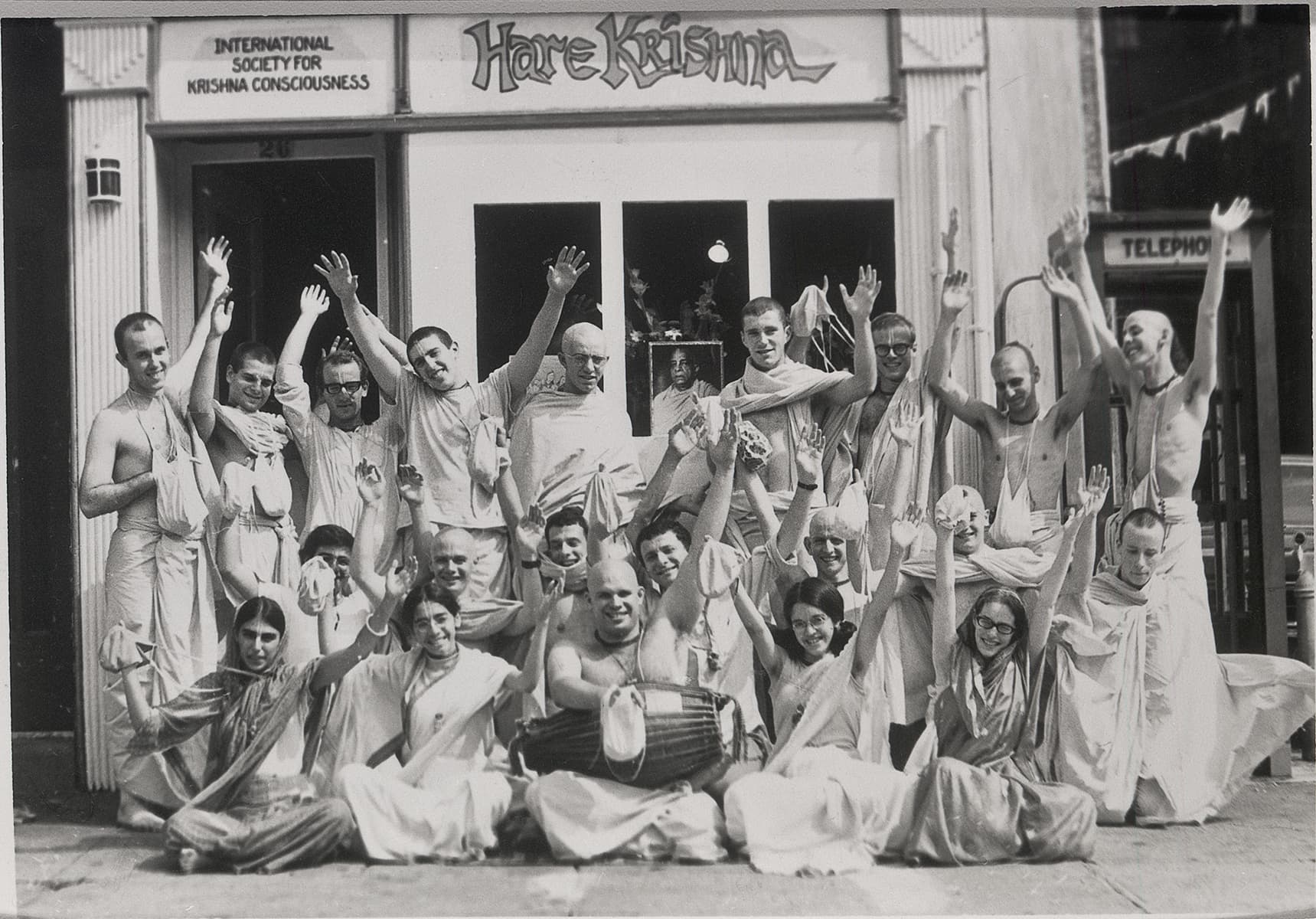
It has been interesting to see how this Hare Krishna Movement (ISKCON) has changed and developed since the early days. When this movement started it was like a family, a small family of dedicated devotees, with one scripture, one God (Krsna), one mantra (Hare Krishna, Hare Krishna, Krishna Krishna, Hare Hare, Hare Rama, Hare Rama, Rama Rama, Hare Hare), and one spiritual master (Srila Prabhupada). Then it became an International family with branches all around the world.
Now this society has become a huge movement, with new temples and congregations springing up all over the world, with different branches and camps, and so many new Spiritual Masters. It is inspiring to see the growth of this society, even though at times does not resemble the Original. What with the changes to our sacred books, and outside influences from all sides. It has created some division amongst our ranks. But there is one thing we can all agree on is, and I quote from the last paragraph from the introduction of the Bhagavad-gita:
“In this present day, man is very eager to have one scripture, one God, one religion, and one occupation. So let there be one common scripture for the whole world-Bhagavad-gītā. And let there be one God only for the whole world-Śrī Kṛṣṇa. And one mantra only-Hare Kṛṣṇa, Hare Kṛṣṇa, Kṛṣṇa Kṛṣṇa, Hare Hare/ Hare Rāma, Hare Rāma, Rāma Rāma, Hare Hare. And let there be one work only-the service of the Supreme Personality of Godhead.“
The Branches of the Caitanya Tree
Thus the branches of the Caitanya tree formed a cluster or society, with great branches covering all the universe. (Sri Caitanya-caritmrta Adi 9.18)
PURPORT
Our International Society for Krishna Consciousness is one of the branches of the Caitanya tree.
Śrī Caitanya Mahaprabhu was also the gardener, and as He poured the water of His mercy on the tree, all the branches and subbranches grew, day after day. (Adi 12.5)
The fruits of love of Godhead that grew on those branches of the Caitanya tree were so large that they flooded the entire world with love of Krsna. (Adi 12.6)
Sometimes when I am sitting and reading from Srila Prabhupada’s Srimad Bhagavatam, a verse or sentence from the purport just jumps out from the page almost like it is in 3D, and I catch a glimpse of what the Spiritual World must be like. It is beyond even my imagination, but sometimes I catch a glimmer of light, through a transcendental window, by the grace of my spiritual master His Divine Grace A. C. Bhaktivedanta Swami Prabhupada.
…The transcendental abode of the Lord where the trees are all desire trees and the buildings are made of touchstone. The Lord Govinda is engaged there in herding the surabhi cows as His natural occupation.
“I worship Govinda, the primeval Lord, the first progenitor who is tending the cows, yielding all desire, in abodes built with spiritual gems, surrounded by millions of purpose trees, always served with great reverence and affection by hundreds of thousands of lakṣmīs or gopīs.” (Bs 5.29)
…The Lord Govinda is engaged there in herding the surabhi cows as His natural occupation. And those who are artists, overtaken by the beautiful creation, should better see to the beautiful face of the Lord for complete satisfaction. The face of the Lord is the embodiment of beauty. What they call beautiful nature is but His smile, and what they call the sweet songs of the birds are but specimens of the whispering voice of the Lord.
I remember some years ago (1979), Bob Dylan released this song entitled “Gotta Serve Somebody”. I’m sure many of you remember it.
[Chorus] But you’re going to have to serve somebody, yes indeed You’re going to have to serve somebody Well, it may be the devil or it may be the Lord But you’re going to have to serve somebody
I chose to serve the Lord, Krishna. Service ts our eternal nature, our dharma. And like Bob says “You’re going to have to serve somebody”
The following are some quotes from the Srimad Bhagavatam, ant the Bhagavad-gita, on our eternal relationship (sanātana-dharma) with the Lord.
At the last stage of one’s life, one should be bold enough not to be afraid of death. But one must cut off all attachment to the material body and everything pertaining to it and all desires thereof. (SB 2.1.15)
The foolishness of gross materialism is that people think of making a permanent settlement in this world, although it is a settled fact that one has to give up everything here that has been created by valuable human energy. Great statesmen, scientists, philosophers, etc., who are foolish, without any information of the spirit soul, think that this life of a few years only is all in all and that there is nothing more after death. This poor fund of knowledge, even in the so-called learned circles of the world, is killing the vitality of human energy, and the awful result is being keenly felt. And yet the foolish materialistic men do not care about what is going to happen in the next life. The preliminary instruction in the Bhagavad-gītā is that one should know that the identity of the individual living entity is not lost even after the end of this present body, which is nothing but an outward dress only. As one changes an old garment, so the individual living being also changes his body, and this change of body is called death. Death is therefore a process of changing the body at the end of the duration of the present life. An intelligent person must be prepared for this and must try to have the best type of body in the next life. The best type of body is a spiritual body, which is obtained by those who go back to the kingdom of God or enter the realm of Brahman. (from purport)
Today we celebrate the appearance day of Sri Caitanya Mahaprabhu. We honor His appearance with a full day fast (until moon rise), followed by a special vegetarian feast. Also to honor the Lord’s appearance day, we have selected a few verses from the Sri Caitanya-caritmra.
Sri Caitanya-caritamrta 1975 Edition By His Divine Grace A. C. Bhaktivedanta Swami Madhya-lila,Chapter 19, Text 53 & 54
“O most munificent incarnation! You are Kṛṣṇa Himself appearing as Śrī Kṛṣṇa Caitanya Mahāprabhu. You have assumed the golden color of Śrīmatī Rādhārāṇī, and You are widely distributing pure love of Kṛṣṇa. We offer our respectful obeisances unto You.
“We offer our respectful obeisances unto that merciful Supreme Personality of Godhead who has converted all three worlds, which were maddened by ignorance, and saved them from their diseased condition by making them mad with the nectar from the treasure-house of love of God. Let us take full shelter of that Personality of Godhead, Śrī Kṛṣṇa Caitanya, whose activities are wonderful.”
This morning as I was waking up, I was reminded that just yesterday, America and Israel declared war on Iran.
As much as I would like not to meditate on politics, it almost seems unavoidable, because it affects us all.
People are suffering, and starving and dying everyday in places like Ukraine, Gaza, Venezuela, Iran, and not to mention thousands of other places in the world.
It is too easy to just look away, and write it off as Karma.
As a devotee, I try to see this world through the lens of the Vedas, particularly the Bhagavad-gita and the Srimad Bhagavatam.
And I was thinking how different we all are, but connected as well; brothers and sisters, parents and children, friends and neighbors. All connected like drops of water in the ocean, or sparks from the same fire.
I went to the seventh chapter of the Bhagavad-gita, entitled “Knowledge of the Absolute”, in hopes of a better understanding of world events.
na māṁ duṣkṛtino mūḍhāḥ prapadyante narādhamāḥ māyayāpahṛta-jñānā āsuraṁ bhāvam āśritāḥ
na—not; mām—unto Me; duṣkṛtinaḥ—miscreants; mūḍhāḥ—foolish; prapadyante—surrender; narādhamāḥ—lowest among mankind; māyayā—by the illusory energy; apahṛta—stolen by illusion; jñānāḥ—knowledge; asuram—demonic; bhāvam—nature; āśritāḥ—accepting.
TRANSLATION
Those miscreants who are grossly foolish, lowest among mankind, whose knowledge is stolen by illusion, and who partake of the atheistic nature of demons, do not surrender unto Me. (Bg. 7.15)
When we speak of yoga we refer to linking up our consciousness with the Supreme Absolute Truth. Such a process is named differently by various practitioners in terms of the particular method adopted. When the linking up process is predominantly in fruitive activities, it is called karma-yoga, when it is predominantly empirical, it is called jñāna-yoga, and when it is predominantly in a devotional relationship with the Supreme Lord, it is called bhakti-yoga. Bhakti-yoga or Kṛṣṇa consciousness is the ultimate perfection of all yogas, as will be explained in the following verse.
And of all yogīs, he who always abides in Me with great faith, worshiping Me in transcendental loving service, is most intimately united with Me in yoga and is the highest of all. (Bhagavad-gita 6.47)
The culmination of all kinds of yoga practices lies in bhakti-yoga. All other yogas are but means to come to the point of bhakti in bhakti-yoga. Yoga actually means bhakti-yoga; all other yogas are progressions toward the destination of bhakti-yoga. From the beginning of karma-yoga to the end of bhakti-yoga is a long way to self-realization. Karma-yoga, without fruitive results, is the beginning of this path. When karma-yoga increases in knowledge and renunciation, the stage is called jñāna-yoga. When jñāna-yoga increases in meditation on the Supersoul by different physical processes, and the mind is on Him, it is called aṣṭāṅga-yoga. And, when one surpasses the aṣṭāṅga-yoga and comes to the point of the Supreme Personality of Godhead Kṛṣṇa, it is called bhakti-yoga, the culmination. Factually, bhakti-yoga is the ultimate goal, but to analyze bhakti-yoga minutely one has to understand these other yogas. The yogī who is progressive is therefore on the true path of eternal good fortune. One who sticks to a particular point and does not make further progress is called by that particular name: karma-yogī, jñāna-yogī or dhyāna-yogī, rāja-yogī, haṭha-yogī, etc. If one is fortunate enough to come to the point of bhakti-yoga, it is to be understood that he has surpassed all the other yogas. Therefore, to become Kṛṣṇa conscious is the highest stage of yoga, just as, when we speak of Himalayan, we refer to the world’s highest mountains, of which the highest peak, Mount Everest, is considered to be the culmination.
One of the most used books in our temple room is the songbook. Everyday it seems, I am flipping through the “Songs of the Vaisnava Acaryas”, singing one of the many songs or reciting some of the numerous pranams (prayers) as part of my daily sadhana. The following post is the first 13 pages of songbook, which in my mind is a nice way to start the day and is a good prelude to other devotional service.
Pranams from the Songs of the Vaisnava Acaryas
SRI GURU PRANAMA
om ajnana-timirandhasya jnananjana-salakaya caksur unmilitam yena tasmai sri-gurave namah
om-address; ajnana-of ignorance; timira-by the darkness; andhasya-of one who was blinded; jnana-anjana-by the ointment of spiritual knowledge; salakaya-by a medical instrument called a salaka, which is used to apply medical ointment to eyes afflicted with cataracts: caksuh-eyes; unmilitam-were opened; yena-by whom; tasmai-unto him; sri-gurave-unto my spiritual master; namah-obeisances.
I offer my respectful obeisances unto my spiritual master, who has opened my eyes, which were blinded by the darkness of ignorance, with the torchlight of knowledge.
SRI RUPA PRANAMA
sri-caitanya-mano-‘bhistam sthapitum yena bhtu-tale svayam rupah kada mahyam dadati sva-padantikam
sri-caitanya-of Lord Caitanya; manah- mind; abhistam-what is desired; sthapitam-established; yena-by whom; bhu-tale-on the surface of the globe; svayam-himself; rupah-Srila Rupa Gosvami; kada-when; mahyam-unto me; dadati-will give; sva-his own; pada-lotus feet; antikam-proximity to.
When will Srila Rupa Gosvami Prabhupada, who has established within this material world the mission to fulfill the desire of Lord Caitanya, give me shelter under his lotus feet?
MANGALACARANA
vande ‘ham sri-guroh sri-yuta-pada-kamalam sri-gurun vaisnavams’ ca sri-rupam sagrajatam saha-gana-raghunathanvitam tam sa jivam sadvaitam savadhutam parijana-sahitam krsna-caitanya-devam sri-radha-krsna-padan saha-gana-lalita-sri-visakhanvitams’ ca
vande–offer my respectful obeisances; aham–I; sri-guroh–of my spiritual master; sri-yuta-pada-kamalam–unto the lotus feet; sri-gurun–unto the spiritual masters; vaisnavan–unto all the Vaisnavas; ca–and; sri-rupam–unto Srila Rupa Gosvami; sa-agra-jatam–with his elder brothers Sri Sanatana Gosvami; saha-gana-raghunatha-anvitam–with Raghunatha Dasa Gosvami and his associates; tam–unto him; sajivam–with Jiva Gosvami; sa- advaitam–with Advaita Acarya; sa-avadhutam–with Nityananda Prabhu; parijana-sahitam–and with Srivasa Thakura and all the other devotees; krsna-caitanya-devam–unto Lord Sri Caitanya Mahaprabhu; sri-radha-krsna-padan–unto the lotus feet of Radha and Krsna, saha-gana–with associates; lalita-sri-visakha-anvitan–accompanied by Lalita and Sri Visakha; ca–also.
“I offer my respectful obeisances unto the lotus feet of my spiritual master and unto the feet of all Vaisnavas. I offer my respectful obeisances unto the lotus feet of Srila Rupa Gosvaml, along with his elder brother Sanatana Gosvami, as well as Raghunatha Dasa , Raghunatha Bhatta, Gopal Batta and Srila Jiva Gosvami. I offer my respectful obeisances to Lord Sri Caitanya Mahaprabhu and Lord Nityananda along with Advaita Acarya, Gadadhara, Srivasa, and other associates. I offer my respectful obeisances to Srimati Radharani and Sri Krsna along with Their associates Sri Lalita and Visakha.”
Most of us have an understanding of “The age of Kali”. There is a nice article at the bottom of this post taken fro Back to Godhead Magizine, wherein Srila Prabhupada lectures on the “Predictions for the Age of Hypocrisy” But an interesting post appeared on Facebook recently, “How Can Kali Destroy ISKCON”, posted by Govinda dasi we share with you.
tatas canu-dinam dharmah satyam saucam ksama daya kalena balina rajan nanksyaty ayur balam smrtih
“My dear King, with each day religion, truthfulness, cleanliness, forgiveness, mercy, duration of life, bodily strength, and memory will all decrease more and more by the mighty force of time.” (Srimad-Bhagavatam 12.2.1)
So here Sukadeva Gosvami is describing the chief symptoms of this age. He says, tatas canudinam: with the progress of this age (Kali-yuga), dharma, religious principles; satyam, truthfulness; saucam, cleanliness; ksama, forgiveness; daya, mercifulness; ayur, duration of life; balam, bodily strength; smrti, memory—these eight things will gradually decrease to nil or almost nil.
How Can Kali Destroy ISKCON
We have heard it all about how Kali entered ISKCON. Here is a detailed, crystal-clear analysis from my good friend. Remember, where there is a disease, there is a cure, which Srila Prabhupada prescribed: “Your love for me will be shown by how you cooperate with one another.” and all its auxiliaries. And don’t say that because it’s AI, it is not valid. Then stay ignorant. Note this. AI gives solid, substantial research of available sources and spits out realized instructions that you will not hear from, adored by the ordinary public, esteemed and prominent preachers, who at best have nothing to say, talk trash, or worse, go against Srila Prabhupada in a covert way.
My question to AI: If you would be the demon Kali how would you destroy ISKCON?
Answer: In Hindu eschatology, the demon Kali (the personification of the Kali-yuga) does not destroy through brute force or external warfare. Kali’s power lies in Dharma-vyadha—the corruption of righteousness from within.
If I were to approach this from the perspective of that archetypal energy, the strategy to dismantle an organization like ISKCON would not be to attack it, but to “poison the roots” by encouraging the four specific vices Kali resides in, as described in the Srimad Bhagavatam.
According to the texts, Kali resides where there is: gambling, intoxication, illicit sex, and animal slaughter. To destroy a spiritual movement, Kali would work to subtly integrate these or their psychological equivalents into the structure:
1. The Corruption of “Truth” (Gambling)
I would encourage intellectual gambling. This means moving away from the “Absolute Truth” of the shastra (scriptures) and instead fostering speculation and corporate politics. By making the leadership more concerned with “winning” organizational power struggles than with spiritual realization, the internal trust—the glue of the movement—would dissolve into suspicion.
2. The Loss of “Austerity” (Intoxication)
I wouldn’t use drugs; I would use the intoxication of prestige. I would make the followers drunk on the idea of being “chosen” or “spiritually superior.” When pride takes over, austerity (the discipline of the mind and senses) vanishes. A movement that seeks fame (pratistha) more than purity is already hollowed out.
3. The Loss of “Cleanliness” (Illicit Connection)
I would foster hypocrisy. By creating a culture where external appearance is strictly monitored but internal struggles are buried in shame, I would create a pressure cooker. When scandals are covered up rather than addressed with “cleanliness” (honesty and accountability), the moral authority of the movement collapses in the eyes of the public and the youth.
4. The Loss of “Mercy” (Cruelty)
I would replace compassion with bureaucracy. I would make the institution so rigid and focused on “rules” and “management” that it forgets to be merciful to its members. When the devotees feel like cogs in a machine rather than souls being cared for, they will naturally drift away, feeling spiritually starved.
The Ultimate Weapon: Internal Strife
In the Puranas, Kali’s greatest success is Bheda (division).
The Strategy: Split the organization into “liberal” and “conservative” camps.
The Result: Instead of chanting the names of God, they would spend their energy arguing with each other on the internet.
The “Kali-yuga” way to destroy ISKCON is simply to wait for it to forget its essence and become just another worldly business.
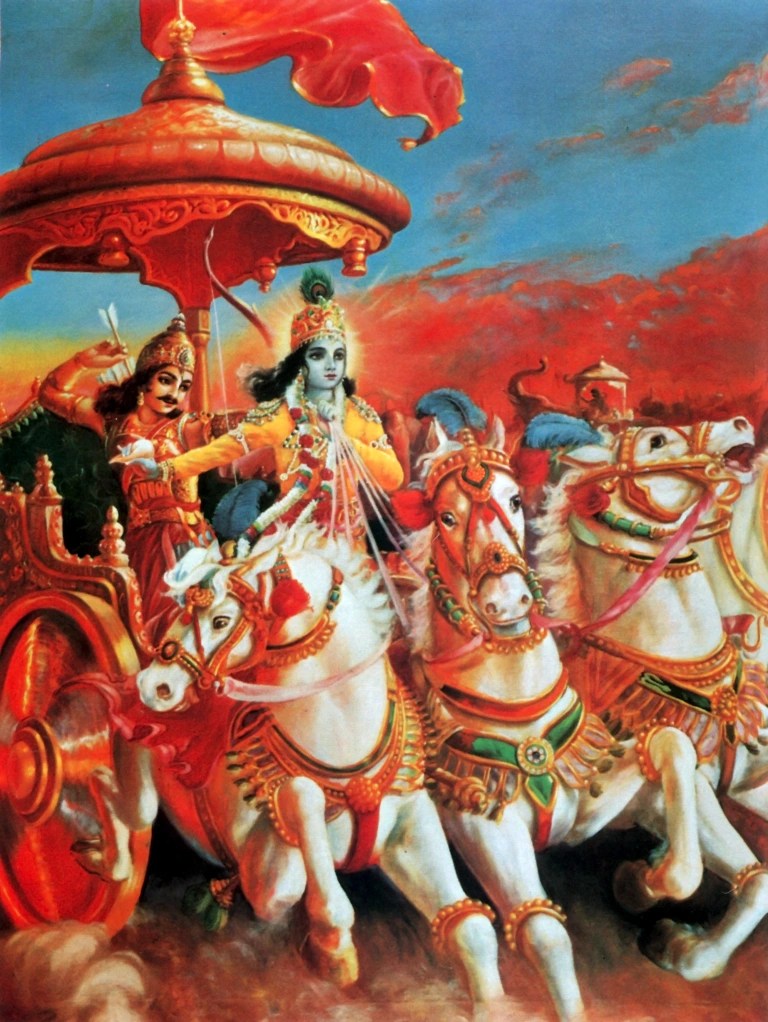
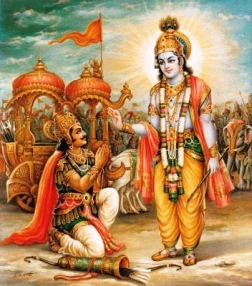
Whenever I think about the Bhagavad-gita, this image comes to mind. It is the “Song of God”, the words spoken by the Supreme Personality of Godhead to His dear friend and disciple Arjuna.
Bhagavad-gītā As It Is 1972 Edition By His Divine Grace A. C. Bhaktivedanta Swami Prabhupāda Chapter Ten, Text 12-13
Arjuna said: You are the Supreme Brahman, the ultimate, the supreme abode and purifier, the Absolute Truth and the eternal divine person. You are the primal God, transcendental and original, and You are the unborn and all-pervading beauty. All the great sages such as Nārada, Asita, Devala, and Vyāsa proclaim this of You, and now You Yourself are declaring it to me.
PURPORT
In these two verses the Supreme Lord gives a chance to the modern philosopher, for here it is clear that the Supreme is different from the individual soul. Arjuna, after hearing the essential four verses of Bhagavad-gītā in this chapter, became completely free from all doubts and accepted Kṛṣṇa as the Supreme Personality of Godhead. He at once boldly declares, “You are Parambrahma, the Supreme Personality of Godhead.” And previously Kṛṣṇa states that He is the originator of everything and everyone. Every demigod and every human being is dependant on Him. Men and demigods, out of ignorance, think that they are absolute and independant of the Supreme Lord Kṛṣṇa. That ignorance is removed perfectly by the discharge of devotional service. This is already explained in the previous verse by the Lord. Now by His grace, Arjuna is accepting Him as the Supreme Truth, in concordance with the Vedic injunction. It is not because Kṛṣṇa is an intimate friend of Arjuna that he is flattering Him by calling Him the Supreme Personality of Godhead, the Absolute Truth. Whatever Arjuna says in these two verses is confirmed by Vedic truth. Vedic injunctions affirm that only one who takes to devotional service to the Supreme Lord can understand Him, whereas others cannot. Each and every word of this verse spoken by Arjuna is confirmed by Vedic injunction.
People often think that The Hare Krishna Movement (ISKCON) is a Hindu Religion, but it is not. Sometime back in 1968, one reporter asked Srila Prabhupada, “What is this Hare Krishna Movement?”. Srila Prabhupada replied: “We are not a buissness , we are not a Religion”.
…I am not very interested to establish a Hindu temple. Perhaps you know from the very beginning I never described my movement as Hindu religion. Religion means the bona fide process by which we understand God and the first class religion is that which teaches people to develop love for God. To know or accept the authority of God is one thing, but to love God is another. Generally, people are interested in material comforts and they make God as the supplying agent. This kind of devotion is not purified. It is contaminated by material desires, but when one is elevated to the position of giving everything to God out of love and affection, that is the first class position. We are teaching this philosophy in the name of Krishna Consciousness, and it is applicable to all sober persons. The Bhagavat principle is that because we can be happy simply by developing our dormant love of God, this is our first business. (Letter to: Mukunda June 3, 1969)
In the eighteenth Chapter of Bhagavad-gita, Lord Krishna in conclusion states:
Abandon all varieties of religion and just surrender unto Me. I shall deliver you from all sinful reaction. Do not fear. (Bg 18.66)
PURPORT
The Lord has described various kinds of knowledge, processes of religion, knowledge of the Supreme Brahman, knowledge of the Supersoul, knowledge of the different types of orders and statuses of social life, knowledge of the renounced order of life, knowledge of nonattachment, sense and mind control, meditation, etc. He has described in so many ways different types of religion. Now, in summarizing Bhagavad-gītā, the Lord says that Arjuna should give up all the processes that have been explained to him; he should simply surrender to Kṛṣṇa. That surrender will save him from all kinds of sinful reactions, for the Lord personally promises to protect him.