05 Jan 2012
by The Hare Krishna Movement
in A.C. Bhaktivedanta Swami Prabhupada, Bhagavad-gita, Krishna Consciousness, Yoga
Tags: bhagavad-gita, bhajete, His Divine Grace A.C. Bhaktivedanta Swami Prabhupada, Krishna, Krishna consciousness, prabhupada, yoga, yogi, yoginam api sarvesam

It is by great fortune that one comes to Kṛṣṇa consciousness on the path of bhakti-yoga to become well situated according to the Vedic direction. The ideal yogī concentrates his attention on Kṛṣṇa, who is called Śyāmasundara, who is as beautifully colored as a cloud, whose lotus-like face is as effulgent as the sun, whose dress is brilliant with jewels and whose body is flower garlanded. Illuminating all sides is His gorgeous luster, which is called the brahmajyoti. He incarnates in different forms such as Rāma, Nṛsiṁha, Varāha and Kṛṣṇa, the Supreme Personality of Godhead, and He descends like a human being, as the son of Mother Yaśodā, and He is known as Kṛṣṇa, Govinda and Vāsudeva. He is the perfect child, husband, friend and master, and He is full with all opulences and transcendental qualities. If one remains fully conscious of these features of the Lord, he is called the highest yogī.
Bhagavad-gita As It Is – Macmillan 1972 Edition
By His Divine Grace A.C. Bhaktivedanta Swami Prabhupada
Chapter 6, Text 47
yoginām api sarveṣāṁ
mad-gatenāntar-ātmanā
śraddhāvān bhajate yo māṁ
sa me yuktatamo mataḥ
yoginām—of all yogīs; api—also; sarveṣām—all types of; mat-gatena—abiding in Me; antaḥ-ātmanā—always thinking of Me within; śraddhāvān—in full faith; bhajate—renders transcendental loving service; yaḥ—one who; mām—Me (the Supreme Lord); saḥ—he; me—Mine; yuktatamaḥ—the greatest yogī; mataḥ—is considered.
Translation
And of all yogīs, he who always abides in Me with great faith, worshiping Me in transcendental loving service, is most intimately united with Me in yoga and is the highest of all.
More
03 Jan 2012
by The Hare Krishna Movement
in Srila Prabhupada, The Hare Krishna Movement
Tags: Bhagavad=gita, Founder Acarya of the International Society for Krishna Consciousness, His Divine Grace A.C. Bhaktivedanta Swami Prabhupada, Krishna, Sri Caitanya, Srila Prabhupada, Srimad Bhagavatam, The Hare Krishna Movement

…Krishna says in the Bhagavad-gita, “one who teaches this most confidential knowledge to others is very dear to Me.” Through his translations of Vedic texts such as the Bhagavad-gita, Srimad Bhagavatam, and the Sri Chaitanya-caritamrita, Srila Prabhupada taught others the instructions of Lord Krishna in a way that was understandable to all…
Srila Prabhupada is a Friend to All
Author unknown
His Divine Grace A.C. Bhaktivedanta Swami, more affectionately known as Srila Prabhupada, is the Founder Acarya of the International Society for Krishna Consciousness, ISKCON, or more popularly known as The Hare Krishna Movement. The movement was inaugurated in India by Lord Caitanya almost five hundred years ago. The age that we currently live in is full of quarrel and dissent and the only means of self-realization is through the constant chanting of the holy name of God.
The Hare Krishna mantra, “Hare Krishna, Hare Krishna, Krishna Krishna, Hare Hare, Hare Rama, Hare Rama, Rama Rama, Hare Hare”, is found in the ancient scriptures of India, and is the most powerful of mantras in this age since it directly addresses God and His energy in a loving way. Lord Chaitanya freely distributed this mantra to all of India through congregational chanting. Srila Prabhupada, a spiritual master in the disciplic succession descending from Lord Chaitanya, preached this same movement in the mid 1960s beginning in America and eventually spreading throughout the world.
More
02 Jan 2012
by The Hare Krishna Movement
in Cow Protection
Tags: Care For Cows, Care for Cows newsletter, cow protection, Kalyan Kalpataru, Kurma Rupa dasa, Vrindavan
Care For Cows
By Kurma Rupa dasa
Jan 01, 2012 — VRINDAVAN, INDIA (SUN)
Dear Friends, Jai Govinda!
Our January 2012 Care for Cows Newsletter has been posted. Please review it http://careforcows.org/downloads/newsletters_0 at your earliest convenience. In this edition of 22 pages (2.2 MB), we present reports on:
1. Basu Ghosh’s visit to the Bansi Gir Goshalla in Amedhabad, Gujarat.
2. The four new residents admitted this month.
3. A study which demonstrates that cows select best friends.
4. The practical ways to determine if and when your cow is in heat.
5. An excerpt from the famous Kalyana Kalpataru Volume IX February 1945.
Thanks for your participation and support. I hope this finds you experiencing the happiness and inner satisfaction that accompanies cow protection.
Jaya Sri Gopal!
Your friend and servant,
Kurma Rupa dasa
careforcows.org
Pasted from http://www.harekrsna.com/sun/news/01-12/news4112.htm
02 Jan 2012
by The Hare Krishna Movement
in Back to Godhead, Caitanya Mahaprabhu, Chanting Hare Krishna, Hare Krishna Maha Mantra, Sri Siksastakam, Subaldasa Swami, The Hare Krishna Movement
Tags: His Divine Grace A.C. Bhaktivedanta Swami Prabhupada, Krsna consciousness movement, Lord Caitanya, Lord Krsna Caitanya Mahaprabhu, Madhva-Gaudiya-Sampradaya, Sri Siksastakam, Subaldasa Swami

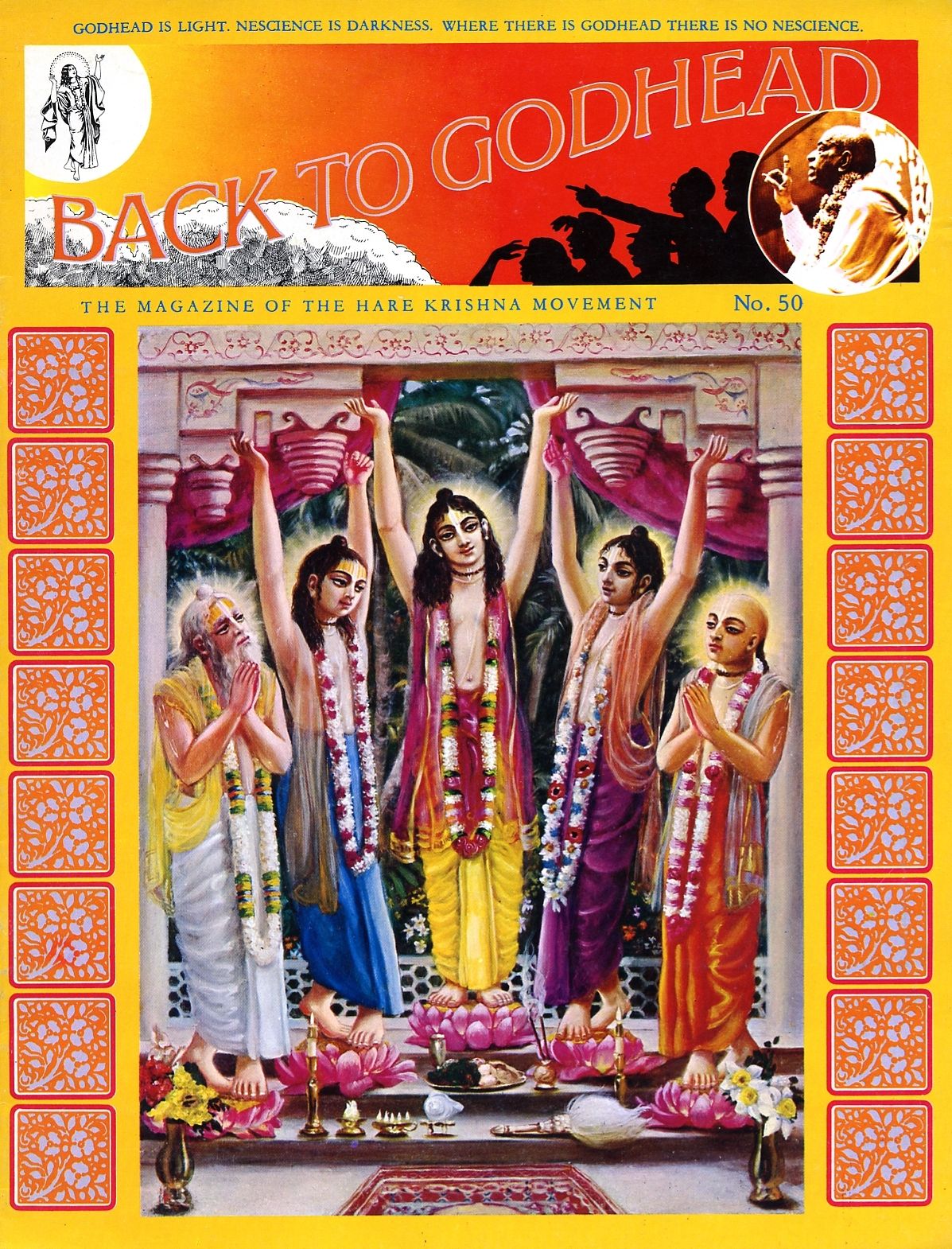
Click on image to enlarge
Lord Caitanya’s Mission and Precepts
Excerpted from ‘Back To Godhead’ magazine, 1973 Vol. 1, No. 49 & 50
As foretold in Vedic scriptures, the Supreme Personality of Godhead appeared on earth 500 years ago in the form of Lord Caitanya, who is God Himself playing the role of a devotee of Godhead. The eight verses entitled Sri Sri Siksastakam, which were the only written instructions of Lord Caitanya, reveal the essence of the Krsna consciousness movement.
Sri Sri Siksastakam
by Sri Krsna Caitanya Mahaprabhu
translated by His Divine Grace A.C. Bhaktivedanta Swami Prabhupada
with purports by His Holiness Subaldasa Svami
1.
ceto-darpana-marjanam bhava-mahadavagni-nirvapanam
sreyah kairava-candrikavitaranam vidyavadhujivanam
anandambudhi-vardhanam pratipadam purnamrtasvadanam
sarvatma-snapanam param vijayate sri-krsna-sankirtanam
Translation
Glory to the Sri Krsna sankirtana, which cleanses the heart of all the dust accumulated for years and extinguishes the fire of conditional life, of repeated birth and death. This sankirtana movement is the prime benediction for humanity at large because it spreads the rays of the benediction moon. It is the life of all transcendental knowledge. It increases the ocean of transcendental bliss, and it enables us to fully taste the nectar for which we are always anxious.
More
01 Jan 2012
by The Hare Krishna Movement
in Bhagavad-gita, Time
Tags: Arjuna, As It Is 1972 Edition, bhagavad-gita, His Divine Grace A.C. Bhaktivedanta Swami Prabhupada, Krishna, past present and future, Srila Prabhupada, supersoul, supreme soul

…Anyone with a material body cannot remember his past life, nor can he foretell his future life, nor can he predict the outcome of his present life; therefore he cannot know what is happening in past, present and future. Unless one is liberated from material contamination, he cannot know past, present and future.
…out of millions and millions of men, some try to become perfect in this human form of life, and out of thousands and thousands of such perfected men, hardly one can understand what Lord Kṛṣṇa is. Even if one is perfected by realization of impersonal Brahman or localized Paramātmā, he cannot possibly understand the Supreme Personality of Godhead, Śrī Kṛṣṇa, without being in Kṛṣṇa consciousness.
Bhagavad-gita As It Is 1972 Edition
By His Divine Grace A.C. Bhaktivedanta Swami Prabhupada
Chapter 7, Text 26
vedāhaṁ samatītāni
vartamānāni cārjuna
bhaviṣyāṇi ca bhūtāni
māṁ tu veda na kaścana
veda—know; aham—I; sama—equally; atītāni—past; vartamānāni—present; ca—and; arjuna—O Arjuna; bhaviṣyāṇi—future; ca—also; bhūtāni—living entities; mām—Me; tu—but; veda—knows; na—not; kaścana—anyone.
Translation
O Arjuna, as the Supreme Personality of Godhead, I know everything that has happened in the past, all that is happening in the present, and all things that are yet to come. I also know all living entities; but Me no one knows.
Purport
Here the question of personality and impersonality is clearly stated. If Kṛṣṇa, the form of the Supreme Personality of Godhead, is considered by the impersonalists to be māyā, to be material, then He would, like the living entity, change His body and forget everything in His past life. Anyone with a material body cannot remember his past life, nor can he foretell his future life, nor can he predict the outcome of his present life; therefore he cannot know what is happening in past, present and future. Unless one is liberated from material contamination, he cannot know past, present and future.
More
31 Dec 2011
by The Hare Krishna Movement
in Bhagavad-gita, Time
Tags: Bg 10.33, Bg. 10.30, Bg. 11.32, bhagavad-gita, Bhaktivedanta Swami Prabhupada, His Divine Grace A.C, I am time, inexhaustable time, Krishna is Time, New Years Eve, Time, Time I Am

Happy New Year to all of our readers. Krishna has this to say about Time…
More
29 Dec 2011
by The Hare Krishna Movement
in Srimad Bhagavatam, Teachings of Queen Kunti
Tags: ancient India, BBT, His Divine Grace A.C. Bhaktivedanta Swami Prabhupada, Indias's grand epic poem, King Pandu, Kunti, Kuruksetra War, Mahabharata, Pandavas, Srimad Bhagavatam, Teachings of Queen Kunti

We begin a new series by offering the Teachings of Queen Kunti in weekly installments. We begin today with the Introduction to this wounderful book.
As they appear in the First Canto of the Bhāgavatam, Queen Kuntī’s celebrated prayers consist of only twenty-six couplets (verses 18 through 43 of the Eighth Chapter), yet they are considered a philosophical, theological, and literary masterpiece. The present book (Teachings of Queen Kuntī) includes those inspired verses and illuminating commentary by His Divine Grace A. C. Bhaktivedanta Swami Prabhupāda, Founder-Ācārya of the International Society for Krishna Consciousness and the most renowned Vedic scholar and spiritual leader of our time. In addition to this commentary (originally written in 1962), Teachings of Queen Kuntī contains further explanations that Śrīla Prabhupāda gave more recently in an absorbing series of lectures. In those memorable talks, delivered in the spring of 1973 at ISKCON’s Western world headquarters in Los Angeles, he analyzed the verses in significantly greater detail and shed even more light upon them.
Teachings of Queen Kuntī By His Divine Grace A.C. Bhaktivedanta Swami Prabhupada
Introduction
The tragic and heroic figure of Queen Kuntī emerges from an explosive era in the history of ancient India. As related in theMahābhārata, India’s grand epic poem of 110,000 couplets, Kuntī was the wife of King Pāṇḍu and the mother of five illustrious sons known as the Pāṇḍavas. As such, she was one of the central figures in a complex political drama that culminated fifty centuries ago in the Kurukṣetra War, a devastating war of ascendancy that changed the course of world events. The Mahābhārata describes the prelude to the holocaust as follows:
More
28 Dec 2011
by The Hare Krishna Movement
in Krishna Consciousness, KRSNA The Supreme Personality of Godhead, Srimad Bhagavatam
Tags: gopis, His Divine Grace A.C. Bhaktivedanta Swami Prabhupada, Krishna, Krsna The Supreme Personality of Godhead, rasa dance, remembering Krishna, Syamarani, Vrindavan

In the previous article, Srila Prabhupada is describing the nine types of devotional service recommended ….(hearing, chanting, remembering, worshiping, praying, serving, engaging as a servitor of the Lord, establishing friendly relations with the Lord, offering everything to the Lord). These are all easy to practice and should be joyfully performed. So with this in mind we are posting one of Krishna’s unlimited pastimes, to help us in remembering the Lord.
Both the gopīs and Kṛṣṇa entered the water of the Yamunā just to relieve their fatigue from the rāsa dance. The lily flower garlands around the necks of the gopīs were strewn to pieces due to their embracing the body of Kṛṣṇa, and the flowers were reddish from being smeared with the kuṅkuma on their breasts. The bumblebees were humming about in order to get honey from the flowers. Kṛṣṇa and the gopīs entered the water of Yamunā just as an elephant enters a water tank with his many female companions. Both the gopīs and Kṛṣṇa forgot their real identity, playing in the water, enjoying each others’ company and relieving the fatigue of rāsa dancing. The gopīs began to splash water on the body of Kṛṣṇa, all the while smiling, and Kṛṣṇa enjoyed this. As Kṛṣṇa was taking pleasure in the joking words and splashing water, the demigods in the heavenly planets began to shower flowers. The demigods thus praised the superexcellent rāsa dance of Kṛṣṇa, the supreme enjoyer, and His pastimes with the gopīs in the water of Yamunā. (Krsna The Supreme Personality of Godhead Chapter 32)
Image courtsy of Syamarani devi http://www.bhaktiart.net
28 Dec 2011
by The Hare Krishna Movement
in Krishna Consciousness, Raja-Vidya
Tags: Arjuna, His Divine Grace A.C. Bhaktivedanta Swami Prabhupada, Krishna, krsna consciousness, Raja-Vidya, samsara, susukham, the king of knowledge, Yudhisthira Maharaja

When Yudhiṣṭhira Mahārāja was asked, “What is the most wonderful thing in the world?” he replied, “The most wonderful thing is that every day, every moment, people are dying, and yet everyone thinks that death will not come for him.”
Raja – Vidya: The King of Knowledge
By His Divine Grace A.C. Bhaktivedanta Swami Prabhupada
Chapter 2
Knowledge Beyond Saṁsāra
Kṛṣṇa specifically states that this process of Kṛṣṇa consciousness is susukham, very pleasant and easy to practice. Indeed, the devotional process is very pleasant; we melodiously sing with instruments, and someone will listen and also join (śravaṇaṁ kīrtanam). Of course the music should be in relation with the Supreme Lord, in glorification of Him. Hearing Bhagavad-gītā is also part of devotional service, and in addition to hearing it one should be eager to apply it in his life. Kṛṣṇa consciousness is a science and should not be accepted blindly. There are nine processes of devotional service recommended (hearing, chanting, remembering, worshiping, praying, serving, engaging as a servitor of the Lord, establishing friendly relations with the Lord, offering everything to the Lord). These are all easy to practice and should be joyfully performed.
Of course if one thinks that Bhagavad-gītā and the Hare Kṛṣṇa mantra are part of the Hindu system and doesn’t want to accept them because of this, he can nonetheless attend the Christian church and sing there. There is no difference between this process and that process; the point is whatever process one follows, he must become God conscious. God is neither Moslem nor Hindu nor Christian—He is God. Nor are we to be considered Hindu, Moslem or Christian. These are bodily designations. We are all pure spirit, part and parcel of the Supreme. God is pavitram, pure, and we are also pure. Somehow or other, however, we have fallen into this material ocean, and as the waves toss, we suffer. Actually we have nothing to do with the tossing waves of material miseries. We must simply pray, “Kṛṣṇa, please pick me up.” As soon as we forget Kṛṣṇa, the ocean of illusion is there, and it at once captures us. The chanting of Hare Kṛṣṇa is most important in order to escape from this ocean. Hare Kṛṣṇa, Hare Kṛṣṇa, Kṛṣṇa Kṛṣṇa, Hare Hare/ Hare Rāma, Hare Rāma, Rāma Rāma, Hare Hare is a sound (śabda) that is non-different from Kṛṣṇa. The sound Kṛṣṇa and the original Kṛṣṇa are the same. When we chant Hare Kṛṣṇa and dance, Kṛṣṇa is also dancing with us. Of course we may say, “Well, I do not see Him,” but why do we put so much stress on seeing? Why not hearing? Seeing, tasting, smelling, touching, and hearing are all instruments for experience and knowledge. Why do we put such exclusive stress on seeing? A devotee does not wish to see Kṛṣṇa; he is satisfied by simply hearing of Kṛṣṇa. Seeing may eventually be there, but hearing should not be considered any less important. There are things which we hear but do not see—the wind may be whistling past our ears, and we can hear it, but there is no possibility of seeing the wind. Since hearing is no less an important experience or valid one than seeing, we can hear Kṛṣṇa and realize His presence through sound. Śrī Kṛṣṇa Himself says, “I am not there in My abode, or in the heart of the meditating yogī but where my pure devotees are singing.” We can feel the presence of Kṛṣṇa as we actually make progress.
More
27 Dec 2011
by The Hare Krishna Movement
in Devotee's, Guru das, People
Tags: By His Example, Govinda, Govinda adi purasham, Gurudas, Hare Krishna, photo by Gurudas, prabhupada, Radha and Krishna, Srila Prabhupada, Sriman George Harrison, Swamiji, The Hare Krishna Movement, Yamuna
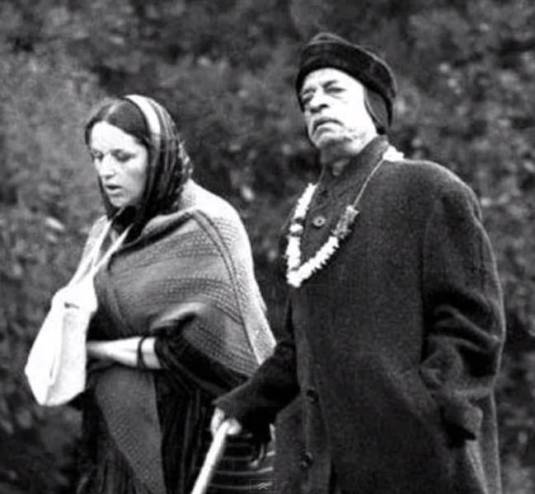
Click on photo to enlarge
Yamuna
By Gurudas
I am saddened by my feeling of separation from you, that I will not see you again on this planet, yet I still feel close to you. Our relationship transcends material boundaries and You are in my, and many peoples hearts.
Let us all pray for your continued spiritual journey, which makes me happy, as you are not in pain anymore, and with our beloved Spiritual Master, and Radha and Krishna.
I fell in love with you upon viewing your powerful presence.
I fell in Love with you, little did I know what A great path you carved out and offered to me, for you introduced me to Prabhupad.
I noted your great qualities, spiritual beauty, perseverance, a great confidant and friend. Steadfast, curious, sweet, meticulous, detail oriented, and expert in anything you were interested in. Your smile lit up many rooms and hearts.
You showed love for Prabhupad from the very beginning.
More
27 Dec 2011
by The Hare Krishna Movement
in Krishna Consciousness, KRSNA The Supreme Personality of Godhead, Uncategorized
Tags: charitable, His Divine Grace A.C. Bhaktivedanta Swami Prabhupada, Krsna The Supreme Personality of Godhead, Lord Caitanya, Lord Krsna, medicinal extracts, noble, pious trees, shade, Srimad Bhagavatam, tolerant, trees of Vrndavana

They have dedicated their lives to the welfare of others. They are the perfect example of noble life.
One may take excellent lessons from the pious trees, who offer innumerable benefits, such as fruits, flowers, cooling shade and medicinal extracts. Even when a tree is suddenly cut down and dragged away, the tree does not protest but continues to give service to others in the form of firewood. Thus, one should become the disciple of such magnanimous trees and learn from them the qualities of saintly conduct. (Srimad Bhagavatam)
Taking shelter of the shade of the trees, Kṛṣṇa became very happy. While walking He began to address the inhabitants of Vṛndāvana. “My dear Stokakṛṣṇa, My dear Varūthapa, My dear Bhadrasena, My dear Sudāmā, My dear Subala, My dear Arjuna, My dear Viśāla, My dear Ṛṣabha–just look at these most fortunate trees of Vṛndāvana. They have dedicated their lives to the welfare of others. Individually they are tolerating all kinds of natural disturbances, such as hurricanes, torrents of rain, scorching heat and piercing cold, but they are very careful to relieve our fatigues and give us shelter. My dear friends, I think they are glorified in this birth as trees. They are so careful to give shelter to others that they are like noble, highly elevated charitable men who never deny charity to one who approaches them. No one is denied shelter by these trees. They supply various kinds of facilities to human society, such as leaves, flowers, fruit, shade, roots, bark, flavor extracts and fuel. They are the perfect example of noble life. They are like a noble person who has sacrificed everything possible–his body, mind, activities, intelligence and words–in engaging in the welfare of all living entities.”
More
26 Dec 2011
by The Hare Krishna Movement
in Jiva Goswami, Six Goswamis
Tags: dissapearance of Srila Jiva Goswami, six goswami's, Sri Chaitanya, Sri Chaitanya Mahaprabhu, Sri Jiva Goswami, Sri Sri Rama-Krishna, Vrndavan

Today is the dissapearence day of Srila Jiva Goswami. We honor him today, with a brief biography of his life.
Srila Jiva Goswami
Srila Jiva Goswami was the son of Sri Vallabha and nephew of Sri Sanatana, Sri Rupa, all of whom were employed in the service of the Badsha Hussein Shah. Having been rewarded richly by the Badsha for their devices, their household life was very opulent.
When Sri Chaitanya Mahaprabhu came to Ramakeli, Sri Jiva was blessed by having darshana of his worshipable Lord, though he was just a baby at that time. Mahaprabhu indicated him to be a great future scholar in the Gaudiya sampradaya. Though he was only a child, Sri Jiva would meditate on Sri Chaitanya constantly.
More
26 Dec 2011
by The Hare Krishna Movement
in A.C. Bhaktivedanta Swami Prabhupada, Nectar of Instruction, The Nectar of Instruction
Tags: A.C. Bhaktivedanta Swami Prabhupada, capitalism, human life, Lords energy, materialistic communism, Nectar of Instruction, Rupa Goswami, sense gratification, spiritual development

…Kṛṣṇa conscious devotees know very well that this material world is designed by the complete arrangement of the Lord to fulfill all the necessities of life for all living beings, without their having to encroach upon the life or rights of one another. This complete arrangement affords the proper quota of wealth for everyone according to his real needs, and thus everyone may live peacefully according to the principle of plain living and high thinking. Unfortunately, materialists who have neither faith in the plan of God nor any aspiration for higher spiritual development misuse their God-given intelligence only to augment their material possessions. They devise many systems—such as capitalism and materialistic communism—to advance their material position. They are not interested in the laws of God or in a higher goal. Always anxious to fulfill their unlimited desires for sense gratification, they are conspicuous by their ability to exploit their fellow living beings…
The Nectar of Instruction
By His Divine Grace A.C. Bhaktivedanta Swami Prabhupada
Text 2
atyāhāraḥ prayāsaś ca
prajalpo niyamāgrahaḥ
jana-saṅgaś ca laulyaṁ ca
ṣaḍbhir bhaktir vinaśyati
ati-āhāraḥ—overeating or too much collecting; prayāsaḥ—overendeavouring; ca—and; prajalpaḥ—idle talk; niyama—rules and regulations; āgrahaḥ—too much attachment to (or agrahaḥ—too much neglect of); jana-saṅgaḥ—association with worldly-minded persons; ca—and; laulyam—ardent longing or greed; ca—and; ṣaḍbhiḥ—by these six; bhaktiḥ—devotional service; vinaśyati—is destroyed.
One’s devotional service is spoiled when he becomes too entangled in the following six activities: (1) eating more than necessary or collecting more funds than required; (2) overendeavoring for mundane things that are very difficult to obtain; (3) talking unnecessarily about mundane subject matters; (4) Practicing the scriptural rules and regulations only for the sake of following them and not for the sake of spiritual advancement, or rejecting the rules and regulations of the scriptures and working independently or whimsically; (5) associating with worldly-minded persons who are not interested in Kṛṣṇa consciousness; and (6) being greedy for mundane achievements.
More
25 Dec 2011
by The Hare Krishna Movement
in Bhagavad-gita, Devotional Service, Krishna Consciousness, Lord Jesus Christ
Tags: Arjuna, bhagavad-gita, devotee is friendly to every living entity, devotional service, God consciousness, Jesus Christ, Lord Jesus Christ, Srila Prabhupada
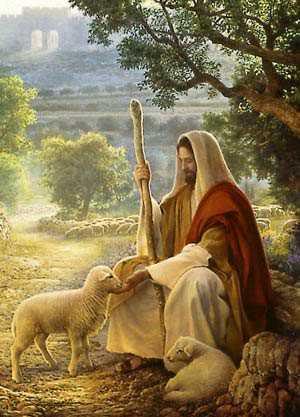
A devotee of Kṛṣṇa is friendly to everyone. Therefore it is said here that he has no enemy. How is this? A devotee situated in Kṛṣṇa consciousness knows that only devotional service to Kṛṣṇa (God) can relieve a person from all the problems of life. He has personal experience of this, and therefore he wants to introduce this system, Kṛṣṇa consciousness, or God Consciousness, into human society. There are many examples in history of devotees of the Lord risking their lives for the spreading of God consciousness. The favorite example is Lord Jesus Christ
He was crucified by the nondevotees, but He sacrificed His life for spreading God consciousness. Of course, it would be superficial to understand that He was killed. Similarly, in India also there are many examples, such as Ṭhākur Haridāsa. Why such risk? Because they wanted to spread Kṛṣṇa consciousness, and it is difficult. A Kṛṣṇa conscious person knows that if a man is suffering, it is due to his forgetfulness of his eternal relationship with Kṛṣṇa (God). Therefore, the highest benefit one can render to human society is relieving one’s neighbor from all material problems. In such a way, a pure devotee is engaged in the service of the Lord. Now, we can imagine how merciful Kṛṣṇa is to those engaged in His service, risking everything for Him. Therefore it is certain that such persons must reach the supreme planet after leaving the body.
Bhagavad-gita As It Is – Macmillan 1972 Edition
By His Divine Grace A.C. Bhaktivedanta Swami Prabhupada
Chapter 11 The Universial Form Text 55
mat-karma-kṛn mat-paramo
mad-bhaktaḥ saṅga-varjitaḥ
nirvairaḥ sarva-bhūteṣu
yaḥ sa mām eti pāṇḍava
mat-karma-kṛt—engaged in doing My work; mat-paramaḥ—concerning Me, the Supreme; mat-bhaktaḥ—engaged in My devotional service; saṅga-varjitaḥ—freed from the contamination of previous activities and mental speculation; nirvairaḥ—without an enemy; sarva-bhūteṣu—to every living entity; yaḥ—one who; saḥ—he; mām—unto Me; eti—comes; pāṇḍava—O son of Pāṇḍu.
Translation
My dear Arjuna, one who is engaged in My pure devotional service, free from the contaminations of previous activities and from mental speculation, who is friendly to every living entity, certainly comes to Me.
More
25 Dec 2011
by The Hare Krishna Movement
in Lord Jesus Christ, Science of Self Realization, Srila Prabhupada Conversations, Vegetarianism
Tags: Christ, Christos, Emmanuel Jungclaussen, Father Emmanuel, Jesus, Krishna, Krsna, Krsta, Lord Jesus Christ, Srila Prabhupada, the anointed one, The Science of Self Realization, Understanding Krsna and Christ

Conversation with Father Emmanuel
The Science of Self Realization
By His Divine Grace A.C. Bhaktivedanta Swami Prabhupada
Chapter 4 “Understanding Krsna and Christ”
Conversation with Father Emmanuel
In 1974, near ISKCON’s center in Frankfurt am Main, West Germany, Srila Prabhupada and several of his disciples took a morning walk with father Emmanuel Jungclaussen, a Benedictine monk from Niederalteich Monastery.
Noticing that Srila Prabhupada was carrying meditation beads similar to the rosary, Father Emmanuel explained that he also chanted a constant prayer: “Lord Jesus Christ, be merciful unto us.” The following conversation ensued.
Srila Prabhupada: What is the meaning of the word Christ?
Father Emmanuel: Christ comes from the Greek word Christos, meaning “the anointed one.”
Srila Prabhupada: Christos is the Greek version of the word Krsna.
Father Emmanuel: This is very interesting.
Srila Prabhupada: When an Indian person calls on Krsna, he often says, “Krsta.” Krsta is a Sanskrit word meaning “attraction.” So when we address God as “Christ,” “Krsta,” or “Krsna,” we indicate the same all-attractive Supreme Personality of Godhead. When Jesus said, “Our Father, who art in heaven, sanctified be Thy name,” that name of God was “Krsta” or “Krsna.” Do you agree?
Father Emmanuel: I think Jesus, as the son of God, has revealed to us the actual name of God: Christ. We can call God “Father,” but if we want to address Him by His actual name, we have to say “Christ.”
Srila Prabhupada: Yes. “Christ” is another way of saying Krsta, and “Krsta” is another way of pronouncing Krsna, the name of God. Jesus said that one should glorify the name of God, but yesterday I heard one theologian say that God has no name-that we can call Him only “Father.” A son may call his father “Father,” but the father also has a specific name. Similarly, “God” is the general name of the Supreme Personality of Godhead, whose specific name is Krsna. Therefore whether you call God “Christ,” “Krsta,” or “Krsna,” ultimately you are addressing the same Supreme Personality of Godhead.
More
23 Dec 2011
by The Hare Krishna Movement
in Free Downloads, Free eBooks, The Hare Krsna Cookbook, Vegetarian Cooking, Vegetarian Recipies, Vegetarianism
Tags: A.C. Bhaktivedanta Swami Prabhupada, devotional service, Krishna, krsna consciousness, Krsna devi dasi, Prasadam, Sama devi dasi, singing dancing and feasting, The Hare Krsna Cookbook, vegetarian cooking, vegetarian recipies, vegetarianism

click on link at bottom to download entire book in pdf format
The Hare Krsna Cookbook
1973 Bhaktivedanta Book Trust
Compiled by Krsna devi dasi and Sama devi dasi
“The Hare Krsna Cookbook”, originally published in 1973, was the first widely distributed book of vegetarian recipes, throughout the Movement. This was the book myself and many early devotees learned to cook from, and remains today my all time favorite cookbook, and is a constant companion in our kitchen. We offer the complete book on a PDF Format as a gift to all our readers this Holiday Season.
Dedication
Prasadam means mercy, and this Prasadam Cookbook is dedicated to the fountainhead of all mercy, the spiritual master, His Divine Grace A.C. Bhaktivedanta Swami Prabhupada. He is by nature kind to every living entity, but that ocean of mercy becomes fully visible in his devotees.
Srila Prabhupada has not given us some dry, canned philosophy to chew; he has given us the nectar for which we have sought so long: he has taught us how to render transcendental loving service to the Lord in all our daily activities. This book illustrates on of them.
The Process of Krsna Consciousness is usually described as one of dinging, dancing and feasting. We have already demonstrated to the world how anyone can sing and dance to the holy names of God, Hare Krsna, and now, with the publication of this Prasadam Cookbook, we hope that the whole world will feast in honor of the Supreme Lord. That will make this world like Vrndavana, the transcendental abode of Krsna, where Krsna, Balarama and the monkeys visit every kitchen with thieving intend and bless the devotees with pure love of God. (Dedication from The Hare Krsna Cookbook)
Dwonload PDF Format 5.6MB The Hare KRSNA Cookbook
23 Dec 2011
by The Hare Krishna Movement
in Back to Godhead, Damodara dasa, Hayagriva das, Remembering Srila Prabhupada
Tags: Back to Godhead Magazine, Bhagavad-gita on the Bowery, Damodara das, His Divine Grace A.C. Bhaktivedanta Swami Prabhupada, Krishna, Nandimukhi devi dasi, Remembering Srila Prabhupada, swami

Spiritual Bongos And Neighborhood Beats
By Damodara Dasa
Adapted by Nandimukhi Devi Dasi from Remembering Srila Prabhupada (copyright 1998 Daniel Clark)
His Divine Grace A.C. Bhaktivedanta Swami Prabhupada, my spiritual master, enacted his life’s activities from his birth in 1896 to his passing in 1977. I knew him for the last eleven years of his exemplary pastimes. But to say I knew him is going too far. I watched him. I listened to him. I talked with him and corresponded with him. I followed him and obeyed him—and disobeyed him. I learned from him. I bowed down before him and prayed to him. I loved him, and still do. Through those eleven years, that person I first knew as the Swami, then as Swamiji, and then as Srila Prabhupada guided my life.
More
22 Dec 2011
by The Hare Krishna Movement
in Diksha, Disciplic succession, Guru & Disciple, Siksa
Tags: disciple, guru, His Divine Grace A.C. Bhaktivedanta Swami Prabhupada, Initiation, Nov. 14th 1977, rules and regulations, spiritual master, Srila Prabhupada

Srila Prabhupada Spiritually Present
Physically Departed / Spiritually Present
Author unknown
“Yes, I am the Spiritual Master of this institution, and all members of the society, they’re supposed to be my disciples. They follow the rules and regulations which I ask them to follow, and they are initiated by me spiritually.”
Srila Prabhupada left this world on November 14th 1977 in Krishna’s holy land of Vrindavan. He had been translating his books and instructing his disciples to the very last, and left in the most auspicious circumstances, surrounded by his disciples chanting the maha-mantra.
He left behind a massive legacy of teachings in the form of numerous books, audio and video taped lectures and conversations, as well as a worldwide Movement. He said he had given everything necessary to go back home, back to Godhead, we just had to read his books, chant and follow his instructions. He taught that there was no difference to serving him when he was physically present, to doing so when he was absent. He would remain spiritually present in his books and instructions:
More
22 Dec 2011
by The Hare Krishna Movement
in Devotee's, Letters by Srila Prabhupada, Yamuna devi
Tags: A.C. Bhaktivedanta Swami, chant Hare Krishna, Gurudas photo, letter to Yamuna, Letters by Srila Prabhupada, Sri Sri Radha Krishna deity, Yamuna devi

(click on photo to enlarge)
Dear Yamuna,
Please accept my blessings. I have received your letter of January 18, and studied the contents.
The picture of your Radha Krishna deities is very good. They appear to be like the Radha Govinda deities of Mullick Thakur which I used to see from my childhood.
Yes, go on with your program. Live a simple life. Take a little milk and food grains, chant Hare Krishna and worship Sri Sri Radha Krishna deity, that’s all. That will make you perfect.
Hoping this finds you in good health.
Your ever well-wisher,
A.C. Bhaktivedanta Swami
Smte. Yamuna devi dasi
Sri Sri Radha Vanabehari Mandir
Murphy, Oregon 97533
ACBS/sdg
21 Dec 2011
by The Hare Krishna Movement
in Devotee's, Srila Prabhupada, Vegetarian Cooking, Yamuna devi
Tags: equal to all, Govindam Prayers, panditah sama-darsinah, Srila Prabhupada, Srila Prabhupada's Transcendental Sweetness and Beauty, Vegetarian cookbooks, Yamuna devi

Srila Prabhupada with Yamuna Devi
As many of you already know, Her Grace Yamuna devi dasi, one of the first disciples of His Divine Grace A.C. Bhaktivedanta Swami Prabhupada, departed on the morning of the auspicious day of Saphala Ekadasi. She is well-known for her glorious contributions to the Iskcon society and the world at large. She has authored many fine award winning books on Vegetarian cooking, and is famous as a kirtan leader, and for her beautiful singing of the Govindam Adipurusham prayers that we hear and chant daily in all of the Hare Krishna Centers throughout the world. We offer her our respectful obiesances.
The following is a Presentation to the GBC, on “Women in ISKCON”, March 2000
Srila Prabhupada’s Transcendental Sweetness and Beauty
Presentation by Yamuna devi dasi
What a week of Vaisnava sadhu-satsanga this has been! I leave the richer, having exchanged with my family members, old and new, Godbrothers, Godsisters, nephews and nieces. While I feel most unqualified to speak to you today, I am honoured and privileged to join my Godsisters in voicing my concerns as a woman in ISKCON.
As the GBC body, all of you are responsible for establishing Srila Prabhupada’s legacy, which, in these difficult and turbulent times, is at stake. One realm of that legacy – the rapport Srila Prabhupada established with his Vaisnavi disciples – is the topic of our discussion today, because over the years since his disappearance it has been largely forgotten. Perhaps my personal service and association with him, along with his later guidance and instructions, offer some insights in this area.
As a strong and independent young woman I met Srila Prabhupada in 1966 and took initiation in 1967. Had Srila Prabhupada demanded conformity to orthodox roles for women as a condition of surrender, I, along with many of my Godsisters, would probably not have joined ISKCON. That he did not is testament to his spiritual vision. He lovingly encouraged and engaged us in the service of the sankirtana movement, and he consistently revealed himself to be panditah sama-darsinah – equal to all.
More
Previous Older Entries Next Newer Entries