Happy New Year everyone, hopefully This will be a good year.
Ya know, every year I make New Years’ resolutions, to be a better person, or to wake up early every day, stop eating so much white sugar and white flour, practice yoga, exercise, walk, chant my 16 rounds, etc. Typically my resolutions don’t even make it past the first week in January. But this year I am going to try something a little different. Keeping it simple. I am going to try to love God [Krishna] more.
I am reminded of the George Harrison song “My Sweet Lord”
My Sweet Lord
…I really want to see you Really want to be with you Really want to see you, Lord But it takes so long, my Lord
My sweet Lord My Lord My Lord
I really want to know you Really want to go with you Really want to show you, Lord But it won’t take long, my Lord (Hare Krishna)
full song below
But I am also reminded of the words of Srila Prabhupada in the KRSNA Book;
...Since Kṛṣṇa is all-attractive, one should know that all his desires should be focused on Kṛṣṇa… if we concentrate our loving propensities upon Kṛṣṇa only, then immediately universal love, unity and tranquillity will be automatically realized. When one waters the root of a tree, he automatically waters the branches, twigs, leaves and flowers; when one supplies food to the stomach through the mouth, he satisfies all the various parts of the body.
The art of focusing one’s attention on the Supreme and giving one’s love to Him is called Kṛṣṇa consciousness. (from Preface)
And from the Introduction of the KRSNA Book;
The supreme abode of the Personality of Godhead, Krsna, is also described in the Brahma-samhita as the abode of cintamani. That abode of Lord Krsna known as Goloka Vrindavan is full of palaces made of touchstone. There the trees are called desire trees, and the cows are called surabhi. The Lord is served there by hundreds and thousands of goddesses of fortune. His name is Govinda, the Primeval Lord, and He is the cause of all causes. There the Lord plays His flute, His eyes are like lotus petals, and the color of His body is like that of a beautiful cloud. On His head is a peacock feather. He is so attractive that He excels thousands of Cupids.
Krishna is so attractive, that it shouldn’t be hard to love Him more. Maybe this is a New Year Resolution I can actually keep.
Sri-Guru-Carana-Padma by Narottama dasa Thakura From Songs of the Vaisnava Acaryas
śrī-guru-caraṇa-padma, kevala-bhakati-sadma, bando muñi sāvadhāna mate jāhāra prasāde bhāi, e bhava toriyā jāi, kṛṣṇa-prāpti hoy jāhā ha’te
The lotus feet of our spiritual master are the only way by which we can attain pure devotional service. I bow to his lotus feet with great awe and reverence. By his grace one can cross the ocean of material suffering and obtain the mercy of Krsna.
guru-mukha-padma-vākya, cittete koriya aikya, ār nā koriho mane āśā śrī-guru-caraṇe rati, ei se uttama-gati, je prasāde pūre sarva āśā
My only wish is to have my consciousness purified by the words emanating from his lotus mouth. Attachment to his lotus feet is the perfection that fulfills all desires.
He opens my darkened eyes and fills my heart with transcendental knowledge. He is my Lord birth after birth. From him ecstatic prema emanates; by him ignorance is destroyed. The Vedic scriptures sing of his character.
śrī-guru karuṇā-sindhu, adhama janāra bandhu, lokanāth lokera jīvana hā hā prabhu koro doyā, deho more pada-chāyā, ebe jaśa ghuṣuk tribhuvana
Our spiritual master is the ocean of mercy, the friend of the poor, and the lord and master of the devotees. O master! Be merciful unto me. Give me the shade of your lotus feet. Your fame is spread all over the three worlds.
The Nectar of Devotion is specifically presented for persons who are now engaged in the Krsna consciousness movement. I beg to offer my sincere thanks to all my friends and disciples who are helping me to push forward the Krsna consciousness movement in the Western countries, and I beg to acknowledge, with thanks, the contribution made by my beloved disciple Śrīmad Jayānanda Brahmacari. My thanks are due as well to the directors of ISKCON Press, who have taken so much care in publishing this great literature. Hare Krsna.
A.C. Bhaktivedanta Swami
“Prabhupada: Hare Krsna. So we have published our Nectar of Devotion. So every one of you should read this Nectar of Devotion repeatedly. The whole substance of Vaisnava philosophy and activities, everything is there. So every one of you read this Nectar of Devotion once, twice, thrice.”
I have been reading the Krsna Book lately, and just yesterday we were reading chapter 14 “Prayers Offered by Lord Brahma to Lord Krsna”, and I was reminded this was the last chapter Srila Prabhupada was working on in the Srimad Bhagavatam series before his passing. So I had another look at the Tenth Canto, part 3, and thought it a good idea to share it with all our readers.
This is the final Śrīmad-Bhāgavatam volume translated by His Divine Grace A. C. Bhaktivedanta Swami Prabhupada, Founder-Acarya of the International Society for Krishna Consciousness, before his untimely departure. We share it with you as a free PDF download. You can click on the above link to view the complete volume or save it to your computer.
Foward
This is the final Śrīmad-Bhāgavatam volume translated by His Divine Grace A. C. Bhaktivedanta Swami Prabhupada, founder-acarya of the International Society for Krishna Consciousness. It is smaller than the earlier volumes because it ends where the renowned author stopped translating just before his departure from this mortal world on November 14, 1977, at the Krsna-Balarama Mandira in Vrndavana, India.
This is an old photo taken in 1907 that my wife found on Facebook. I remember as a kid, thinking that’s what yogis do. Sit on a bed of nails, or levitate off the ground while meditating.
Before Srila Prabhupada came to the West, bringing with him the Vedic Philosophy, not many people had any idea of what was Yoga or Meditation. Or that there were different types of Yoga and Meditation.
We share with you an excerpt from the small paperback book by His Divine Grace A. C. Bhaktivedanta Swmai Prabhupada entitled ” The Perfection of Yoga ”
The yogī obviously has to go through a great deal of difficulty to purify the ātmā (mind, body and soul), but it is a fact that this can be done most effectively in this age simply by the chanting of Hare Kṛṣṇa, Hare Kṛṣṇa, Kṛṣṇa Kṛṣṇa, Hare Hare/ Hare Rāma, Hare Rāma, Rāma Rāma, Hare Hare. Why is this? Because this transcendental sound vibration is non-different from Kṛṣṇa. When we chant His name with devotion, then Kṛṣṇa is with us, and when Kṛṣṇa is with us, then what is the possibility of remaining impure? Consequently, one absorbed in Kṛṣṇa consciousness, in chanting the names of Kṛṣṇa and serving Him always, receives the benefit of the highest form of yoga. The advantage is that he doesn’t have to take all the trouble of the meditational process. That is the beauty of Kṛṣṇa consciousness.
So today we celebrate the Disappearance Day of Srila Bhaktisiddhanta Sarasvati Thakura, the Spiritual Master of our Srila Prabhupada. We honor it today with a half day fast a Pushpanjali (offering of prayers and flowers) followed by a nice vegetarian feast.
SRILA BHAKTISIDDHANTA SARASVATI-PRANATI
nama om vinsu-padaya krsna-presthaya bhu-tale srimate bhaktisiddhanta-sarasvatiti namine
I offer my respectful obeisances unto His Divine Grace Bhaktisiddhanta Sarasvati, who is very dear to Lord Krnsa, having taken shelter at His lotus feet.
sri-varsabhanavi-devi-dayitaya–unto Sri Varsabhanavi-devi-dayita Dasa, the servant of the lover of Srimati Radharani; krpa-abdhaye–who is an ocean of mercy; krsna-sambandha–(of) the relationship with Krsna; vijnana–(of) the science; dayine–who is the deliverer; prabhave–unto the master; namah–obeisances.
I offer my respectful obeisances to Sri Varsabhanavi-devi-dayita Dasa [another name of Srila Bhaktisiddhanta Sarasvati, who is favored by Srimati Radharani and who is the ocean of transcendental mercy and the deliverer of the science of Krsna.
madhuryojjvala-premadhya-sri-rupanuga-bhaktida- sri-gaura-karuna-sakti-vigrahaya namo ‘stu te
madhurya–conjugal; ujjvala–brilliant; prema–love; adhya– enriched with; sri-rupa-anuga–following Srila Rupa Gosvami; bhakti-da–delivering devotional service; sri-gaura–(of) Lord Caitanya Mahaprabhu; karuna–(of) the mercy, sakti–energy; vigrahaya–unto the personified; namah–obeisances; astu–let there be; to–unto you.
“I offer my respectful obeisances unto you, who delivers devotional service which is enriched with conjugal love of Radha and Krsna, coming exactly in the live of revelation of Srila Rupa Gowvami.”
names te gaura-vani-sri-murtaye dina-tarine rupanuga-viruddhapasiddhanta-dhvanta-harine
namah–obeisances; to–unto you; gaura-vani–teachings of Lord Caitanya; sri-murtaye–unto the personified; dina–(of) the fallen; tarine–unto the deliverer; rupa-anuga–the philosophy which follows the teachings of Srila Rupa Gosvami; viruddha–against; apasiddhanta–(of) unauthorized statements; dhvanta–the darkness; harine–unto you who are removing.
I offer my respectful obeisances unto you, who are the personified teachings of Lord Caitanya. You are the deliverer of the fallen souls. You do not tolerate any statement which is against the teachings of devotional service enunciated by Srila Rupa Gosvami.
I remember on the morning of my initiation, 48+ years ago, my mind was completely disturbed. Srila Prabhupada was in New York for the big 1976 Rathayathra Festival, and I was there with the Radha Damodara Traveling Sankirtan Party. I had been traveling with the RDTSKP for the last year doing festivals and book distribution, and today right after the morning program I was about to get my first initiation. Like I said, my mind was disturbed. I was in total anxiety, never felt such terrible anxiety and doubt before. I wasn’t sure I could go through with it, wasn’t sure I could make such a serious promise. “I promise to chant 16 rounds and follow all 4 regulative principles.” I mean, I’m pretty sure I can follow some of the regulative principles, and chant some of my rounds every day, but 4 regs. and 16 rounds every day for the rest of my days, I don’t know?
“To chant the holy name always, one should be humbler than the grass in the street and devoid of all desire for personal honor, but one should offer others all respectful obeisances.
“A devotee engaged in chanting the holy name of the Lord should practice forbearance like that of a tree. Even if rebuked or chastised, he should not say anything to others to retaliate.
“For even if one cuts a tree, it never protests, and even if it is drying up and dying it does not ask anyone for water.
PURPORT
This practice of forbearance (tṛṇād api sunicena) is very difficult, but when one actually engages in chanting the Hare Krishna mantra, the quality of forbearance automatically develops. A person advanced in spiritual consciousness through the chanting of the Hare Krishna mantra need not practice to develop it separately, for a devotee develops all good qualities simply by chanting the Hare Krishna mantra regularly.
“Thus a Vaisnava should not ask anything from anyone else. If someone gives him something without being asked, he should accept it, but if nothing comes, a Vaisnava should be satisfied to eat whatever vegetables and fruits are easily available.
“One should strictly follow the principle of always chanting the holy name, and one should be satisfied with whatever he gets easily. Such devotional behavior solidly maintains one’s devotional service.
“One who thinks himself lower than the grass, who is more tolerant than a tree, and who does not expect personal honor yet is always prepared to give all respect to others can very easily always chant the holy name of the Lord.”
PURPORT
The grass is specifically mentioned in this verse because everyone tramples upon it yet the grass never protests. This example indicates that a spiritual master or leader should not be proud of his position; being always humbler than an ordinary common man, he should go on preaching the cult of Caitanya Mahaprabhu by chanting the Hare Krishna mantra.
Recently a fellow Vaisnava (Kamsahanta Prabhu) passed away, or as we like to say, left his body, and we were left to settle his affairs. First there was the death certificate, and registering his death. Then there was the funeral home where arrangements were made for his cremation. Then there was the big job of distributing all his possessions. We gave his clothes to a nearby charity, food stuffs to the local church, There was tons of religious paraphernalia, dieties, pictures, books, (which were left with other devotees) and vehicles. It took weeks. And it really got me thinking… about my own mortality.
Kamshanta Prabhu was very fortunate in many ways, for in his adult life he preformed so much devotional service, distributed so many of Srila Prabhupada’s books, and collected so much laxmi to help advance this movement. He was also fortunate that his son Namacharya, was there to assist him at his hour of passing. Nam put his fathers japa beads in his hand, helped him chant in his final hours, and made arrangements to have his fathers body be cremated with his tulasi beads around his neck and his japa beads in his hand.
But this is what got me thinking…after a whole lifetime, Kamshanta Prabhu was left with only his neck and japa beads, and most importantly the holy name on his lips and in his ears. And I was reminded of the verse from the Bhagavad-gita 8.5:
“And whoever, at the time of death, quits his body, remembering Me alone, at once attains My nature, of this there is no doubt”
I am always saddened by the news of another devotee leaving their body, but gladdened by their onward journey. Kamsahanta Prabhu has moved onward, no doubt continuing to assist Srila Prabhupada in his mission.
Keith Haslam / Kamsahanta Das ACBSP
Born March 23, 1941 Bolton, Lancashire, U.K.
He became a graphic artist and cartoonist. He worked as an apprentice at a Manchester newspaper. He then encouraged his family to move to Fowey, Cornwall, which they did and he immigrated to Canada in his twenties. He held a job as an art director in advertising in Toronto, Canada. His search for deeper knowledge made him leave the security of money to roam the U.S.A. and travel across Canada which led him to meet his soon to be wife Lokadrsti devi dasi, in Thunder Bay, Ontario, Canada. In 1971 there at a health food store he purchased a book called “Bhagavad Gita As It Is” by A.C. Bhaktivedanta Swami Prabhupada. He realized when reading this book, his search and questions were answered. On a journey to Indonesia in 1973 there was a stop in the U.K. where he met his spiritual master this is when he decided to go back to Toronto and dedicate his life to this mission of obtaining and sharing this knowledge.
He received the name Kamsahanta Das in April 1973 in Toronto, Canada
A few days ago on the full moon (purnima) we started the month of Kartika, or as I like to say, the month of Damodara. As always during this month, we sing the Damodara prayers (Sri Damodararastaka) daily and light a candle to offer. It is also a good time to read from the KRSNA Book and just delight in the childhood pastimes of Lord Krishna.
Included below are the lyrics and translations from the original “Songs of the Vaisnava Acaryas” song book.
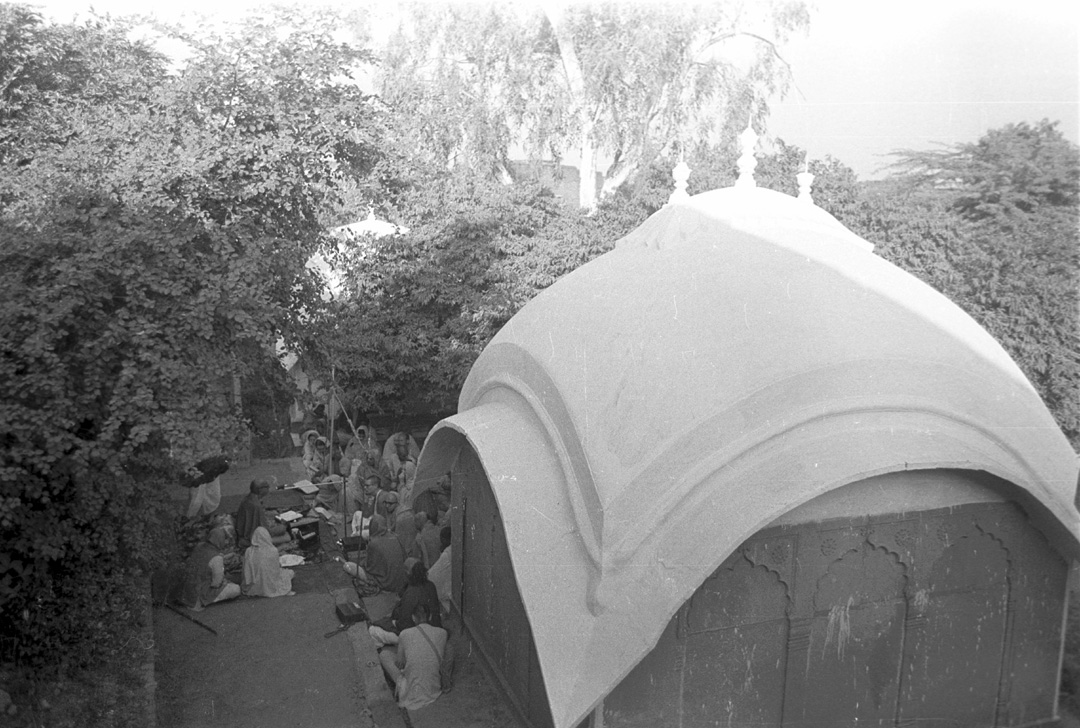
My wife shared with me some beautiful pictures of the inhabitants of Vrindavan, India she found on Facebook. The photography was excellent, and although I don’t know who took these pictures, I hope there will be no objection to me posting them from my page, and that they will be well recieved. -V
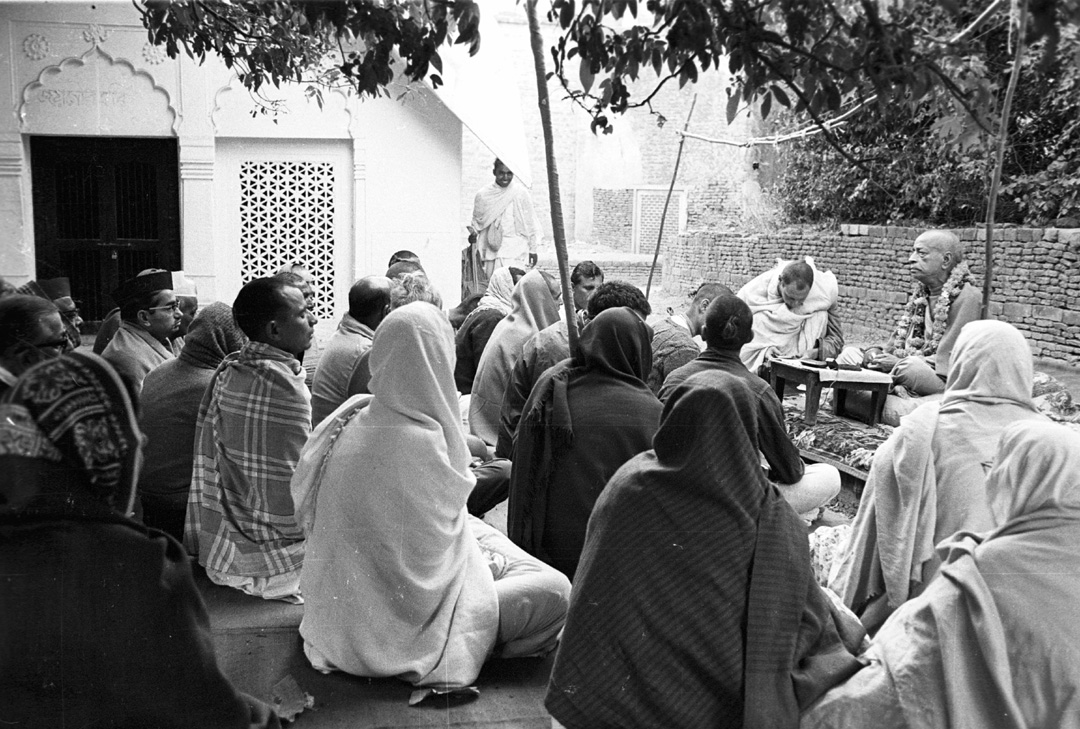
The Nectar of Devotion Lecture
By His Divine Grace A. C. Bhaktivedanta Swami Prabhupada
Vṛndāvana, October 19, 1972
Pradyumna: (reading) “…happiness immediately terminates with his body as long as his life, as soon as his life is over. Death is therefore taken as the representative of God for the atheistic class of men. The devotee realizes the presence of God by devotional service, whereas the atheist realizes the presence of God in the shape of death.”
Prabhupāda: Yes. This point we have discussed last night that everyone can see God. To see God is not very difficult job. There are so many points described in the Bhagavad-gītā. For the devotees, those who are serious about seeing God, they can see God. God is present everywhere. And God Himself, Kṛṣṇa, is describing, raso ‘ham apsu kaunteya prabhāsmi śaśi-sūryayoḥ [Bg. 7.8]. So everyone drinks water. Now Kṛṣṇa says, “The taste of the water, I am.” So who has not tasted the water? Everyone drinks water at least four times, five times. So as soon as you drink water, the taste of the water is Kṛṣṇa. Kṛṣṇa says, “I am this.” Kṛṣṇa has described Himself in so many ways. “Amongst the trees, I am this. Amongst the aquatics, I am this. Amongst the nonmovable, I am this.” So why not see God in that way? The atheist class of men, they say, “Can you show me God?” So why don’t you see God? Why you close your eyes? If you have got eyes to see, you can see God everywhere.
Vrindaban Days
Memories of an Indian Holy Town
by Howard Wheeler (Hayagriva dasa)
“This transcendental land of Vrindaban is populated by goddesses of fortune, who manifest as milkmaids and love Krishna above everything. The trees here fulfill all desires, and the waters of immortality flow through land made of philosopher’s stone. Here, all speech is song, all walking is dancing, and the flute is the Lord’s constant companion. Cows flood the land with abundant milk, and everything is self-luminous, like the sun. Since every moment in Vrindaban is spent in loving service to Krishna, there is no past, present, or future.” -Brahma Samhita (as excerpted from the book Vrindaban Days by Hayagriva das)
It is with great pleasure that we share with you this travel journal by Hayagriva Prabhu as a free PDF download which you can veiw or save by clicking on the underlined link below;
This book is a free pass to India through the personal memories of Hayagriva Prabhu.
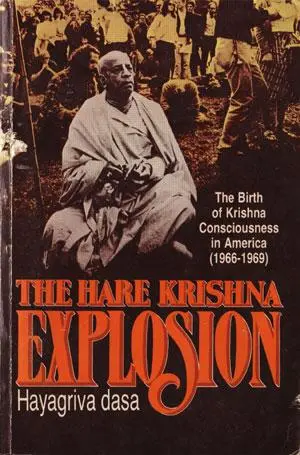
Many of you have also read the other exciting book by Hayagriva Prabhu entitled “The Hare Krishna Explosion”, which you can also download by clicking on book at bottom of page.
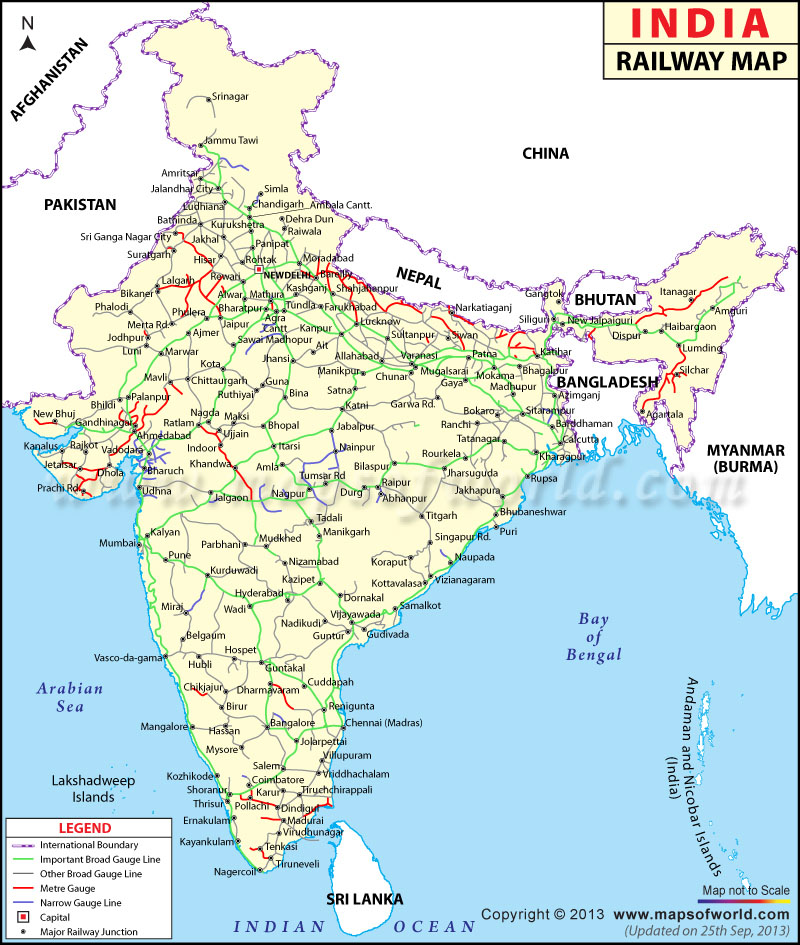
Whenever I plan a trip to India, it seems the first thing I do, is start looking at maps. I have always been a map person, as there is some romantic imagery for me, especially when I look at a map of India. The shape of this country has always invoked in me, a sense of spirituality and wonderment, as if the very shape of it is somehow what a spiritual holy land should look like.
There are so many ways to travel in India; on foot, by bicycle rickshaw, or the motorized “cockroach” rickshaws, by bus, by plane, or my favorite, by train.
Actually we are planing to go to Vrndavana, but will take in some other places of interest as well. The following are some selections from Srila Prabhupada’s books which describe India, Vrndavana, and the purpose of pilgrimage etc.
The purpose of pilgrimages is to remember the Lord constantly, and therefore the Lord is known as tīrtha-kīrti. The purpose of going to a place of pilgrimage is to get the chance to glorify the Lord. Even today, although times have changed, there are still pilgrimage sites in India. For example, in Mathurā and Vṛndāvana, where we had a chance to stay, people are awake from early in the morning at 4 A.M. up until nighttime and are constantly engaged, some way or other, in chanting the holy glories of the Lord. The beauty of such a pilgrimage site is that automatically one remembers the holy glories of the Lord. His name, fame, quality, form, pastimes and entourage are all identical to the Lord, and therefore chanting the glories of the Lord invokes the personal presence of the Lord. Any time or anywhere pure devotees meet and chant the glories of the Lord, the Lord is present without any doubt. It is said by the Lord Himself that He always stays where His pure devotees chant His glories. (from purport SB 3.1.45)
Places of pilgrimage yield a special advantage for a devotee in quickly advancing his spiritual life. Lord Kṛṣṇa lives everywhere, but still it is very easy to approach Him in holy places of pilgrimage because these places are inhabited by great sages. Lord Śrī Kṛṣṇa says that He lives wherever His devotees are chanting the glories of His transcendental activities. (from purport SB 4.8.42)
The following Links will take you to one of our favorite sites: “Care for Cows”. Sriman Kurma Rupa Prabhu has devoted his life to the care and protection of the cows in Vrndavan, and has helped advanced the cause for cow protection Internationally. You can click on following images to visit the sites (Web, Facebook, Newsletter, Contact). Our obeisances to this fine organization.
“Hearing, chanting and remembering the holy name, form, pastimes, qualities and entourage of the Lord, offering service according to the time, place and performer, worshiping the Deity, offering prayers, always considering oneself the eternal servant of Kṛṣṇa, making friends with Him and dedicating everything unto Him—these are the nine processes of devotional service.” (Bhāg. 7.5.23)
…hearing and chanting, are the beginning of bhakti, devotional service. Therefore it is said: tāni me śraddadhānasya kīrtanyāny anukīrtaya. The word anukīrtaya means to follow the paramparā system… The Supreme Lord is more anxious to give us education and enlightenment than we are to receive them. He gives us His literature, His devotees and the paramparā system, but it is up to us to take advantage of these. The Kṛṣṇa consciousness movement is intended to give society the proper understanding of the Absolute Truth. We are not presenting a manufactured, bogus philosophy. Why should we unnecessarily waste our time concocting some philosophy? There is so much to be learned that has already been given by the supreme authority. All we have to do is take this Vedic literature, try to learn it and distribute it. That is Caitanya Mahāprabhu’s mission.
Teachings of Lord Kapila, the Son of Devahūti
By His Divine Grace A. C. Bhaktivedanta Swami Prabhupāda
Chapter Three, Text 3
It was my good fortune to finally meet one of my singing mentors, and God-brother, the legendary Acyutananda das, at the Festival of Inspiration held annually at the New Vrindavan farm community in West Virginia. He was a very likable character and willingly signed my 1974 copy of the Songs of the Vaisnava Acaryas. He opened the Festival of Inspiration with a Question and Answer session, answering all kinds of questions on the “Early Days”, “India”, “Life with Srila Prabhupada”, “Spiritual Life” etc., etc. with his own blend of sarcastic humor, wit, and intellectual powers. It was quite enjoyable and enlightening. He is a very ‘real’, unpretentious fellow, and as I said very likable.
In honor of our visit with him we are posting the Foreword from the Songs of the Vaisnava Acarays, wherein Srila Prabhupada is giving his thanks and blessings:
…I confer all my blessings upon Acyutananda Swami for his genuine attempt to advance in Krishna consciousness. I hope he will attempt to advance more and more and never be hampered my maya. We should always remember the danger of maya’s influence and endeavor to save ourselves from her great power. We must therefore always merge in the transcendental mellow of kirtana-rasa, for kirtana-rasa is the safest situation within this material world. Hare Krishna.
…So to find out a bona fide guru is not difficult, provided one is bona fide to search out a guru. Therefore Caitanya Mahāprabhu said, guru-kṛṣṇa-kṛpāya pāya bhakti-latā-bīja [Cc. Madhya 19.151]. By the mercy of guru and Kṛṣṇa… Because by the mercy of Kṛṣṇa one gets a bona fide guru, and by the mercy of bona fide guru, one gets Kṛṣṇa. This is the process. When I am actually serious to have connection with Kṛṣṇa, Kṛṣṇa is sitting in everyone’s heart. Īśvaraḥ sarva-bhūtānāṁ hṛd-deśe ’rjuna tiṣṭhati [Bg. 18.61]. So Kṛṣṇa can understand. We cannot hide anything from Kṛṣṇa. That is not possible.
Bona Fide Spiritual Master
Lecture from The Nectar of Devotion
By His Divine Grace A. C. Bhaktivedanta Swami Prabhupāda
Vṛndāvana, October 31, 1972
Pradyumna: (reading) Page xxi. “In the Caitanya-caritāmṛta, by Kṛṣṇadāsa Kavirāja Gosvāmī, Lord Caitanya states that it is a fortunate person who comes in contact with a bona fide spiritual master by the grace of Kṛṣṇa. One who is serious about spiritual life is given by Kṛṣṇa the intelligence to come in contact with a bona fide spiritual master.”
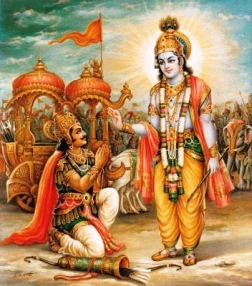
Prabhupāda: Yes. Here it is stated, “It is…, it is a fortunate person.” Not the unfortunate. “It is the fortunate person who comes in contact with a bona fide spiritual master.” This question, we were just discussing before coming to the class, how to select a bona fide spiritual master. So that is not very difficult. Just like in our ordinary business life, we accept somebody as representative of the firm who is actually come, canvassing for the benefit of the firm. He’s representative. Suppose he’s representing some book seller, publisher, so he should canvass for selling the books published by his firm, not for anything else. Suppose he has taken the advantage of becoming representative of a business firm, but he’s doing his own business. He’s not bona fide. He’s not bona fide. So real guru is Kṛṣṇa. Kṛṣṇa… Aham eva āsam agre. Kṛṣṇa existed before the creation. Then He made His representative, Brahma. Tene brahma hṛdā ādi-kavaye. He instructed the original guru, Brahma. Because there was no other living creature, except Brahma, in the beginning of creation, and He instructed Brahma. Tene brahma hṛdā ādi-kavaye. There are other versions in the Vedas, that He instructed Brahma. So therefore, the original guru is Kṛṣṇa. The same guru, Kṛṣṇa, is instructing Arjuna also. Kṛṣṇa became guru of Arjuna. Arjuna accepted Him guru: śiṣyas te ’ham. Arjuna said, “Now I am not talking with You as friend, but I accept You as my guru.” Therefore, by sastric conclusion, Kṛṣṇa is the original guru. Who can deny it? Kṛṣṇa is jagat-guru. He’s guru of everyone, because everyone (is) accepting this authority of Kṛṣṇa. Anyone is accepting the authority of Bhagavad-gītā, he’s accepting, imperceptibly, Kṛṣṇa as guru. Therefore, bona fide spiritual master means who is representing Kṛṣṇa. Who can deny it?
So to find out a bona fide spiritual master is not a very difficult job, because if one is representing guru, Kṛṣṇa, then he must speak of Kṛṣṇa, canvass for Kṛṣṇa. What do you think, Visanji?
“We should try to make Krsna happy like the gopis of Vrndavana. In Vrndavana everyone is trying to please Krsna—the birds, trees, cows, the river and all His associates. It is not that Vrndavana is only here. We can have Vrndavana everywhere. Krsna is not limited. We should not think that Krsna is far away in Goloka Vrndavana and cannot accept food from us. If you offer food with love, Krsna eats. Krsna does not leave Goloka Vrndavana, but His expansion goes and accepts food. This Vrndavana, which so happens to appear in India, is as worshipable as Krsna. As Krsna is worshipable, His dhama [residence] is also worshipable. So we cannot offend His dhama. If we live in Vrndavana, we are living with Krsna, for Vrndavana is nondifferent from Krsna. There is no difference between the original Vrndavana and this Vrndavana. Vrndavana is so powerful.”
With Srila Prabhupada in Vrndavana
By Hayagriva Dasa
Vrndavana, India, the land of Krsna five thousand years after the disappearance of the Supreme Person, is invaded by eighty American and European disciples of Srila Prabhupada. The white and saffron robed pilgrims arrive in Vrndavana for Karttika, a celebration of Krsna’s rasa dance with the cowherd girls (gopis) of Vrndavana. Yearly, Vrndavana is crowded with Karttika pilgrims from October 15th to November 15th, the best time of year for Vrndavana, a month of clear, pleasant days and cool nights.
Vrndavana is approached by train from Delhi to Mathura, about ninety miles to the Southeast of Delhi. From Mathura, one takes a bus some eight miles to the village of Vrndavana bordered on three sides by the holy River Yamuna. As a cowherd boy, Krsna sported in the Yamuna, and Vaisnavas consider its waters more purifying than the Ganges itself. In Krsna’s time, Vrndavana was a forest, as its name indicates. Today it is a congested holy-town forgotten by the tourist maps, a town of crumbling temples, memories, chanting devotees, filth and poverty-stricken masses. Tourists whiz by it on the Delhi-Agra Express, unaware of passing Krsna’s old abode. Vrndavana was rediscovered by Lord Caitanya Mahaprabhu and His disciples Rupa and Sanatana Gosvami in the early 16th Century. Many magnificent temples were built in honor of Lord Krsna, but despite the sanctity of the place, it has not been kept up.













 The Hare Krishna Movement