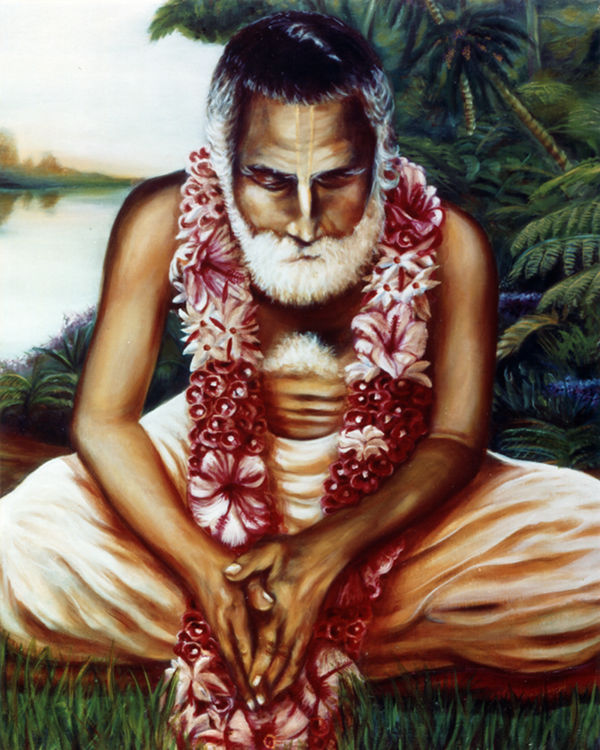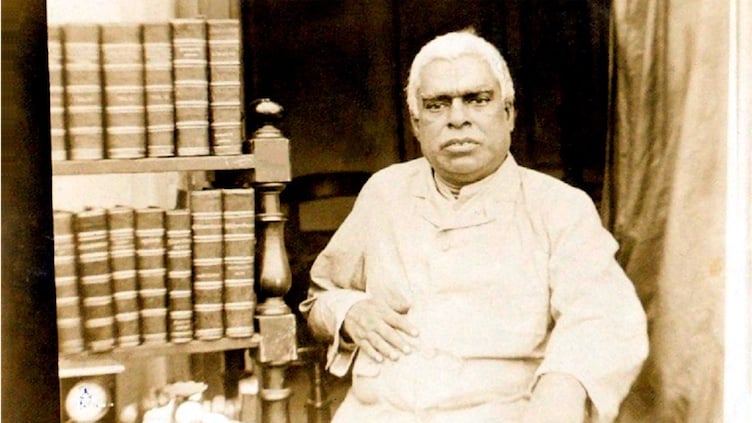
Appearance Day of Srila Bhaktivinoda Thakura

Today we honor the appearance day of Srila Bhaktivinoda Thakura. There is one book I have always been meaning to read: “The Seventh Goswami” by Rupa-vilasa dasa. But I did happen to find this book online in a PDF format on the Iskcon Desire Tree webpage. So we are including the Link in our post today.

The glories of this great personality are limitless, and his achievements are countless. Mere words cannot do justice to his glories. Although Bhaktivinoda Thakura is especially recognised for re-discovering the birth place of Lord Caitanya, he in fact re-discovered and re-established Lord Caitanya’s movement, which was practically lost due to the cultural and religious fanaticism of the British rulers, and the concocted philosophies of deviant sects, who aimed to discredit and contradict the original teachings of the Supreme Lord.

Oh, for that day when the fortunate English, French, Russian, German and American people will take up banners, mrdangas and karatalas and raise kirtana through their streets and towns. When will that day come? Oh, for the day when the fair-skinned men from their side will raise up the chanting of ‘jaya sacinandana, jaya sacinandana ki jaya’ and join with the Bengali devotees. When will that day be? On such a day they will say, ‘Our dear Brothers, we have taken shelter of the ocean of Lord Caitanya’s Love; kindly embrace us.’ When will that day come? That day will witness the holy transcendental ecstasy of the Vaisnava-dharma to be the only dharma, and all the sects and religions will flow like rivers into the ocean of Vaisnava -dharma. When will that day come?” – Bhaktivinoda Thakura

And then he penned another amazing prediction, which can be applied to Srila Bhaktisiddhanta Sarasvati Thakura, but also, most certainly, to Srila Prabhupada: “A personality will soon appear to preach the teachings of Lord Caitanya and move unrestrictedly over the whole world with His message.”

More
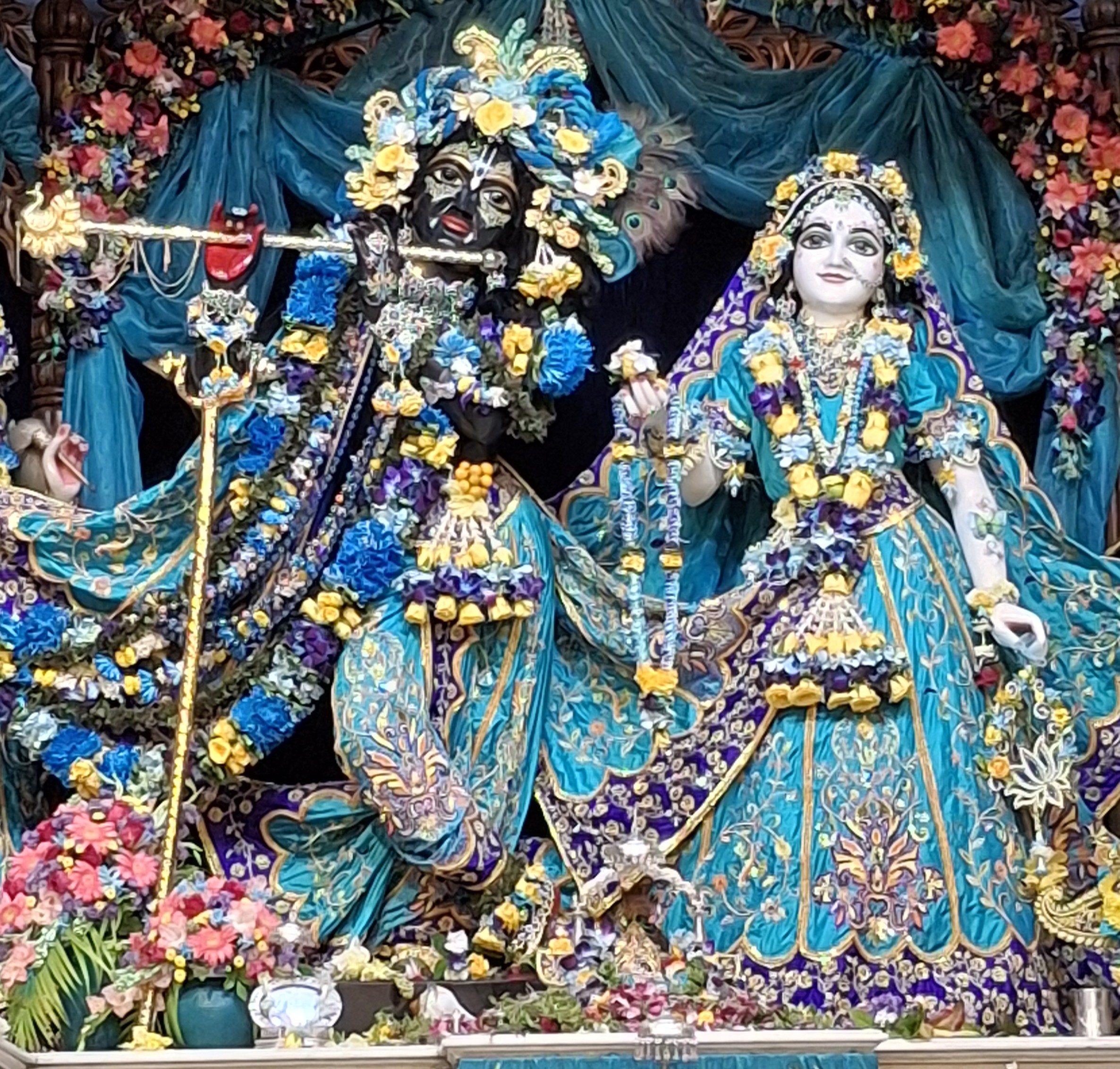
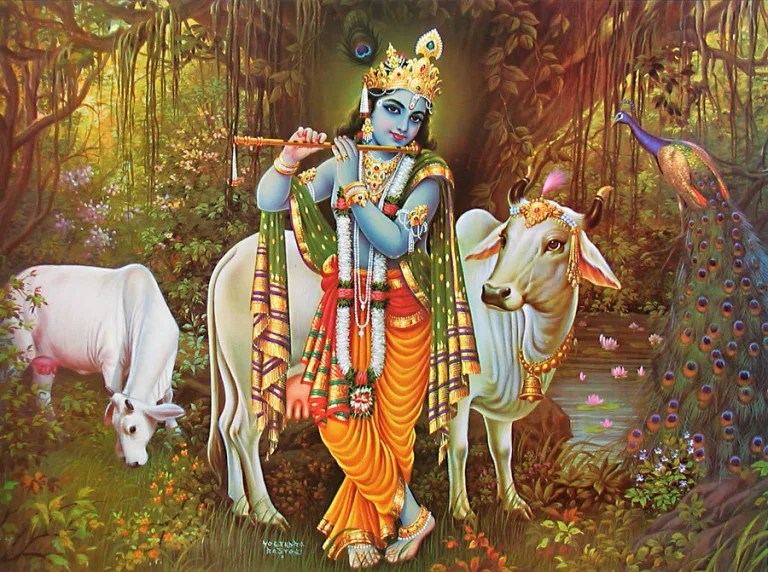
Jaya Radha Madhava

click on image to enlarge

Jaya Rādhā-Mādhava
by Srila Bhaktivinoda Thakura

jaya rādhā-mādhava kuñja-bihārī
gopī-jana-vallabha giri-vara-dhārī

jaya–all glories to: rādhā-mādhava–Rādhā and the Lord of sweetness; kuñja-bihārī–He who enjoys loving pastimes in the groves of Vṛndāvana; gopī-jana-vallabha–the lover of the cowherd maidens of Vraja; giri-vara-dhārī–the holder of the great hill named Govardhana;

Krsna is the lover of Radha. He displays many amorous pastimes in the groves of Vrndavana, He is the lover of the cowherd maidens of Vraja, and the holder of the great hill named Govardhana.

yaśodā-nandana braja-jana-rañjana
yāmuna-tīra-vana-cārī

yaśodā-nandana–the beloved son of mother Yaśodā; vraja-jana-rañjana–the delighter of the inhabitants of Vraja; yāmuna-tīra-vana-cārī–who wanders in the forests along the banks of the river Yamunā

He is the beloved son of mother Yasoda, the delighter of the inhabitants of Vraja, and He wanders in the forests along the banks of the River Yamuna!

Purport to Jaya Rādhā-Mādhava

More

Sri Nama Kirtan

This is such a beautiful song, it is a meditation in itself.

Krishna is very pleased when we call on Him by His Names, which are associated with His devotees, qualities and pastimes. This song by Bhaktivinoda Thakura is composed of the Nanes of Krsna in different aspects. (from the Songs of the Vaisnava Acaryas)

Śrī Nāma-kīrtana
Chanting of the Holy Names
by Srila Bhaktivinoda Thakura

full song with synonyms and translations

yaśomatī-nandana, braja-baro-nāgara,
gokula-rañjana kāna
gopī-parāṇa-dhana, madana-manohara,
kāliya-damana-vidhāna

yaśomatī-nandana–Lord Kṛṣṇa is the beloved son of mother Yaśodā; vraja-vara-nāgara–most beloved of the inhabitants of Vraja; gokularañjana–the attractor of the people of Gokula; kāna–(an intimate nickname); gopī-parāṇa-dhana–the wealth of the lives of the gopīs; madana-manohara–who can attract even the mind of Cupid; kāliyadamana-vidhāna–the chastiser of the Kāliya serpent.

Lord Kṛṣṇa is the beloved son of mother Yaśodā; the transcendental lover in the land of Vraja; the delight of Gokula; Kāna [a nickname of Kṛṣṇa]; the wealth of the lives of the gopīs. He steals the mind of even Cupid and punishes the Kāliya serpent.

amala harinām amiya-vilāsā
vipina-purandara, navīna nāgara-bora,
baṁśī-badana suvāsā

amala harinām–these pure holy names; amiya vilāsā–are full of sweet, nectarean pastimes; vipina-purandara–He is the monarch of the garden groves; navīna nāgara-bora–He is the best of youthful lovers; vaḿśīvadana–He is seen with His flute placed to His lips; suvāsā–He is an excellent dresser.

These pure, holy names of Lord Hari are full of sweet, nectarean pastimes. Kṛṣṇa is the Lord of the twelve forests of Vraja, He is ever-youthful and is the best of lovers. He is always playing on a flute, and He is an excellent dresser.

braja-jana-pālana, asura-kula-nāśana
nanda-godhana-rākhowālā
govinda mādhava, navanīta-taskara,
sundara nanda-gopālā

braja-jana-pālana–the protector of the inhabitants of Vraja; asura-kula-nāśana–the destroyer of demonic dynasties; nanda-godhana-rākhaoyālā– the keeper of Nanda Mahārāja’s valuable cows; govinda–the giver of pleasure to the cows; mādhava–the husband of the goddess of fortune; navanīta-taskara–the butter thief; sundara nanda-gopālā–the beautiful cowherd son of Nanda Mahārāja.

Kṛṣṇa is the protector of the inhabitants of Vraja; the destroyer of various demoniac dynasties; the keeper and tender of Nanda Mahārāja’s cows; the giver of pleasure to the cows, land, and spiritual senses; the husband of the goddess of fortune; the butter thief; and the beautiful cowherd boy of Nanda Mahārāja.

yāmuna-taṭa-cara, gopī-basana-hara,
rāsa-rasika, kṛpāmoya
śrī-rādhā-vallabha, bṛndābana-naṭabara,
bhakativinod-āśraya

yāmuna-taṭa-cara–He wanders along the banks of the river Yamunā; gopī-vasana-hara–He steals the garments of the gopīs; rāsa-rasika–He delights in the mellows of the rāsa dance; kṛpāmoya–He is very merciful; śrī-rādhā-vallabha–the most beloved of Srīmatī Rādhāraṇī vṛndāvananaṭabara–the great dancer of Vṛndāvana; bhakativinod-āśraya–the shelter of Bhaktivinoda

Kṛṣṇa wanders along the banks of the River Yamunā. He stole the garments of the young damsels of Vraja who were bathing there. He delights in the mellows of the rāsa dance; He is very merciful; the lover and beloved of Śrīmatī Rādhārāṇī; the great dancer of Vṛndāvana; and the shelter and only refuge of Ṭhākura Bhaktivinoda.

Full Song Broken Down

More

Songs of the Vaisnava Acaryas

Songs of the Vaisnava Acharyas

If I had to pick one book that inspired me the most throughout my devotional life, I guess I would have to say it is “Songs of the Vaisnava Acaryas”. I recently went to open it the other day, and it fell open to the Introduction. I took a moment to re-read it. We share it with you here today.

Introduction
by Acyutananda Swami

It was my good fortune to be in the service of Srila Prabhupada at Sri Mayapur, the birthplace of Lord Caitanya, in setting up the groundwork of our Society’s international center there. That year (1971) there was a terrible flood, but although for many days the water was rising, it was diverted from floodinging the Society’s property solely due to the embankment created by a road constructed by Srila Bhaktisiddhanta Sarasvati, our Parama Guru Maharaja. I wrote a letter to His Divine Grace explaining the situation and I mentioned, “The water has not entered our property. Srila Bhaktisiddhanta’s road has saved us.” Srila Prabhupada, however, wrote back in answer in a different tone: “Yes”, we are always saved by Srila Bhaktisiddhanta’s road, so go on glorifying the disciplic succession, and your life will be a great success.” Later on, when I suggested writing down the songs of Srila Bhaktivinoda Thakura and Narottama Dasa Thakura in English translations, His Divine Grace said, “Yes, we must push on this mission of Bhaktivinoda.” So here in this book, which is the first of a series of translations of the complete works of the Vaisnava acaryas in the line of succession coming after Sri Caitanya Mahaprabhu, I have also included a short life sketch of Thakura Bhaktivinoda. In the following volumes, the lives of Srila Narottama Dasa Thakura, Srinivasa Acarya, and other Vaisnava acaryas will appear.

More

Pranams (Prayers)

Paris vyasasana pranamas closer

click on image to enlarge

One of the most used books in our temple room is the songbook. Everyday it seems, I am flipping through the “Songs of the Vaisnava Acaryas”, singing one of the many songs or reciting some of the numerous pranams (prayers) as part of my daily sadhana. The following post is the first 13 pages of songbook, which in my mind is a nice way to start the day and is a good prelude to other devotional service.

Pranams
from the Songs of the Vaisnava Acaryas More

Disappearance of Gaura-kisora Dasa Babaji

Gaura-kisora dasa babaji

Today is the disappearance day of Gaura-kisora dasa Babaji,who was the spiritual master of Srila Bhktisiddhanta Goswami, intimate student of Srila Bhaktivinoda Thakur, and is an acharya in our line of disciplic succession, so we honor today him with this short sketch.

namo gaura-kisoraya sakshad-vairagya-murtaye
vipralambha-rasambhode padambujaya te namah

I offer my respectful obeisances unto Gaura-kisora dasa Babaji Maharaja [the spiritual master of Srila Bhaktisiddhanta Sarasvati], who is renunciation personified. He is always merged in a feeling of separation and intense love of Krishna.

In 1897 Gaura-kisora dasa Babaji came to Mayapur Navadwipa Dhama from Sri Vrndavana Dhama, where he was given the exalted title “Bhajananandi”. Seeing the transcendental behavior of Gaurakisora dasa Babaji, Srila Bhaktivinoda Thakur used him as an example of nirapeksa (indifference), the symptom of an advanced renunciate.

Gaura-kisora dasa Babaji lived a life of humility and poverty, true attributes of a Vaisnava. He never accepted material goods from anyone, wearing discarded loincloths from corpses left on the bank of the Ganges. He begged for rice, soaking it in river water, and adding only salt and chilies. Accepting no favors, he remained fully detached from all possessions.

More

Without the self-realized soul at its head…


Without the self-realized soul at its head…
By Hansadutta Prabhu

“The heart has reasons that reason fails to understand.”—Blaise Pascal

When the Acharya comes, he gathers around him so many people, but they’re bringing their own baggage and cannot prevail. It seems to be the rule that a collection of disciples can go only so far before there’s an overwhelming of their past.

“O well-wisher of the devotees. May you obtain peace! The nature that the living entities have developed, according to their respective karma from birth after birth in this world, influences them to engage in fruitive activities. Until desires opposed to devotional service are destroyed from the heart, no amount of good instruction can bring any auspiciousness. Such instructions will simply come out of the ear-holes and will not enter into the heart. No amount of preaching to them or discussing devotional service will produce a good result because of their bad karma. Your discourses and discussions will therefore not yield any result. My order to you is that you should live at the place where I kept My dear Haridasa and where I loudly chanted the holy names of the Lord. You should constantly sing the glories of the holy names for the benefit of the fallen souls. As a result of the piety that people will achieve by hearing from you, and the faith they will develop, they will attain unduplicitious faith in pure devotional service in a future lifetime.”—Mahaprabhu to Srila Bhaktivinoda Thakur (Sri Bhaktivinoda Vani Vaibhava)

More

108 Imporant Slokas from the 1972 Bhagavad-gita As It Is

Click on image to go to Post

Click on image to go to Post

The Hare Krishna Cookbook

Songs of the Vaisnava Acaryas

Bhagavad-gita As It Is 1972 Edition “Online”

click on image

click on image to visit site

Srimad Bhagavatam Online

click on image

Raja-Vidya the King of Knowledge

click on image

click on image

Blog Stats

  • 4,571,213 hits

Enter your email address to subscribe to this blog and receive notifications of new posts by email.

Join 3,906 other subscribers

Important Slokas from the Brahma-samhita

click on image

click on image

Slokas from the Sri Isopanisad

click on image

click on image

Prayers By Queen Kunti (Slokas)

click on image

Gajendra’s Prayers of Surrender (Slokas)

click on image

A Short Statement of the Philosophy of Krishna Consciousness

click on image

click on image

July 9th Letter

click on image

click on image

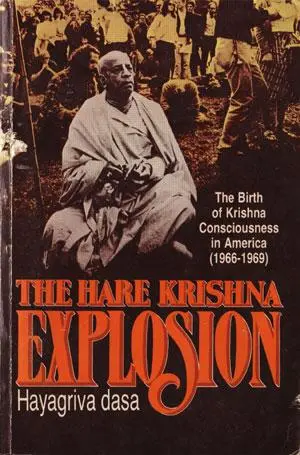
The Hare Krishna Explosion

Reference Material/Study Guide

click on image

click on image

  • LINKS