Truthfulness (satyam)

There has been so much misinformation lately, on the news networks, on social media, in politics, etc. about election results, relief funds for hurricane victims, eating pets in Springfield Ohio, etc., that it got me thinking about truthfulness. The English definition is simply: the quality of being honest and not containing or telling any lies. However according to the Vedic definition which goes a little deeper: Satyam, truthfulness, means that facts should be presented as they are for the benefit of others.

Satyam, truthfulness, means that facts should be presented as they are for the benefit of others. Facts should not be misrepresented. According to social conventions, it is said that one can speak the truth only when it is palatable to others. But that is not truthfulness. The truth should be spoken in a straight and forward way, so that others will understand actually what the facts are. If a man is a thief and if people are warned that he is a thief, that is truth. Although sometimes the truth is unpalatable, one should not refrain from speaking it. Truthfulness demands that the facts be presented as they are for the benefit of others. That is the definition of truth. (from purport Bhagavada-gita 10. 4-5)

Predictions for the Age of Hypocrisy

Predictions for the Age of Hypocrisy
Fifty centuries ago a great sage looked into the future and told us just what to expect. . .
An address based on the Srimad-Bhagavatam of Krsna-Dvaipayana Vyasa, given by His Divine Grace A.C. Bhaktivedanta Swami Prabhupada in Los Angeles during the summer of 1974.
Excerpted from Back to Godhead Magazine

tatas canu-dinam dharmah
satyam saucam ksama daya
kalena balina rajan
nanksyaty ayur balam smrtih

“My dear King, with each day religion, truthfulness, cleanliness, forgiveness, mercy, duration of life, bodily strength, and memory will all decrease more and more by the mighty force of time.” (Srimad-Bhagavatam 12.2.1)

This description of the Kali-yuga [the present Age of Quarrel and Hypocrisy] is given in the Twelfth Canto of Srimad-Bhagavatam. Srimad-Bhagavatam was written five thousand years ago, when the Kali-yuga was about to begin, and many things that would happen in the future are spoken of there. Therefore we accept Srimad-Bhagavatam as sastra [revealed scripture]. The compiler of sastra (the sastra-kara) must be a liberated person so that he can describe past, present, and future.

In Srimad-Bhagavatam you will find many things which are foretold. There is mention of Lord Buddha’s appearance and Lord Kalki’s appearance. [Lord Kalki will appear at the end of the Kali-yuga.] There is also mention of Lord Caitanya’s appearance, although the Bhagavatam was written five thousand years ago. Tri-kala-jna: the writer knew past, present, and future.

So here Sukadeva Gosvami is describing the chief symptoms of this age. He says, tatas canudinam: with the progress of this age (Kali-yuga), dharma, religious principles; satyam, truthfulness; saucam, cleanliness; ksama, forgiveness; daya, mercifulness; ayur, duration of life; balam, bodily strength; smrti, memory—these eight things will gradually decrease to nil or almost nil.

More

108 Imporant Slokas from the 1972 Bhagavad-gita As It Is

Click on image to go to Post

Click on image to go to Post

The Hare Krishna Cookbook

Songs of the Vaisnava Acaryas

Bhagavad-gita As It Is 1972 Edition “Online”

click on image

click on image to visit site

Srimad Bhagavatam Online

click on image

Raja-Vidya the King of Knowledge

click on image

click on image

Blog Stats

  • 4,551,263 hits

Enter your email address to subscribe to this blog and receive notifications of new posts by email.

Join 3,909 other subscribers

Important Slokas from the Brahma-samhita

click on image

click on image

Slokas from the Sri Isopanisad

click on image

click on image

Prayers By Queen Kunti (Slokas)

click on image

Gajendra’s Prayers of Surrender (Slokas)

click on image

A Short Statement of the Philosophy of Krishna Consciousness

click on image

click on image

July 9th Letter

click on image

click on image

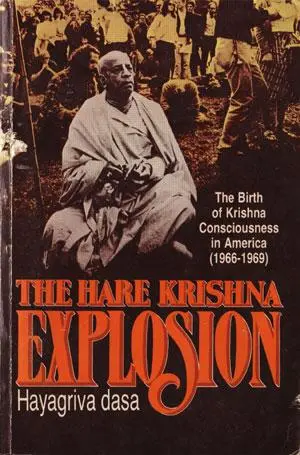
The Hare Krishna Explosion

Reference Material/Study Guide

click on image

click on image

  • LINKS