The Divine Character of Bhaktivinoda Thakura

The Divine Character of Bhaktivinoda Thakura
By Stephen Knapp

In his Sri Caitanya-shiksamrita he predicted a day when people of all nations, castes, creeds and colors would come under the banners of Sri Caitanya Mahaprabhu and dance together hand in hand in the universal church of the chanting of the Holy Name of God. He believed strongly that the sankirtana movement of Sri Caitanya Mahaprabhu would bring eternal peace and harmony to the whole world and for this reason he stressed the preaching of Sri Caitanya’s teachings, particularly through the medium of the English language in the world today.

By studying the character, life and literary works of a great Vaishnava acharya, one can derive deep understanding of how to lead one’s life in such a way that devotion to God becomes manifest in the heart. Although in the beginning of Thakura Bhaktivinoda’s life he seemed to display the activities of an ordinary mortal man, one should not wrongly think him to be so, for he is the dearly beloved associate of the Supreme Personality of Godhead Sri Krishna and it was by the Lord’s divine wish that he appeared on this mundane plane of existence, for the spiritual reformation of fallen humanity of the nineteenth century was in a miserable plight. There were so many off-shoots from the main stem of religion, each sect preaching its own philosophy, that people were thrown into utter confusion and did not know what the pure religion was. It then became a necessity for a leader to save the good souls who were hankering for their real welfare. To quench their thirst a bhakta-avatara was badly needed and that avatara appeared in the form of Thakura Bhaktivinoda. His religious disposition was observed from his very childhood and as he grew older he studied all the religious books of the world and appreciated the doctrines preached by Sri Caitanya Mahaprabhu as the most sublime of all and the surest path to lead the fallen souls to the feet of God. The enlightened and cultured men of the present age have now learned to honor this most sublime philosophy which the Thakura brought to light and which would have lain buried in darkness, had he not opened their eyes.

More

Srila Prabhupada Explains the Unique Position of Bhaktivinoda Thakura

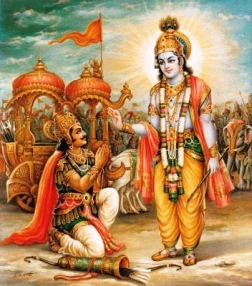
…sometimes even a liberated person like Arjuna plays the part of a conditioned soul in order to play some important part. Similarly, Bhaktivinode Thakura for sometimes was associating with the impersonalists. And then he exhibited himself in his true color as pure devotee, exactly in the same way as Arjuna exhibited in the beginning as a conditioned soul, and then as a liberated soul. So there is nothing to be misunderstood in this connection. Krishna and His devotees sometimes play like that, as much as Lord Buddha although an incarnation of Krishna, preached the philosophy of voidism.

Letter to: Madhusudana
Los Angeles
20 November, 1968

My Dear Madhusudana,

Please accept my blessings. I am in due receipt of your letter of Nov. 16, 1968, and have noted the contents carefully. Your sentiment is very much appreciated by me, and your service attitude is very nice. It is very good that you are helping to put out our magazine Back To Godhead, and whenever I see the new magazine mailed to me each month, I am so pleased to go through its contents and see all the nice work you have done, and you are always in my thoughts as I read through it, as well as Rayarama, and all your other co-workers. To make this magazine a great success is very very important to the mission. And you along with your co-workers are doing it very nicely. And Krishna will bless you, please continue to do it.

More

Killing the Demons within the Heart

Killing the Demons within the Heart

Srila Bhaktivinoda Thakura in his Sri Caitanya Siksamrita describes the demons Krishna killed in His Vrndavana pastimes and the anarthas (unwanted things) with which they may be associated.

Putana (the witch) – the pseudo guru.

Sakatasura (the cart demon) – carrying the burden of a cart-load of old and new bad habits, lethargy and vanity.

Trinavarta (the whirlwind demon) – false pride which comes from material scholarship, which leads to bogus philosophies.

Deliverance of Nalakuvara and Manigriva (breaking the twin arjuna trees) – Arrogant pride which comes from puffed-up prestige, which is rooted in a madness for wealth.

Vatsasura (the calf demon) – a childish type of mentality which gives rise to a type of greediness which results in a wicked type of mischievousness.

Bakasura (stork demon) – Cunning duplicity, deceptiveness and false types of behavior.

Aghasura (the snake demon) – Cruelty and violence.

Brahma-vimohana Pastime (Lord Brahma steals the cowherd boys and calves) – mundane activities and speculative scholasticism.

Dhenukasura (the ass demon) – gross materialistic intelligence, ignorance of spiritual knowledge.

Kaliya (chastising the Kaliya serpent) – brutality and treachery.

Extinguishing the Forest Fire – inter-communal discord among Vaishnavas.

Pralambasura (killing the Pralamba demon) – lusty inclinations; desire for personal gain and honor.

Second Forest Fire – disturbance of religious principles and interference with religious people by those who are atheist.

Brahmanas Performing Sacrifice – indifference toward Krishna caused by pride because of one’s status (position) in varnasrama.

Overcoming the Pride of Indra – demigod worship, and the tendency to think “I am Supreme.”
Nanda Maharaja Captured by Varuna – thinking that spiritual life can be enhanced by intoxication.

Nanda Maharaja Swallowed by Vidyadhara (the snake) – rescuing the truth of Krishna consciousness from being swallowed by the impersonalists.

Sankhacuda (killing the conch-shell demon and getting the jewel that was stolen by him) – proneness toward acquiring name and fame, and desire for sensuous enjoyment, under the plea of devotion.

Aristasura (the bull demon) – pride arising from indulging in false religions invented by cheaters which causes neglect of devotional service (bhakti).

Kesi (the horse demon) – The feeling that “I am a great devotee and spiritual master.”

Vyomasura (the demon in the sky) – associating with thieves and other rascals, and with people who put themselves forward as avataras.

Bhaktivinoda Thakura says: “The devotee who worships the holy name should first petition the Lord for the strength to cast out all these unfavorable tendencies and should pray thus before Lord Hari on a daily basis. By doing this regularly, the devotee’s heart will eventually become purified. Sri Krishna has killed a number of demons which may arise in the kingdom of the heart, so in order to destroy these problems, a devotee must cry very humbly before the Lord and admit defeat then the Lord will nullify all contaminations.”

Pasted from: http://www.harekrsna.de/divine-message.htm

Without the self-realized soul at its head…


Without the self-realized soul at its head…
By Hansadutta Prabhu

“The heart has reasons that reason fails to understand.”—Blaise Pascal

When the Acharya comes, he gathers around him so many people, but they’re bringing their own baggage and cannot prevail. It seems to be the rule that a collection of disciples can go only so far before there’s an overwhelming of their past.

“O well-wisher of the devotees. May you obtain peace! The nature that the living entities have developed, according to their respective karma from birth after birth in this world, influences them to engage in fruitive activities. Until desires opposed to devotional service are destroyed from the heart, no amount of good instruction can bring any auspiciousness. Such instructions will simply come out of the ear-holes and will not enter into the heart. No amount of preaching to them or discussing devotional service will produce a good result because of their bad karma. Your discourses and discussions will therefore not yield any result. My order to you is that you should live at the place where I kept My dear Haridasa and where I loudly chanted the holy names of the Lord. You should constantly sing the glories of the holy names for the benefit of the fallen souls. As a result of the piety that people will achieve by hearing from you, and the faith they will develop, they will attain unduplicitious faith in pure devotional service in a future lifetime.”—Mahaprabhu to Srila Bhaktivinoda Thakur (Sri Bhaktivinoda Vani Vaibhava)

More

Next Newer Entries

108 Imporant Slokas from the 1972 Bhagavad-gita As It Is

Click on image to go to Post

Click on image to go to Post

The Hare Krishna Cookbook

Songs of the Vaisnava Acaryas

Bhagavad-gita As It Is 1972 Edition “Online”

click on image

click on image to visit site

Srimad Bhagavatam Online

click on image

Raja-Vidya the King of Knowledge

click on image

click on image

Blog Stats

  • 4,825,895 hits

Enter your email address to subscribe to this blog and receive notifications of new posts by email.

Join 3,890 other subscribers

Important Slokas from the Brahma-samhita

click on image

click on image

Slokas from the Sri Isopanisad

click on image

click on image

Prayers By Queen Kunti (Slokas)

click on image

Gajendra’s Prayers of Surrender (Slokas)

click on image

A Short Statement of the Philosophy of Krishna Consciousness

click on image

click on image

July 9th Letter

click on image

click on image

The Hare Krishna Explosion

Reference Material/Study Guide

click on image

click on image

  • LINKS