
Who is Lord Chaitanya?
Krishna appeared as Lord Chaitanya 500 years ago in India to bring the medicine for the diseased human society in the form of this movement. He brought the chanting of Hare Krishna.
Every Town and Village
12 Jul 2015 Leave a comment
in Caitanya Mahaprabhu, Chanting Hare Krishna, Mantra Meditation, The Hare Krishna Movement Tags: A. C. Bhakthvedanta Swami Prabhupada, chanting Hare Krishna, Hare Krishna Maha-mantra, Lord Caitanya Mahaprabhu, Lord Chaitanya, mantra meditation, sankirtan movement, The Hare Krishna Movement
Who is Lord Chaitanya?
Krishna appeared as Lord Chaitanya 500 years ago in India to bring the medicine for the diseased human society in the form of this movement. He brought the chanting of Hare Krishna.
05 Jun 2015 Leave a comment
in Chanting Hare Krishna, Devotee's, Hansadutta das, Hare Krishna Maha Mantra, Mantra Meditation Tags: books by Srila Prabhupada, chanting, chanting Hare Krishna, Handadutta das, Hare Krishna, Hare Krishna Maha-mantra, holy name of Krsna, mantra meditation, philosophy of Krsna Consciousness, Srila Prabhupada
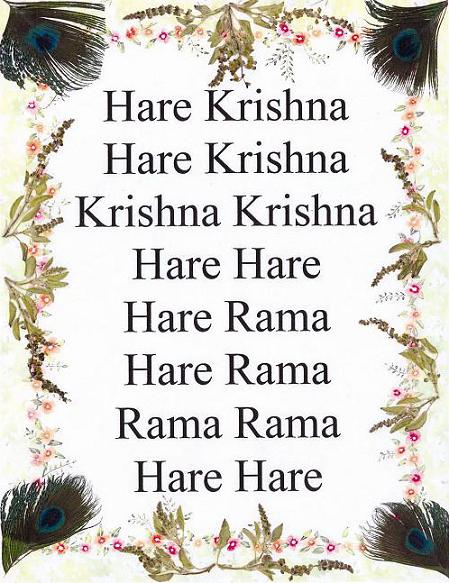
I have been going through my older files of late, and ran across this fine article posted by Hansadutta Prabhu some years ago on his site Krsna World.
Although Srila Prabhupada wrote many books, he one day asked me, “So why did I write all these books?” I said, “So we can know the philosophy, learn the philosophy.” He said, “No, the purpose of all these books is to convince you to chant the holy name of Krishna.”
The Holy Name Is All There Is
by Hansadutta das
Chanting is exactly like the simple method of inhaling and exhaling. Although it seems like a very simple act, it is nevertheless the essence of the whole thing. Without that inhaling and exhaling, none of the other activities can take place. We also understand that no one simply inhales and exhales, but all the other activities are supportive of the inhaling and exhaling.
30 Mar 2015 Leave a comment
in Chanting Hare Krishna, Kali Yuga, Mantra Meditation Tags: chant and be happy, chanting Hare Krishna, Hare Hare, Hare Krishna, Hare Rama, Maha Mantra, mantra meditation
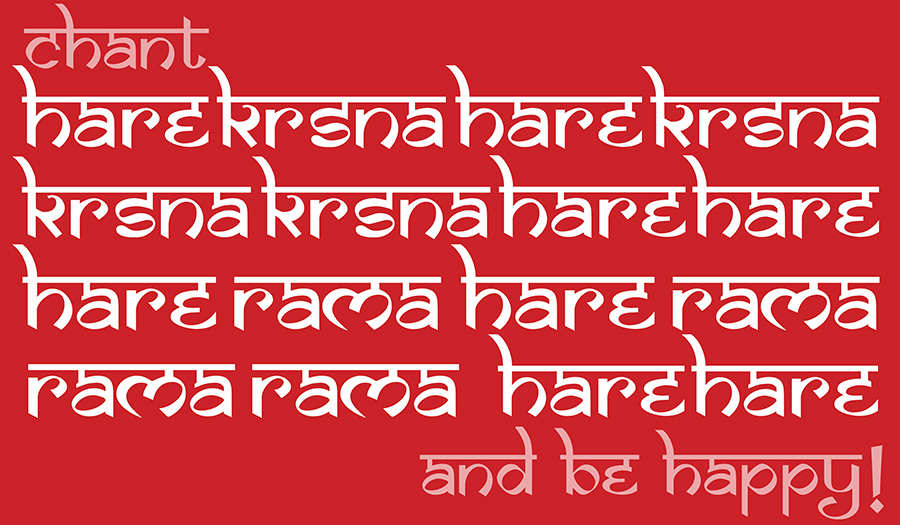
click on image to enlarge
“In the sastra it is said this Kali-yuga is full of faults, so many faults. It is the ocean of faults. But there is a very nice thing, asti hy eko mahan gunah, a very great quality. What is that? Kirtanad eva krsnasya mukta-sangah param vrajet [SB 12.3.51]. If you simply chant Hare Krishna mantra, then you become perfect. Is it very difficult? Chant Hare Krishna and you become perfect. But we are so unfortunate, we are not even prepared to chant. This is our position. So you have to make little determination that ‘I shall chant henceforward Hare Krishna mantra.’ Then everything is all right.”
19 Dec 2014 Leave a comment
in A.C. Bhaktivedanta Swami Prabhupada, Chanting Hare Krishna, Maha-mantra, Meditation, Sankirtan Tags: chanting Hare Krishna, Hare Hare, Hare Krishna, Hare Krsna, Hare Rama Rama Rama, Krsna! Krsna!, Maha Mantra, mantra meditation, Teachings of Lord Caitanya
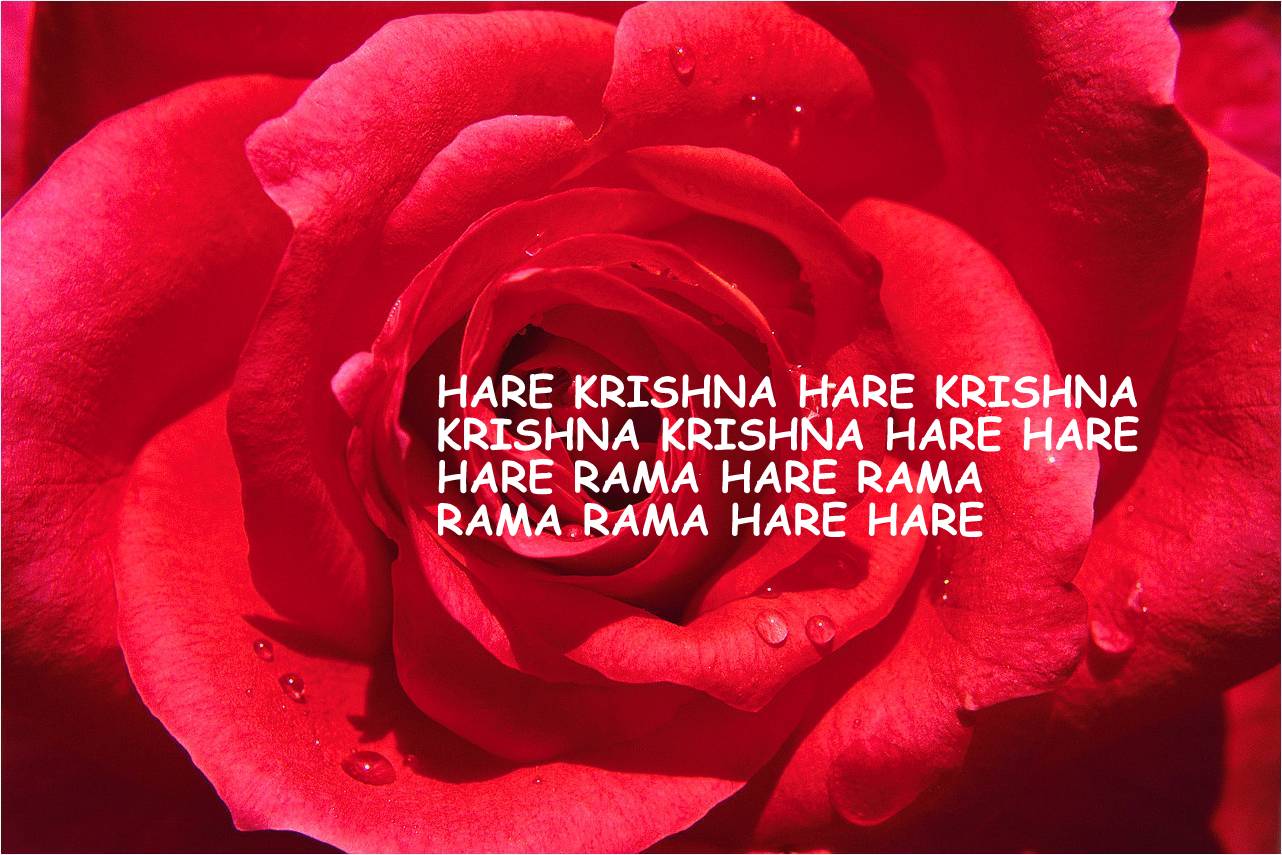
click on image to enlarge
The Spiritual Potency of Chanting Hare Krishna
Sarvabhauma Bhattacarya once asked Lord Chaitanya: “Which item is most important in the execution of devotional service?” The Lord replied: “The most important item is the chanting of the holy name of the Lord.”
Sri Caitanya Mahaprabhu further explains, ceto-darpana-marjanam the mirror of one’s heart is cleansed by the holy names; and bhava-maha-davagni-nirvapanam, it extinguishes the blazing fire of material existence. By chanting the holy names one can destroy the sinful condition of material existence and purify the unclean heart.
There is no need, therefore, to understand the language of the mantra, nor is there any need for mental speculation or any intellectual adjustment for chanting this maha-mantra. It springs automatically from the spiritual platform, and as such, anyone can take part in the chanting without any previous qualification, and dance in ecstasy. (Srila Prabhupada)
28 Nov 2014 Leave a comment
in Japa, Meditation Tags: chanting Hare Krishna, chanting japa, Hare Hare, Hare Krishna, Hare Rama, japa, kirtana, Krishna Krishna, mantra, mantra meditation, meditation, Rama Rama
Japa
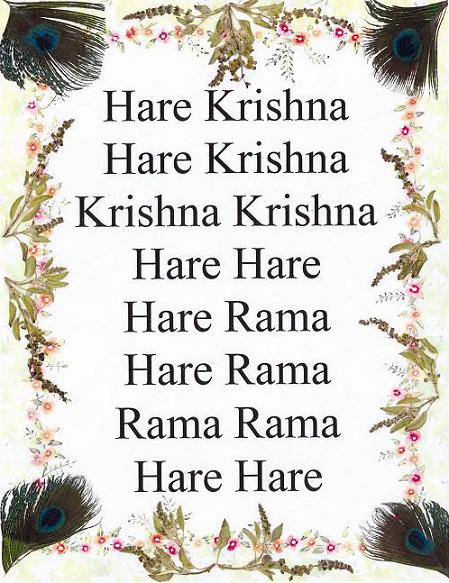
Chanting a mantra or hymn softly and slowly is called japa, and chanting the same mantra loudly is called kīrtana. For example, uttering the mahā-mantra (Hare Kṛṣṇa, Hare Kṛṣṇa, Kṛṣṇa Kṛṣṇa, Hare Hare/ Hare Rāma, Hare Rāma, Rāma Rāma, Hare Hare) very softly, only for one’s own hearing, is called japa. Chanting the same mantra loudly for being heard by all others is called kīrtana. The mahā-mantra can be used for japa and kīrtana also. When japa is practiced it is for the personal benefit of the chanter, but when kīrtana is performed it is for the benefit of all others who may hear.
In the Padma Purāṇa there is a statement: “For any person who is chanting the holy name either softly or loudly, the paths to liberation and even heavenly happiness are at once open.” (from Nectar of Devotion Chapter 9)
click on link; Srila Prabhupada Chanting
21 Feb 2014 Leave a comment

In the old days, book distributors and sankirtan devotees usually carried some mantra cards like the one above to distribute. Hopefully this practice is still going on, because if there was only one piece of literature being distributed, it should be the maha- mantra, or the great mantra for deliverance.
Following in the footsteps of Lord Caitanya Mahāprabhu, the Kṛṣṇa consciousness movement is distributing the Hare Kṛṣṇa mahā-mantra and inducing people all over the world to chant. We are giving people an immense treasury of transcendental literature, translated into all the important languages of the world, and by the grace of Lord Śrī Caitanya Mahāprabhu this literature is selling profusely, and people are chanting the Hare Kṛṣṇa mahā-mantra with great delight. This is the preaching process of the Caitanya cult. Since the Lord wanted this cult preached all over the world, the International Society for Krishna Consciousness is acting in a humble way so that the vision of Śrī Caitanya Mahāprabhu may be fulfilled all over the world, especially in the Western countries. (from purport to Adi-lila, 6.19)
08 Feb 2014 Leave a comment
in A.C. Bhaktivedanta Swami Prabhupada, Chanting Hare Krishna, Krsna Consciousness, Mantra Meditation, Meditation, The Path of Perfection, Yoga Tags: A.C. Bhaktivedanta Swami Prtabhupada, Action as Yoga, Bhagavad Gita, chanting and dancing, chanting Hare Krishna, dancing and chanting, Hare Krishna, kirtan, Krsna, mantra meditation, meditation, sankirtan, The Hare Krishna Movement, The Path of Perfection, yoga, yoga system

…In the Sixth and Eighth Chapters of Bhagavad-gītā, Lord Śrī Kṛṣṇa, the Supreme Personality of Godhead, explains that the eightfold yoga system is a means to control the mind and senses. This method, however, is very difficult for people to perform, especially in this age of Kali, an age characterized by ignorance and chaos.
Although this eightfold yoga system is particularly recommended in the Sixth Chapter of Bhagavad-gītā, the Lord emphasizes that the process of karma-yoga, action in Kṛṣṇa consciousness, is superior.
…No one really wants to sit down and meditate. Why should we? We’re meant for positive activity, for recreation, for pleasure. In Kṛṣṇa consciousness, our recreation is dancing and chanting, and when we get tired, we take prasāda. Is dancing difficult? Is chanting difficult? We don’t charge anything to dance in the temple. If you go to a ballroom, you have to pay to enter, but we do not charge. It is natural to enjoy music and dancing and palatable foods. These are our recreations, and this is our method of meditation. So this yoga system is not at all laborious. It is simply recreation, susukham. It is stated in the Ninth Chapter of Bhagavad-gītā (9.2) that this yoga is susukham—very happy. “It is everlasting, and it is joyfully performed.” It is natural, automatic, and spontaneous. It is our real life in the spiritual world. (The Path of Perfection)
Full Chapter More
23 Jan 2014 Leave a comment
in Chanting Hare Krishna, Harinama Sankirtan, Krishna Consciousness, Locanananda das, Sankirtan, The Hare Krishna Movement Tags: Back to Godhead Magazine, BTG, chanting Hare Krishna, enthusiastic devotees, Fifth Ave., Hare Krishna, Hari Nama Sankirtan, Locanananda dasa, Lord Jagannatha's Rathayatra parade, mantra meditation, Near Death while Out Chanting, sankirtan, sankirtana cleanses the heart, Sri Krsna sankirtana, Yajna Purusa dasa

The following is a very nice story which appeared as a Back to Godhead Magazine Article back in 1998. It was written by Locanananda dasa and he recounts the true events that occurred while out chanting on a hot summers day, in the streets of New York City.
24 Oct 2013 Leave a comment
in A.C. Bhaktivedanta Swami Prabhupada, Japa, Nectar of Devotion, Practicing Krishna Consciousness at Home Tags: A.C. Bhaktivedanta Swami Prabhupada, chanting Hare Krishna, holy name, japa, japa bag, japa beads, kirtan, Maha Mantra, mantra meditation

This is such a beautiful picture of Srila Prabhupada with his japa bag, that we thought we would do a short post on ‘japa’.
When a mantra or hymn is chanted softly and slowly, that is called japa. The same mantra, when chanted loudly, is called kīrtana. For example, the mahā-mantra (Hare Kṛṣṇa, Hare Kṛṣṇa, Kṛṣṇa Kṛṣṇa, Hare Hare/ Hare Rāma, Hare Rāma, Rāma Rāma, Hare Hare) when uttered very softly only for one’s own hearing is called japa. The same mantra, when chanted loudly for being heard by all others, is called kīrtana. The mahā-mantra can be used for japa and kīrtana also. When japa is practiced it is for the personal benefit of the chanter, but when kīrtana is performed it is for the benefit of all others who may hear.
In the Padma Purāṇa there is a statement: “For any person who is chanting the holy name either softly or loudly, the paths to liberation and even heavenly happiness are at once open.” (Nectar of Devotion Chapter 9)
Of all the sacrifices, the chanting of Hare Kṛṣṇa, Hare Kṛṣṇa, Kṛṣṇa Kṛṣṇa, Hare Hare/ Hare Rāma, Hare Rāma, Rāma Rāma, Hare Hare is the purest representation of Kṛṣṇa. (from purport; Bhagavad-gita 10.25)
09 Aug 2013 Leave a comment
in A.C. Bhaktivedanta Swami Prabhupada, Chanting Hare Krishna, Maha-mantra, Mantra Meditation, Nectar of Devotion Tags: A.C. Bhaktivedanta Swami Prabhupada, chanting Hare Krishna, Hare Hare, Hare Krsna, Hare Rama, heavenly happiness, liberation, Maha Mantra, mantra meditation, Nectar of Devotion, singing the flories of the Lord

This morning I was reading from the Nectar of Devotion the chapter entitled “The Mahā-mantra”. We have posted the entire chapter as well as some other related quotes from the Nectar of Devotion on the Maha-mantra.
In the Padma Purāṇa there is a statement: “For any person who is chanting the holy name either softly or loudly, the paths to liberation and even heavenly happiness are at once open.”
When a mantra or hymn is chanted softly and slowly, that is called japa. The same mantra, when chanted loudly, is called kīrtana. For example, the mahā-mantra (Hare Kṛṣṇa, Hare Kṛṣṇa, Kṛṣṇa Kṛṣṇa, Hare Hare/ Hare Rāma, Hare Rāma, Rāma Rāma, Hare Hare) when uttered very softly only for one’s own hearing is called japa. The same mantra, when chanted loudly for being heard by all others, is called kīrtana. The mahā-mantra can be used for japa and kīrtana also. When japa is practiced it is for the personal benefit of the chanter, but when kīrtana is performed it is for the benefit of all others who may hear.
In the Liṅga Purāṇa there is a statement about glorifying and singing about the Lord. It is said there: “A brāhmaṇa who is constantly engaged in singing the glories of the Lord is surely elevated to the same planet as the Supreme Personality of Godhead. Lord Kṛṣṇa appreciates this singing even more than the prayers offered by Lord Śiva.”
In the Viṣṇu-dharma there is a statement glorifying this process of congregational chanting: “My dear King, this word ‘Kṛṣṇa’ is so auspicious that anyone who chants this holy name immediately gets rid of the resultant actions of sinful activities from many, many births.” That is a fact. There is the following statement in Caitanya-caritāmṛta: “A person who chants the holy name of Kṛṣṇa once can counteract the resultant actions of more sinful activities than he is able to perform.” A sinful man can perform many, many sinful activities, but he is unable to perform so many that they cannot be wiped out by one single uttering of “Kṛṣṇa.”
“Anyone who is engaged in chanting My transcendental name must be considered to be always associating with Me. And I may tell you frankly that for such a devotee I become easily purchased.”
In the Padma Purāṇa also it is stated: “The chanting of the Hare Kṛṣṇa mantra is present only on the lips of a person who has for many births worshiped Vāsudeva.” It is further said in the Padma Purāṇa, “There is no difference between the holy name of the Lord and the Lord Himself. As such, the holy name is as perfect as the Lord Himself in fullness, purity and eternity. The holy name is no material sound vibration, nor has it any material contamination.”
Full Chapter More
15 Jul 2013 Leave a comment
in A.C. Bhaktivedanta Swami Prabhupada, Chanting Hare Krishna, Lectures Tags: A.C. Bhaktivedanta Swami, Avatara, chanting Hare Krishna, Hare, Hare Krishna, Krishna, lecture on the maha-mantra, Maha Mantra, mantra, mantra meditation, prabhupada, Prabhupada Lecture, Rama, sound incarnation, Srila Prabhupada, swami, transcendental sound

So this sound, this Hare Krsna, Hare Krsna, Krsna Krsna, Hare Hare. Hare Rama, Hare Rama, Rama Rama, Hare Hare, is the sound representation of the Supreme Lord.
Lecture on Maha-mantra
By His Divine Grace A.C. Bhaktivedanta Swami Prabhupada
Recorded September 8th, 1966, New York
Prabhupada: Now, some of you members have asked me to explain the meaning of this chanting, Hare Krishna, Hare Krsna, Krsna Krsna, Hare Hare. Hare Rama, Hare Rama, Rama Rama, Hare Hare. Now, this sound is transcendental sound, transcendental sound, incarnation, sound incarnation of the Absolute Truth. Just try to understand what is incarnation. Incarnation means… The Sanskrit word is avatara, and that is translated into English as “incarnation.” Of course, the root meaning of incarnation I cannot exactly explain to you, but the root meaning of the… (aside:) The root meaning of avatara is “which comes from the transcendental sky, the spiritual sky to the material sky.” That is called avatara. Avatarana. Avatarana. Just like… Avatarana means “coming from up to down.” That is called avatarana. And avatara is understood that when God or His bona fide representative comes from that sky to this material plane, that is called avatara.
27 Feb 2013 Leave a comment
in A.C. Bhaktivedanta Swami Prabhupada, Krishna Consciousness, Kulashekara das, Remembering Srila Prabhupada, Srila Prabhupada, The Hare Krishna Movement Tags: Billy Preston, Colin Jury, George Harrison, john & Yoko, John Lennon, kirtan at Georges house, Kulasekhara das, mantra meditation, prabhupada, Radha Krishna Temple, Shyamasundar, tablas, Tittenhurst, TM, Yamuna devi, yoga
click on image to enlarge
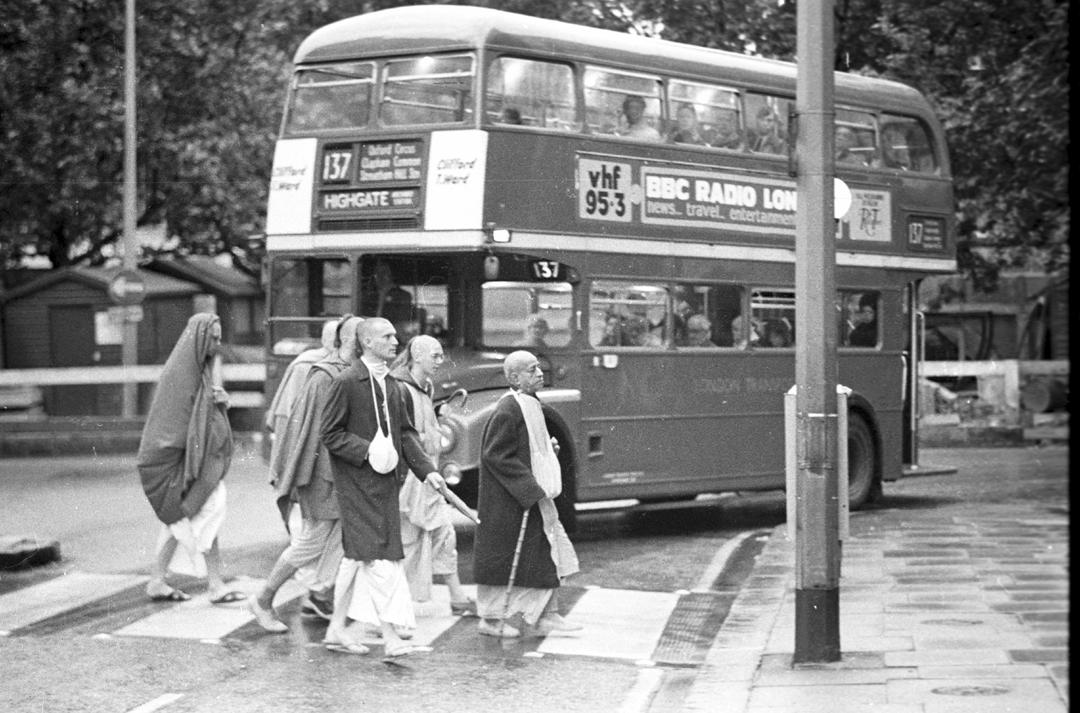
Srila Prabhupada’s England Visit
by Kulashekara Das
The journey with Swami Prabhupada has been the most satisfying aspect of my life. His values of life has given a new dimension to the world and has helped people in all the facets of life.
Advent
In the late 1960’s I first came in contact with practitioners of the Vaishnava tradition. Several American disciples of A.C. Bhaktivedanta Swami Prabhupada had arrived in the UK to establish a Radha Krishna Temple.
I was quite impressed with the depth of Vedic philosophy and especially with the chanting of the Holy Names of God. Almost overnight I quit my entire Rock n Roll lifestyle and my job and began my life as a Brahmachari. I soon found myself living at John & Yoko Lennon’s eighty plus acre estate – “Tittenhurst” and ended up staying there for six months.
17 Jan 2013 Leave a comment
in Chanting Hare Krishna, Mantra Meditation, Meditation Tags: Bg 8.8, chanting, chanting Hare Krishna, Hare Krishna, mantra meditation, sixteen words, Srila Prabhupada, Srimad Bhagavatam lecture 7.9.10, Sriman Havagriva brahmacari, vishnujana swami

He who meditates on the Supreme Personality of Godhead, his mind constantly engaged in remembering Me…is sure to reach Me.
…In this verse Lord Kṛṣṇa stresses the importance of remembering Him. One’s memory of Kṛṣṇa is revived by chanting the mahāmantra, Hare Kṛṣṇa. By this practice of chanting and hearing the sound vibration of the Supreme Lord, one’s ear, tongue and mind are engaged. This mystic meditation is very easy to practice, and it helps one attain the Supreme Lord. (from purport to Bhagavad-gita 8.8)
26 Dec 2012 Leave a comment
in Chanting Hare Krishna, Sri Nandanandana das, Stephen Knapp Tags: age of kali, age of quarrel and anxiety, chanting Hare Krishna, Hare Krishna, Hare Rama, Maha Mantra, mantra meditation, sixteen words, Sri Nandanandana das, Stephen Knapp, Vedic Scriptures, yoga

This is Part 2 in the series on chanting by Sri Nandanandana Prabhu. This is a collection of quotes from the Vedic Scriptures advocating the merits of chanting the Holy Names. To read Part 1
Chanting the Maha-Mantra
by Stephen Knapp (Sri Nandanandana dasa)
Part 2
There are many Vedic references which specifically recommend the chanting of the Hare Krishna maha-mantra as the most effective and advantageous means of reaching spiritual realization and counteracting all the problems of this age. Some of these verses are the following:
These sixteen words–Hare Krishna, Hare Krishna, Krishna Krishna, Hare Hare/Hare Rama, Hare Rama, Rama Rama, Hare Hare–are especially meant for counteracting the ill effects of the present age of quarrel and anxiety. (Kali-santarana Upanishad)
13 Nov 2012 1 Comment
in Chanting Hare Krishna, Sri Nandanandana das, Stephen Knapp Tags: chanting Hare Krishna, Hare Krishna, mantra meditation, meditation, Om, omkara, Sri Nandanandana das, Sthphen Knapp

This will begin a new 6 part series on ‘Chanting Hare Krishna’ written by Sri Nandanandana Prabhu (Stephen Knapp).
Hare Krishna, Hare Krishna,
What’s So Special About Chanting Hare Krishna?
By Stephen Knapp
Hare Krishna, Hare Krishna
Krishna Krishna, Hare Hare
Hare Rama, Hare Rama
Rama Rama, Hare Hare
We’ve all heard the Hare Krishna mantra at some time, but what the heck is so special about this mantra? Why are we supposed to spend time chanting it? What can it do for us?
28 Jan 2011 Leave a comment
in Chanting Hare Krishna, Devotee's Tags: Book Distribution, devotional service, Krishna movement, mantra meditation, On Chanting Hare Krishna, sankirtan, Wholesale books by KBI
 On Chanting Hare Krishna
On Chanting Hare Krishna Booklet
Great for Distribuiton!!! 800 booklets per case!
Wholesale for Book Distributors “On Chanting Hare Krishna” is a small 16 page full-color booklet which gives a wonderful introduction to the Hare Krishna movement and it’s Founder-Acharya, His Divine Grace A.C. Bhaktivedanta Swami Prabhupada. It was originally published in balck & white. Now for the first time it is available in FULL COLOR!
Special thanks to Palaka Das for financing this printing.
800 booklets to the Case!
Price: $45.00
Author: A.C. Bhaktivedanta Swami Prabhupada and disciples
Full-color Booklet 5″x7″
Pages: 16
This case of booklets can be purchased online by visiting http://www.theharekrishnamovement.com
Click on image to go to Post


click on image to visit site


click on image

click on image

click on image


click on image

click on image

click on image
 The Hare Krishna Movement