Prasadam: The Lords Mercy

Krishna Prasadam, The Lords Mercy

Prasadam
How to Prepare and Offer Food

Food prepared for and offered to Krishna with love and devotion becomes completely spiritualized. Such food is called Krishna prasadam, which means “the mercy of Lord Krishna.”

Lord Caitanya said of prasadam…”now that they have been prepared for Krishna and offered to Him with devotion, these foods have acquired extraordinary tastes and uncommon fragrances. Just taste them and see the difference! Apart from the taste, even the fragrance pleases the mind and makes one forget any other fragrance. Therefore, it should be understood that the spiritual nectar of Krishna’s lips must have touched these ordinary foods and imparted to them all their transcendental qualities.”

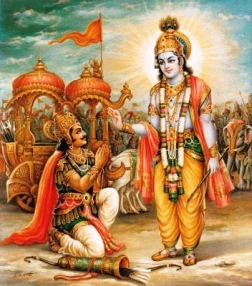
Eating only food offered to Krishna is the perfection of vegetarianism. In the Bhagavad-gita Lord Krishna says that unless one eats only food that has been offered to Him in sacrifice, one will suffer the reactions of karma. He also states, “If one offers Me with love and devotion a leaf, a flower, a fruit, or water, I will accept it.”

Wwe can offer Krishna foods prepared from milk products, vegetables, fruits, nuts, and grains. Meat, fish and eggs are not offerable. And a few vegetarian items are also forbidden— garlic and onions, for example, which are in the mode of darkness. (Hing, or asafoetida, is a tasty substitute for them in cooking.) Nor can you offer Krishna coffee or tea.

In preparing food, cleanliness is the most important principle. Nothing impure should be offered to God, so keep your kitchen very clean. Always wash your hands thoroughly before entering the kitchen. While preparing food, do not taste it, for you are cooking the meal not for yourself but for the plea¬sure of Krishna. Arrange positions of the food on dinnerware kept especially for this purpose; no one but the Lord should eat from these dishes. The easiest way to offer food is simply to pray, “My dear Lord Krishna, please accept this food,” and to chant each of the following prayers three times while ringing a bell.

prasadam spiritual food
More

Basic Chapati Recipe

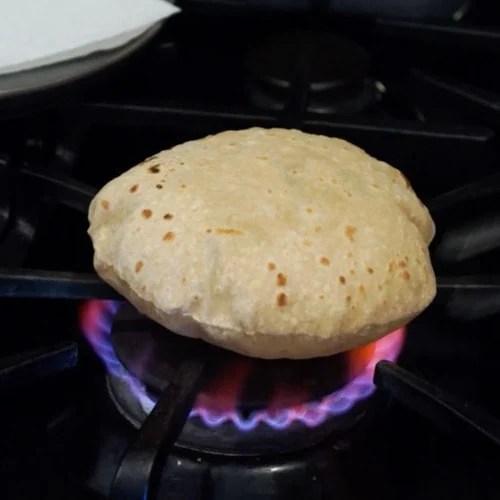
With all this cold weather, I have been spending more time in the kitchen. Instead of the quick meal that often took place after a long days work, we are finding renewed pleasure in going through our vegetarian cookbooks and planning nice well balanced meals. One thing we have been eating more of is chapatis. They go well with almost every vegetable dish, are easy to prepare, and are a healthy alternative to bread which usually contains yeast.

From The Hare KRSNA Cookbook 1972

Basic Chapati
1 cup Whole Weat Flour
1/4 cup Melted Butter
Warm water

Mix the flour and water together, adding water gradually until dough is soft but not wet, and can be kneaded. Knead the dough until it’s fairly soft (8 to 10 minutes). Cover and let dough rest for one hour. Sprinkle flour on rolling area and makes 1-1/2 inch balls out of dough. Flatten balls and roll out to about 4-5″ diameter. Place the chapati on a heated skillet (dry, free from oil) and cook until bubbles appear. Turn chapati quickly and let cook until bubbles appear again. Using tongs, remove chapati from pan, and hold over an open flame or burner to make it puff up. Heat it first on the side that was first cooked. You can lay directly on the burner for a brief moment, but don’t let it stick. When chapati puffs up, turn quickly and repeat on other side till it puffs. Remove, butter both sides, and cover with a clean cloth to keep in heat while remaining chapatis are cooked.

Radhaballabha Kachoris

Today we celebrate the Appearance Day of Srimati Radharani [Radhastami] with a half day fast followed by a feast cooked in honor of Srimati Radharani. She appears at noon so we begin our day with songs in praise of Srimati Radharani and time in the kitchen cooking up a nice vegetarian offering. Since She is fond of Kachori’s, we share with you this nice recipe from “The Hare Krishna Cookbok”; Radhaballabha Kachoris.

“This preparation is one of Srimati Radharani’s favorites and is always prepared for Her appearance day. There is nothing in the material world to compare with the flavor of Radhaballabha Kachoris”.

Radhaballabha Kachoris Recipe

ghee for deep frying
1 cup of cleaned, split urad dhal
2 cups white flour
cayenne pepper
asafoetida
2 T. freshly ground anise seed
butter or ghee solids

Wash urad dahl thoroughly. Soak in water overnight. Drain, leaving a tiny bit of water. In a blender, grind urad dhal untill it is a smooth paste, adding a little more water if necessary. The past should ve very thick. Set aside. Add ground anise seed to paste. Using white flour, butter or ghee solids and water, make a soft dough, like puri dough. (not wet.) Let the dough sit for one hour under a dampened cloth. Meanwhile prepare three very small bowls in the following manner:

1. Put in a mixture of 1 T. water and 1/2 t. asafoetida.
2. Put plain salt in the second.
3. Put cayenne pepper in the third.

Pinch off balls of dough one inch in diameter. Roll them out into circles of 2 1/2 inches in diameter. Pinch off a ball of kachori paste about one inch in diameter; dip into each of bowls in succession, and place in the center of the circle of kachori dough. Gather up the dough around the paste as you would gather a paper bag. Make sure all the urad dahl paste is covered, and seal the top edge very well using a little water. Flatten the sealed kachori with a rolling pin and then roll gently as you would apuri or chapati.

Be carful not to break the surfaces. If necessary, pat them out by hand. Deep-fry the kachori in fairly hot ghee as you would a puri. Stand up kachoris on paper toweling to drain. Before offering them, re-fry very quickly, but do not brown.

“This preparation is one of Srimati Radharani’s favorites and is always prepared for Her appearance day. There is nothing in the material world to compare with the flavor of Radhaballabha Kachoris”.

This recipe I copied from;The Hare Krishna Cookbook” [click on link to down load the entire book]

Vegetarian Life

Nothing will benefit human health and increase chances for the survival of life on Earth as much as the evolution to a vegetarian diet. -Albert Einstein

I personally feel it is very important to eat as healthy as possible. That is one of the reasons I plant a garden. Although not everyone has that luxury to plant a garden, still there are so many fresh fruits and vegetables available in every American grocery store, there is ample opportunity to eat a healthy vegetarian diet.

Back in 1972 when I first became a vegetarian, the challenge was learning how to cook vegetarian meals. Therefore I am including the first cookbook that taught me the basics as a free pdf download (just click on link at bottom of post). Wishing you all a happy and healthy life. -V

More

Health Consciousness/Standard Devotee Diet

Once when Srila Prabhupada saw what was being served to the devotees, lavishly prepared multi-course lunches, he told the managers that it was too opulent. He said we should eat simply during the week with rice, dhal, chapatis and a little subji and once a week on the Sunday love feasts we could be more lavish. Today with more of us becoming Health Conscious, it is good to remember the very simple devotee diet that was recommended to us so long ago.

Standard Devotee Diet

Srila Prabhupada recommended a standard diet for the devotees, and instructed that all of the temples should follow it every day. That menu follows:

BREAKFAST:

Simple farina cereal with nuts and raisins
Milk (steaming hot), or yogurt in the summertime
Chick peas (raw, soaked overnight)
Ginger root (raw)
Oranges, apples and/or bananas

LUNCH:

Rice
Chapatis
Dal made with freshly ground ginger root and freshly ground spices
Subji made with ghee, freshly ground ginger root and freshly ground spices

BEFORE TAKING REST:

Milk (steaming hot)
Bananas

For a free download of the Hare Krishna Cookbook on pdf More

108 Imporant Slokas from the 1972 Bhagavad-gita As It Is

Click on image to go to Post

Click on image to go to Post

The Hare Krishna Cookbook

Songs of the Vaisnava Acaryas

Bhagavad-gita As It Is 1972 Edition “Online”

click on image

click on image to visit site

Srimad Bhagavatam Online

click on image

Raja-Vidya the King of Knowledge

click on image

click on image

Blog Stats

  • 4,615,663 hits

Enter your email address to subscribe to this blog and receive notifications of new posts by email.

Join 3,906 other subscribers

Important Slokas from the Brahma-samhita

click on image

click on image

Slokas from the Sri Isopanisad

click on image

click on image

Prayers By Queen Kunti (Slokas)

click on image

Gajendra’s Prayers of Surrender (Slokas)

click on image

A Short Statement of the Philosophy of Krishna Consciousness

click on image

click on image

July 9th Letter

click on image

click on image

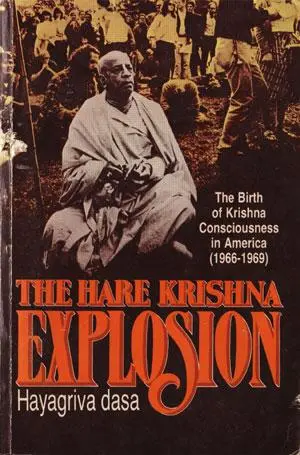
The Hare Krishna Explosion

Reference Material/Study Guide

click on image

click on image

  • LINKS