
As most all devotees are vegetarian, I thought this would be a beneficial post. I am avid gardener and cook when I am at home, and enjoy picking fresh greens and other garden vegetables to offer the Lord every day.
Note: some editing has been done by me, for quicker reading.
What Are the Healthiest Vegetables?
By: Samantha Cassetty, RD
Most people are familiar with the phrase “eat your vegetables” —and it’s good advice for many reasons.
If you’re deciding which vegetables to add to your weekly lineup, check out our list of healthiest vegetables, along with some of their research-backed benefits.
What is the healthiest vegetable?
Spinach takes the top prize as the healthiest vegetable because of its range of nutrients and benefits.
Spinach contains numerous types of antioxidants that guard against cancer, heart disease and Type 2 diabetes. One antioxidant abundant in spinach supports eye health and may protect against age-related macular degeneration, the leading cause of vision loss in older adults. Spinach is also loaded with other essential vitamins and minerals, including folate, vitamin A, K and C.
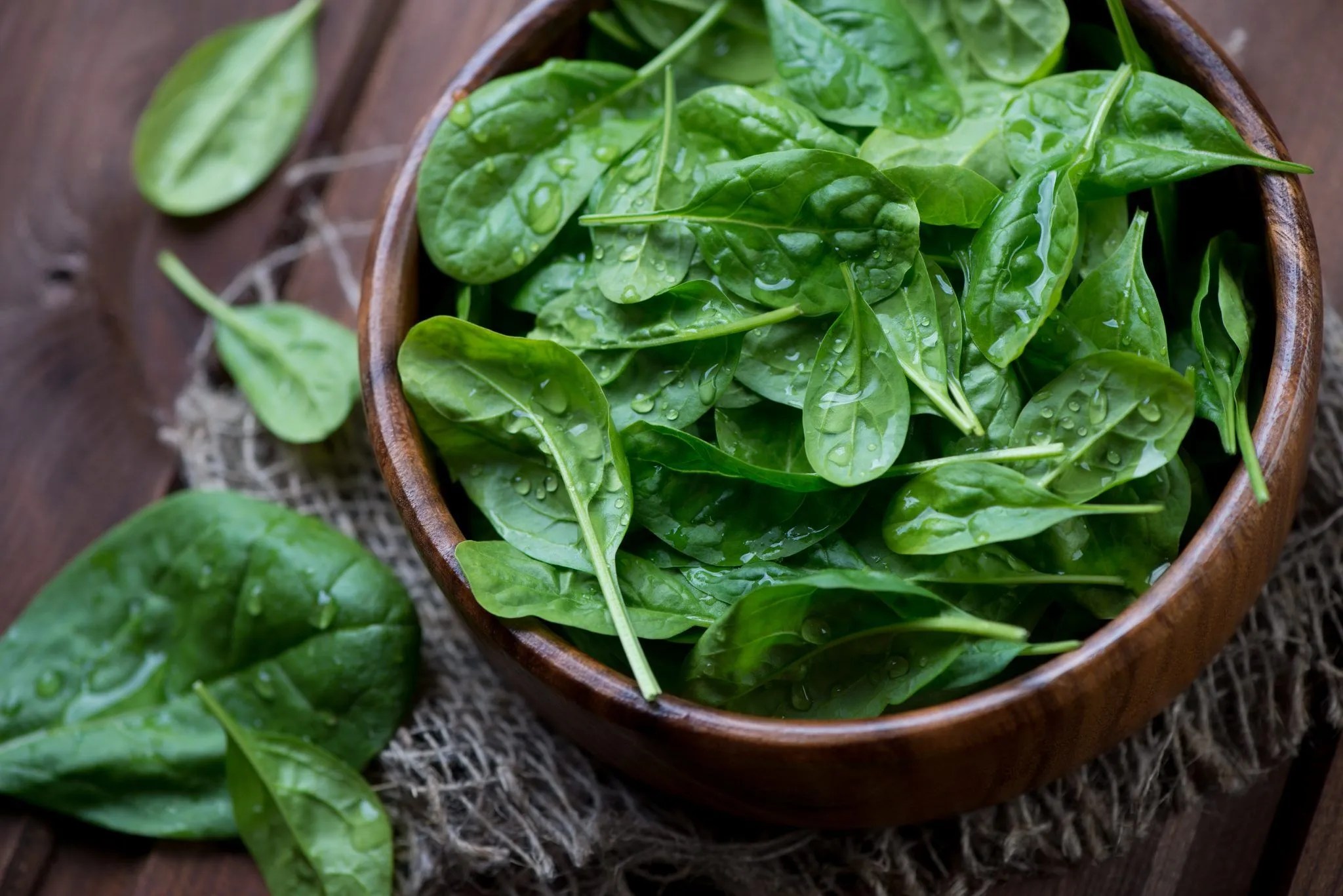
There is no doubt that spinach has a lot going for it, but including a range of vegetables in your diet is the most beneficial. This strategy helps you get the plant diversity you need to optimize your health, while also helping you meet the recommended amounts of fiber, vitamins, and minerals, and get the broadest range of nutrients.
Take note that there are two types of vegetables: starchy and non-starchy. While both types include beneficial nutrients, starchy vegetables count as the carbohydrate portion of your plate. It’s a good rule of thumb to eat twice the amount of non-starchy vegetables compared to starchy foods, including starchy veggies.
Here are some of the healthiest vegetables to incorporate into your menu.
More







 The Hare Krishna Movement