Ganesha: Remover of Obstacles

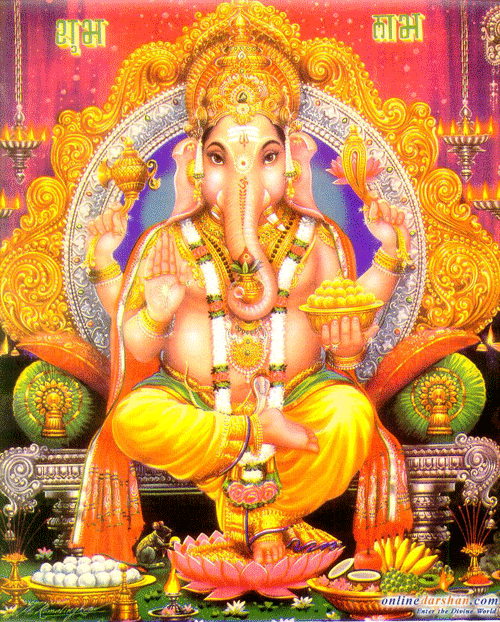
Ganesha (Sanskrit: गणेश; IAST: Gaṇeśa) also spelled Ganesa or Ganesh, also known as Ganapati (Sanskrit: गणपति;IAST: gaṇapati), Vinayaka (Sanskrit: विनायक; IAST: Vināyaka), and Pillaiyar (Tamil: பிள்ளையார்), is one of the deities best-known and most widely worshipped in the Hindu pantheon. His image is found throughout India and Nepal. Hindu sects worship him regardless of affiliations. Devotion to Ganesha is widely diffused and extends to Jains, Buddhists, and beyond India.

Ganesha is Vighneshvara or Vighnaraja, the Lord of Obstacles, both of a material and spiritual order. He is popularly worshipped as a remover of obstacles, though traditionally he also places obstacles in the path of those who need to be checked. [pasted from; Wikipedia.org]

Ganesa: Remover of Obstacles
By Satyaraja Dasa
from; Back to Godhead Magazine

The joyous elephant-faced deity known as Ganesa is revered by one billion Hindus worldwide, and though his worship has little place in the modern-day Hare Krsna movement, his personality and pastimes are part of ISKCON’s heritage.

Ganesa is often seen as the creator and remover of obstacles, as the guardian at entrances, and as a spiritually potent figure who can avert all evil influences. In popular Hindu lore he is thus the god to be worshiped first, before all religious ceremonies, public and private. Things tend to start off with Ganesa, and this is reflected even in common idiomatic phrases. For example, in Maharashtra when a dedication or inauguration is to be performed, a Marathi speaker may refer to the occasion as Sri ganesa karane (“doing the Sri Ganesa”). Another such expression is ganapatice kele (“to conceive a child”). Similar phrases are found in other Indian languages.

More

Cow Protection; Lord Krishna’s Example

<Lord Krishna’s Example
To teach by example, the Supreme Lord Sri Krishna and Lord Balaram show us when They descend into this world, how important is to protect, love and serve Cows and Bulls. Krishna is known as Gopala (protector of the Cows) or Govinda (one who gives pleasure to the Cows). Lord Balaram represents plowing the land for agriculture and therefore always carries a plow in His hand, whereas Krishna tends Cows and therefore carries a flute in His hand. Thus the two brothers represent krisi-raksha (protecting Bulls by engaging them in farming) and go-raksha (protecting the Cows). 10.5.20 Purport
“Offering respect to the Cows will help the devotee to diminish the reactions to his past sinful activities” (Skanda Purana)

Vrindavan’s Cows are constant remainders of Krishna’s ecstatic Cow herding lilas (pastimes). By serving the Cows one receives tremendous spiritual benefit. Feeding grains to the Cows, offering puja, or simply a scratch under the neck will please these peaceful personalities and attracts the attention of Supreme Personality of Godhead Sri Govinda. The Gautamiya Tantra says, “One should gently scratch the body of a Cow, offer her a mouthful of green grass and reverentially circumambulate her. If Cows are maintained nicely and comfortably, Lord Gopal will be pleased.”

More

Next Newer Entries

108 Imporant Slokas from the 1972 Bhagavad-gita As It Is

Click on image to go to Post

Click on image to go to Post

The Hare Krishna Cookbook

Songs of the Vaisnava Acaryas

Bhagavad-gita As It Is 1972 Edition “Online”

click on image

click on image to visit site

Srimad Bhagavatam Online

click on image

Raja-Vidya the King of Knowledge

click on image

click on image

Blog Stats

  • 4,551,062 hits

Enter your email address to subscribe to this blog and receive notifications of new posts by email.

Join 3,909 other subscribers

Important Slokas from the Brahma-samhita

click on image

click on image

Slokas from the Sri Isopanisad

click on image

click on image

Prayers By Queen Kunti (Slokas)

click on image

Gajendra’s Prayers of Surrender (Slokas)

click on image

A Short Statement of the Philosophy of Krishna Consciousness

click on image

click on image

July 9th Letter

click on image

click on image

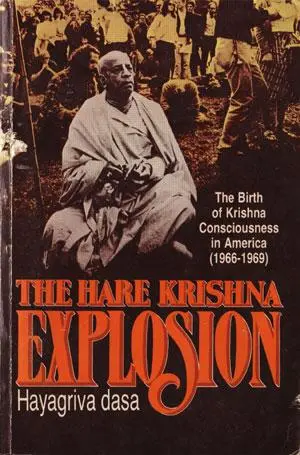
The Hare Krishna Explosion

Reference Material/Study Guide

click on image

click on image

  • LINKS