
As most all devotees are vegetarian, I thought this would be a beneficial post. I am avid gardener and cook when I am at home, and enjoy picking fresh greens and other garden vegetables to offer the Lord every day.
Note: some editing has been done by me, for quicker reading.
What Are the Healthiest Vegetables?
By: Samantha Cassetty, RD
Most people are familiar with the phrase “eat your vegetables” —and it’s good advice for many reasons.
If you’re deciding which vegetables to add to your weekly lineup, check out our list of healthiest vegetables, along with some of their research-backed benefits.
What is the healthiest vegetable?
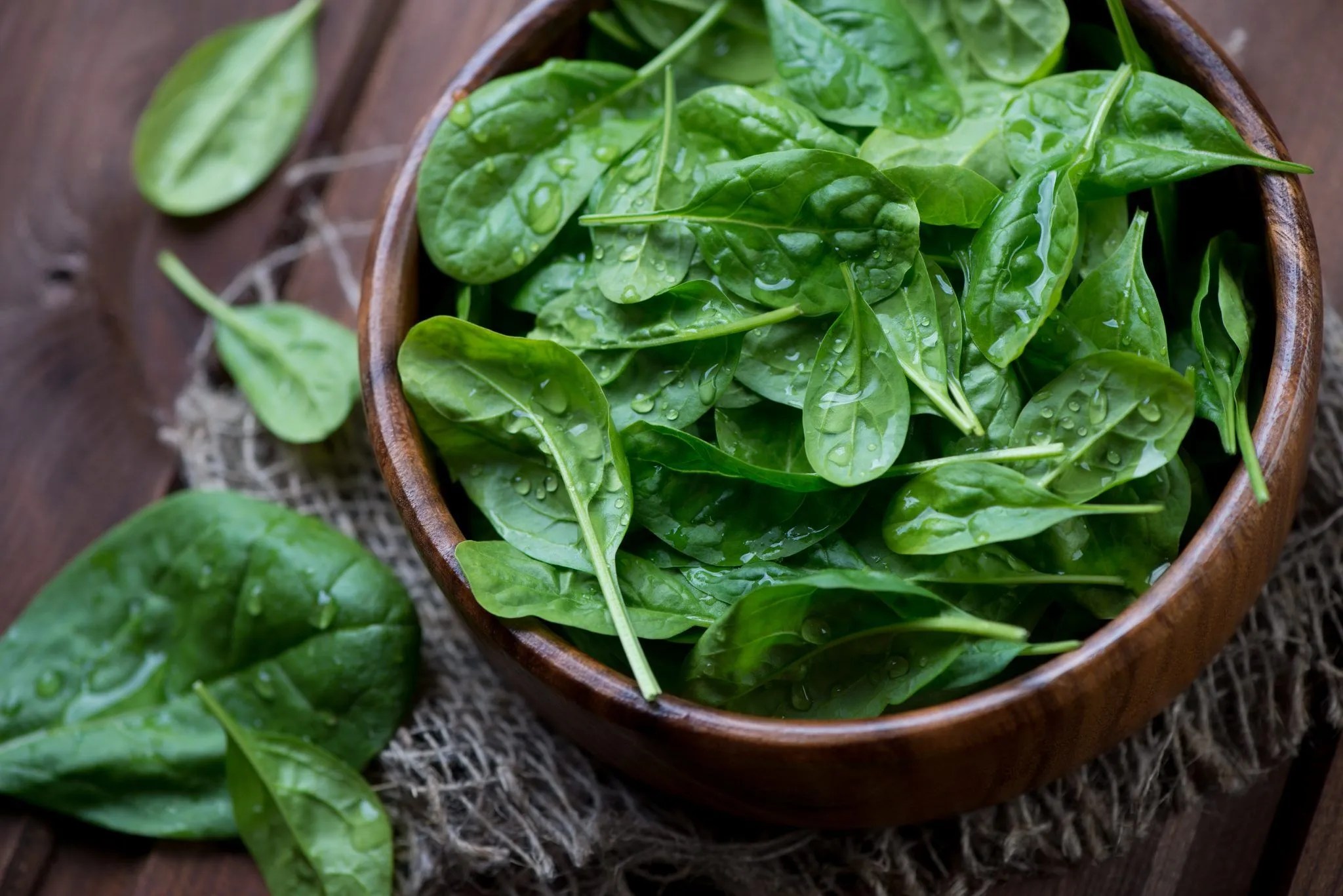
Spinach takes the top prize as the healthiest vegetable because of its range of nutrients and benefits.
Spinach contains numerous types of antioxidants that guard against cancer, heart disease and Type 2 diabetes. One antioxidant abundant in spinach supports eye health and may protect against age-related macular degeneration, the leading cause of vision loss in older adults. Spinach is also loaded with other essential vitamins and minerals, including folate, vitamin A, K and C.
There is no doubt that spinach has a lot going for it, but including a range of vegetables in your diet is the most beneficial. This strategy helps you get the plant diversity you need to optimize your health, while also helping you meet the recommended amounts of fiber, vitamins, and minerals, and get the broadest range of nutrients.
Take note that there are two types of vegetables: starchy and non-starchy. While both types include beneficial nutrients, starchy vegetables count as the carbohydrate portion of your plate. It’s a good rule of thumb to eat twice the amount of non-starchy vegetables compared to starchy foods, including starchy veggies.
Here are some of the healthiest vegetables to incorporate into your menu.
Collard greens
Like other leafy greens, collard greens have antioxidants that reduce cell-damaging oxidative stress— a phenomenon that contributes to a range of chronic issues. They’re also packed with other nutrients, including 25% of your daily requirement for calcium.
Kale
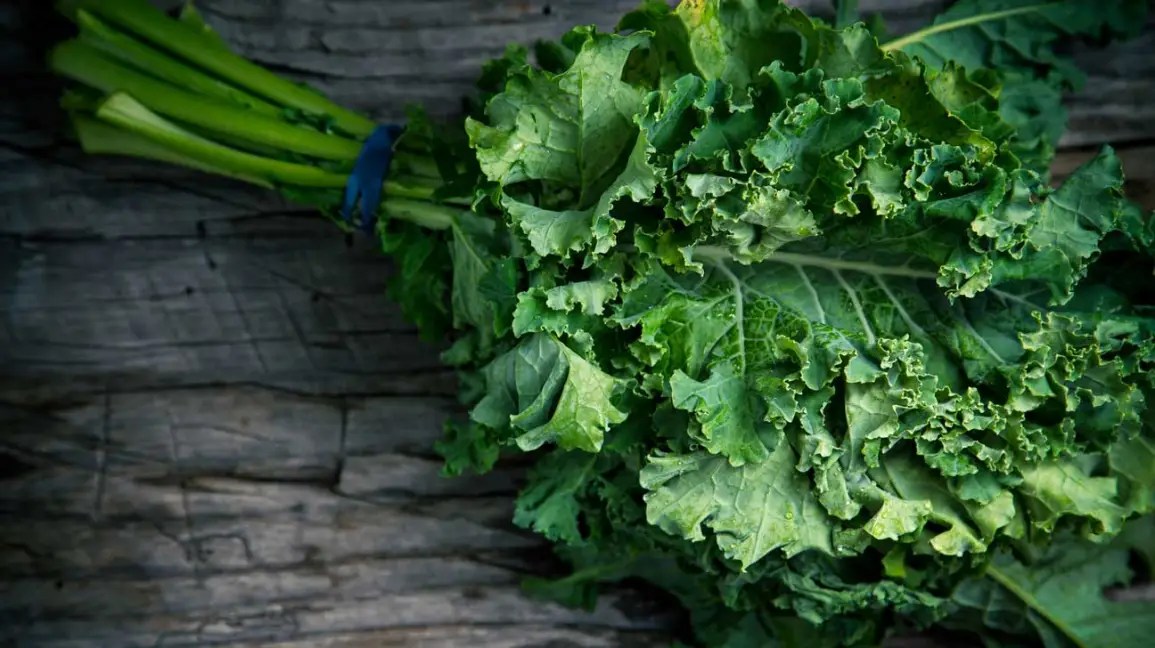
Kale belongs to the same vegetable family as broccoli, cauliflower, and other cruciferous veggies. Research suggests that consuming higher amounts of these veggies may help prevent atherosclerosis, —hardening of the arteries due to plaque buildup — which raises your risk of heart attacks and strokes.
Broccoli
This cruciferous veggie is loaded with cancer-fighting compounds. In particular, the sulforaphane in broccoli has been shown to help prevent prostate, breast, colon, skin, bladder and oral cancers.
Among its many other nutrients, broccoli is high in vitamin C, an antioxidant that plays a role in skin health, iron absorption and immune functioning.
Sweet potatoes
The orange color of sweet potatoes tells you they’re rich in beta-carotene, a nutrient with antioxidant and anti-inflammatory properties. Beta-carotene has been shown to protect against sun damage and other environmental skin stressors, so it could potentially lower your risk of skin cancer and keep your skin looking younger.
You’ll also get 4 grams of fiber and several other nutrients, including vitamin A and small amounts of magnesium, vitamin C, folate and calcium from a small sweet potato.
Carrots
In addition to supporting skin and eye health, carrots may help you manage your weight better than other veggies, according to a study that found lower rates of obesity among people with high carrot intake compared to those eating lots of spinach, broccoli, other green veggies and cabbage.
Researchers speculate that carrots’ high beta-carotene content, which has also been associated with lower levels of inflammatory markers and insulin resistance, may contribute to this benefit.
Tomatoes
While tomatoes are technically a fruit, we eat them as vegetables, so we included them on our list of healthiest vegetables. Here’s why: Loading up on tomatoes, which are rich in the substance lycopene, may protect against cancer and reduce the risk of dying from heart disease.
Red Bell Peppers
Red bell peppers have the highest amount of vitamin C of all the peppers — more than 1 ½ times the daily value for this nutrient. One study found that vitamin C deficiency was associated with higher rates of depression and cognitive impairment. Another study revealed that those with adequate vitamin C status performed better on numerous cognitive tasks, including those involved in focus, working memory and decision speed.
Vitamin C also supports skin health and immune functioning and is protective against cancer, heart disease and other conditions via its role in fighting free radicals.
Beets
What makes beets unique is the amount of nitrates they contain. This compound helps widen blood vessels, allowing blood to flow better, improving blood pressure and lowering the risk of heart disease. Plus, when blood flows better, you get better oxygenation to the brain, so the compounds in beets support brain health and cognitive function as you age.
On top of that, nitrates have been shown to lower the amount of oxygen consumed during exercise, so you may be able to exercise longer without the expected level of fatigue.
Cauliflower
Besides being an easy stand-in for rice, potatoes and pizza crust, cauliflower boasts numerous potential health perks.
Cruciferous veggies, such as cauliflower, have been associated with a lower risk of cancer and a lower chance of dying early from any cause. Plus, the sulforaphane in cauliflower has been shown to slow the ageing process, protect your brain against diseases, and potentially preserve cognitive abilities among people with certain disorders.
Brussels sprouts
Like their cruciferous cousins, Brussels sprouts are loaded with anti-cancer compounds, including vitamin C, fiber, carotenoids, and sulforaphane. Cruciferous veggies, including Brussels sprouts, may protect against heart attacks and strokes. Compared to older women who ate few of these veggies, those who consumed higher amounts had less calcium build up in their arteries, a marker predictive of heart disease outcomes.
Watercress
Research from the Centers for Disease control and Prevention ranked watercress as the most nutrient-dense vegetable. The leafy green vegetable is part of the same family as kale, Brussels sprouts, and cabbage. Watercress contains plenty of vitamin K, vitamin C, vitamin A and calcium, despite being low in calories. It also is high in antioxidants, which can reduce risk of disease long term, especially for heart and bone conditions.
Best vegetables to eat daily
Veggies are indisputably healthy, with vitamins, minerals, fiber, antioxidants, anti-inflammatory compounds, and other protective substances. However, since they differ in the amount of these beneficial nutrients they supply, it’s a good idea to vary your intake.
The USDA groups vegetables into different categories, including dark green, red and orange and starchy vegetables. Including all of these categories will maximize your nutrient intake and optimize your health. That said, the MIND diet, a well-studied eating pattern linked to improvements in cognitive abilities, suggests eating leafy greens six or more times each week.
Best vegetables for weight loss
Most vegetables contain fiber and water (along with other nutrients), which promote fullness and may assist with weight loss. They’re also low in calories and can help replace other higher-calorie, less filling foods, including snack foods and refined grains you may be eating. If this puts you in a calorie deficit, it can help you lose weight.
While research supports the link between non-starchy veggies and weight loss, there’s been mixed evidence around starchy vegetables. That said, a study investigating the role of potatoes on weight found no difference in weight loss among people following various diet styles who were consuming five to seven servings of potatoes each week. All groups lost weight.
However, portion size is relevant when it comes to starchy vegetables. A healthy, balanced eating plan consists of a half-plate of non-starchy veggies, with the rest of the plate divided between protein and carbohydrate sources. Starchy veggies are grouped with the carbohydrate sources, so they should take up a quarter of your plate.
Are some vegetables unhealthy?
All veggies have health-supporting nutrients and they all deserve a place on your plate. While some may have more significant amounts of these compounds than others, even those historically considered less healthy contain impressive amounts of certain nutrients.
For example, a cup of iceberg lettuce contains small amounts of potassium, folate, and higher levels of vitamin A, carotenoids, and vitamin K, a nutrient involved in bone metabolism. Cucumbers contain lots of vitamin K as well as antioxidant, anti-inflammatory, and antimicrobial substances, and evidence suggests they may promote heart health.
While we’ve listed some of the healthiest vegetables here, you can —and should — eat outside of this list. There are plenty of vegetables to choose from! So remember to always “eat your vegetables”.





 The Hare Krishna Movement